Have Query ? Reach Out Us!



Have Query ? Reach Out Us!
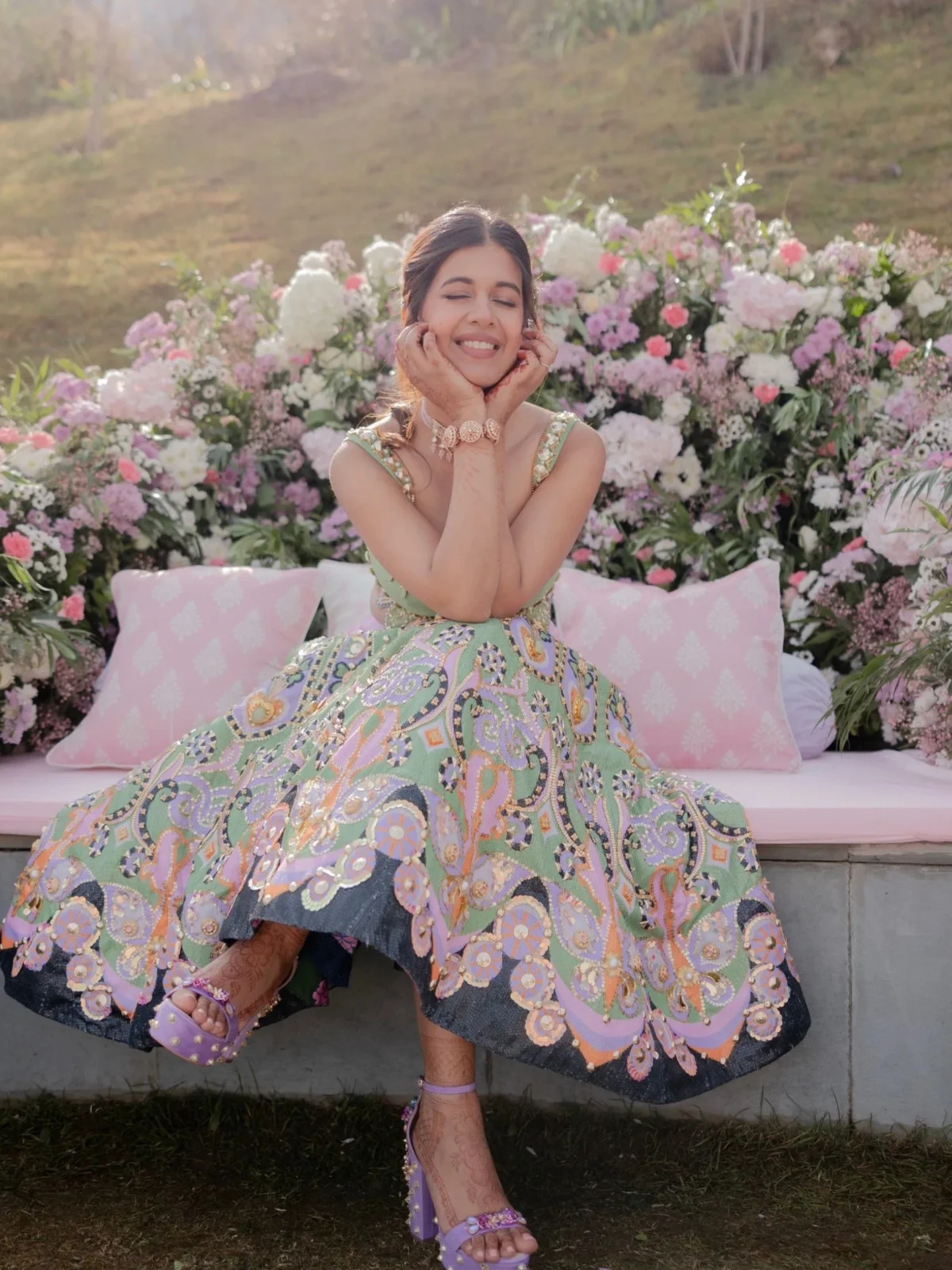
Latest Haldi Ceremony Aesthetic Trends for 2026 Indian Weddings
Latest Haldi Ceremony Aesthetic Trends for 2026 Indian Weddings
12 Feb , 2026
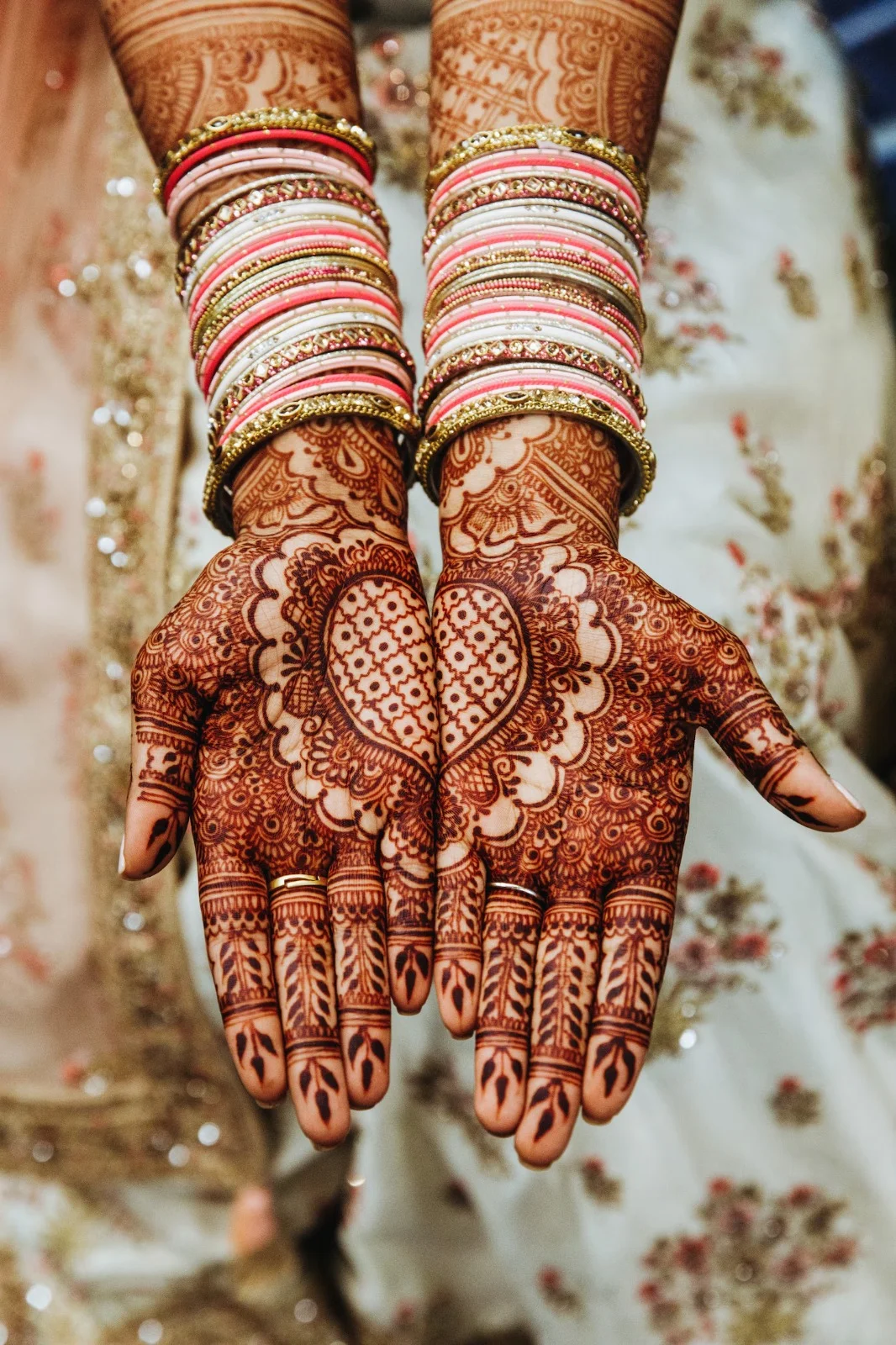
Henna, another name for mehndi, is more than just a decorative craft. It is an age-old custom with its roots in weddings, festivals, and other cultural events throughout South Asia, the Middle East, and beyond. Mehndi designs continue to develop while maintaining their artistic integrity, ranging from elaborate wedding patterns to simple everyday styles.
Designer and simple mehndi designs are currently among the most popular categories. While basic designs prioritise minimalism, elegance, and speedy application, Designer styles are renowned for their powerful strokes, floral trails, and creative spacing.
This thorough book covers more than 100 mehndi design concepts, their traits, styling suggestions, and how to pick the ideal pattern for various occasions.
Because of its flowing patterns and beautiful harmony between free space and intricacy, Designer mehndi designs have become increasingly popular worldwide. Designer bridal mehndi designs emphasize striking patterns applied diagonally or in trails across the hands and feet, in contrast to the conventional dense Indian style.
Important Features
These patterns are perfect for modern wedding looks, festivals, and engagements.
The inspirations listed below are grouped and add to a library of more than 100 possibilities:
People who like elegance without complexity are drawn to simple mehndi patterns. These patterns are suitable for informal or impromptu settings, are simple to apply, and dry more quickly. Additionally, they are ideal for novices learning henna painting.
Choosing the right mehndi style depends on purpose, occasion, and personal taste.
| Factor | Designer Designs | Simple Designs |
| Complexity | Moderate to high | Low |
| Time Required | Medium | Short |
| Best For | Weddings, parties | Casual events |
| Skill | Intermediate | Beginner |
Designer designs create a dramatic impact, while simple designs prioritise elegance and convenience.
Intricate Designer designs or mixed Indo-Designer patterns that add visual depth without being overbearing are frequently chosen by brides and guests.
Both Designer trails and straightforward symbolic designs are encouraged by holidays like Eid, Diwali, and Karva Chauth.
Simple mehndi designs are beautiful without being overly intricate.
Simple designs for the fingers or wrists preserve elegance without coming across as overdone.
As mehndi art has developed, new trends have emerged:
Digital channels and social media have accelerated design experimentation, enabling artists to push the envelope while maintaining cultural authenticity.
Henna, commonly referred to as mehndi, is a traditional decoration deeply intertwined with cultural events across South Asia and the Middle East, particularly weddings and festivals. It encompasses diverse designs, evolving from intricate wedding motifs to simpler patterns for everyday use. Among the favored styles, Designer mehndi designs stand out for their bold strokes and intricate floral patterns, often prioritizing open spaces and diagonal layouts, distinguishing them from the denser Indian styles.
This overview presents over 100 mehndi design ideas, highlighting the unique characteristics and styling tips. Key features of Designer mehndi include large floral designs, paisleys, and shaded techniques, which collectively contribute to its popularity at weddings, festivals, and engagements. Some notable Designer designs feature floral trails and paisley motifs, while shaded Designer styles incorporate gradients and bold outlines.
Conversely, simple mehndi designs appeal to those seeking elegance with minimal complexity, suitable for casual settings and easy application, making them ideal for novices. Examples include small mandalas, lotus patterns, and wrist chain designs, underscoring their effectiveness for everyday use.
When choosing between Designer and simple mehndi styles, considerations include the event type and personal aesthetics. Designer designs cater to more formal occasions like weddings, while simpler designs are favored for informal gatherings or work environments.
Best practices for applying mehndi involve skin preparation, proper paste drying, and post-application care to achieve optimal stain results. Contemporary trends are also evolving, combining geometric shapes with traditional Designer elements, including personalized patterns that reflect modern sensibilities while honoring cultural traditions.
Recent Post
Any Query? Reach Us
Follow our latest stories.

 (1).webp "https://dbandspaces.com/storage/blogs/1792063061-compressed_DB Spaces Blog Cover (Sept) (1).webp")