Have Query ? Reach Out Us!

Have Query ? Reach Out Us!
The Art of Wedding Designing: Turning Ideas into Experiences
The Art of Wedding Designing: Turning Ideas into Experiences
10 May , 2026
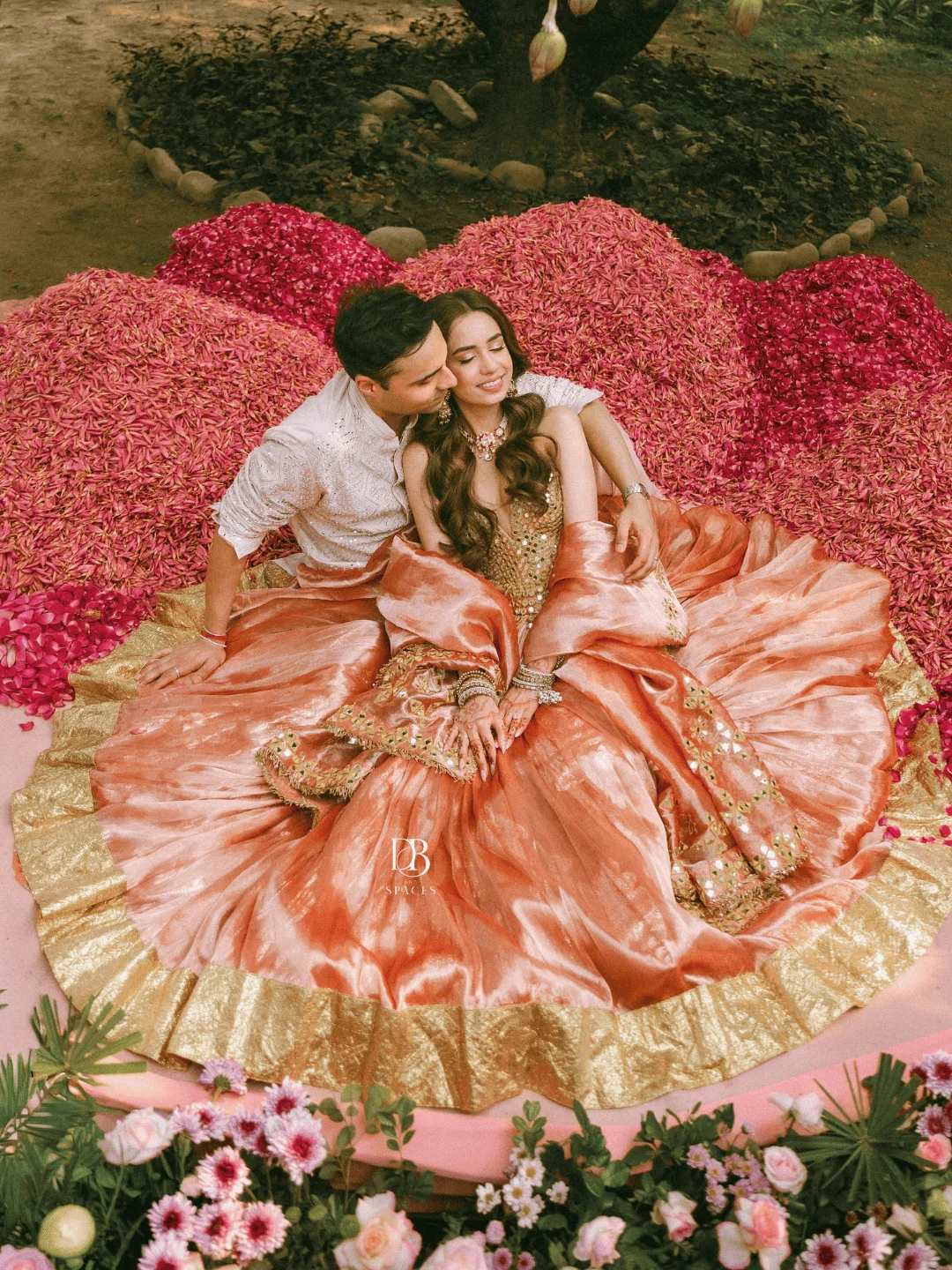
These days, a wedding is more than just an occasion. It is an emotion, a recollection, a visual narrative, and—above all—an experience. These days, modern couples want their wedding to reflect who they are, what they love, and how they want their guests to feel. They are no longer just looking for gorgeous decor.
Hanging lights throughout a venue and arranging flowers on tables are not the essence of wedding design. It's about creating an emotional journey from a blank slate. Every element of the venue—every fabric, every floral arrangement, every light, every sound, and every corner—contributes to a greater narrative. The objective is to create moments that people will remember for years, not only to wow visitors for a few hours.
Luxury weddings nowadays are increasingly immersive, purposeful, and experience-driven. Instead of just adhering to conventional templates, couples are placing a strong emphasis on visitor comfort, emotional narrative, and individuality. According to recent assessments on wedding trends, "immersive environments" and "story-led experiences" have replaced generic decorations as the focal points of contemporary wedding design.
Understanding emotions and transforming them into tangible experiences is the art of wedding design. Designing a wedding involves more than just decor. The idea that wedding decorating and design are synonymous is one of the most common fallacies. They're not. The goal of decoration is to make a space look good. The main goal of wedding design is to create a mood.
A designer considers:
A wedding with exquisite design doesn't feel haphazard. Everything seems interconnected.
Every element adds to the overall experience, from the welcome board to the stage layout, from the music during entry moments to the aroma in the air. Instead of following Pinterest trends, modern couples want their weddings to be unique. According to industry estimates, there is a growing trend toward genuine festivities where decor serves as a storytelling tool rather than the main draw. The entire wedding business is evolving as a result of this change.
A skilled wedding designer must first comprehend emotions before planning a floral arrangement or constructing a stage.
What kind of setting is the couple looking for?
Emotional clarity is the first step in creating the best wedding designs.
For instance:
When visitors enter the space and immediately sense the couple's individuality, the design is successful.
For this reason, purposeful design is replacing excessive adornment in luxury weddings these days. This change, according to experts, is a step toward "curated compositions in which every component serves a purpose."
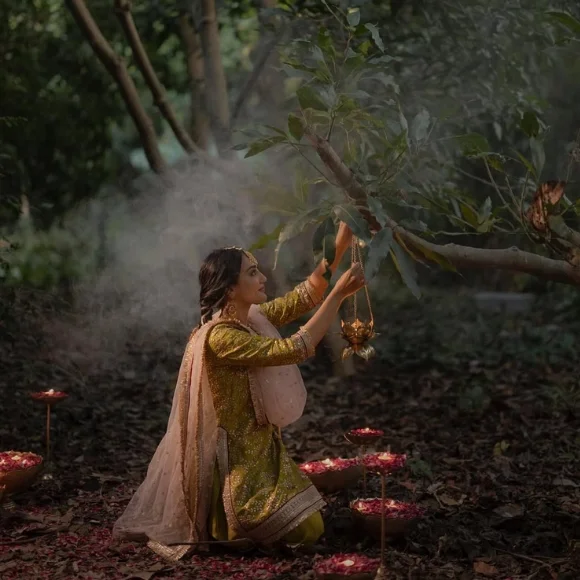
Weddings that tell stories are the most memorable.
In wedding design, storytelling can take many different forms:
Customised Colour Schemes
Colours evoke strong feelings.
Designers now develop colour palettes that reflect personalities and emotions rather than picking trending colours at random.
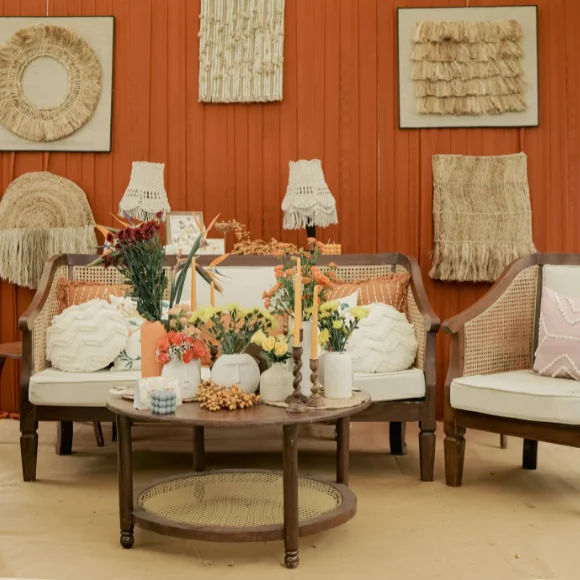
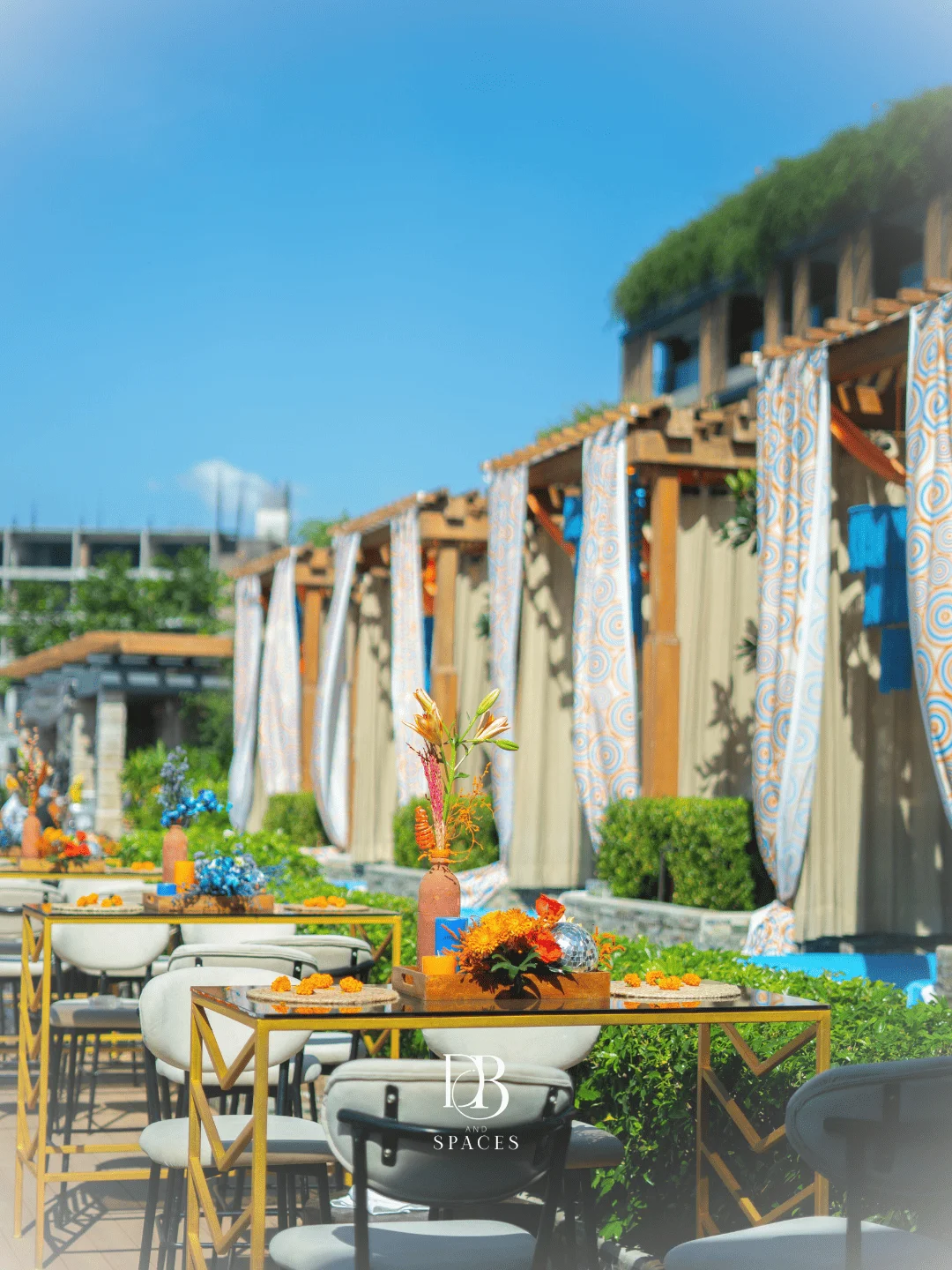
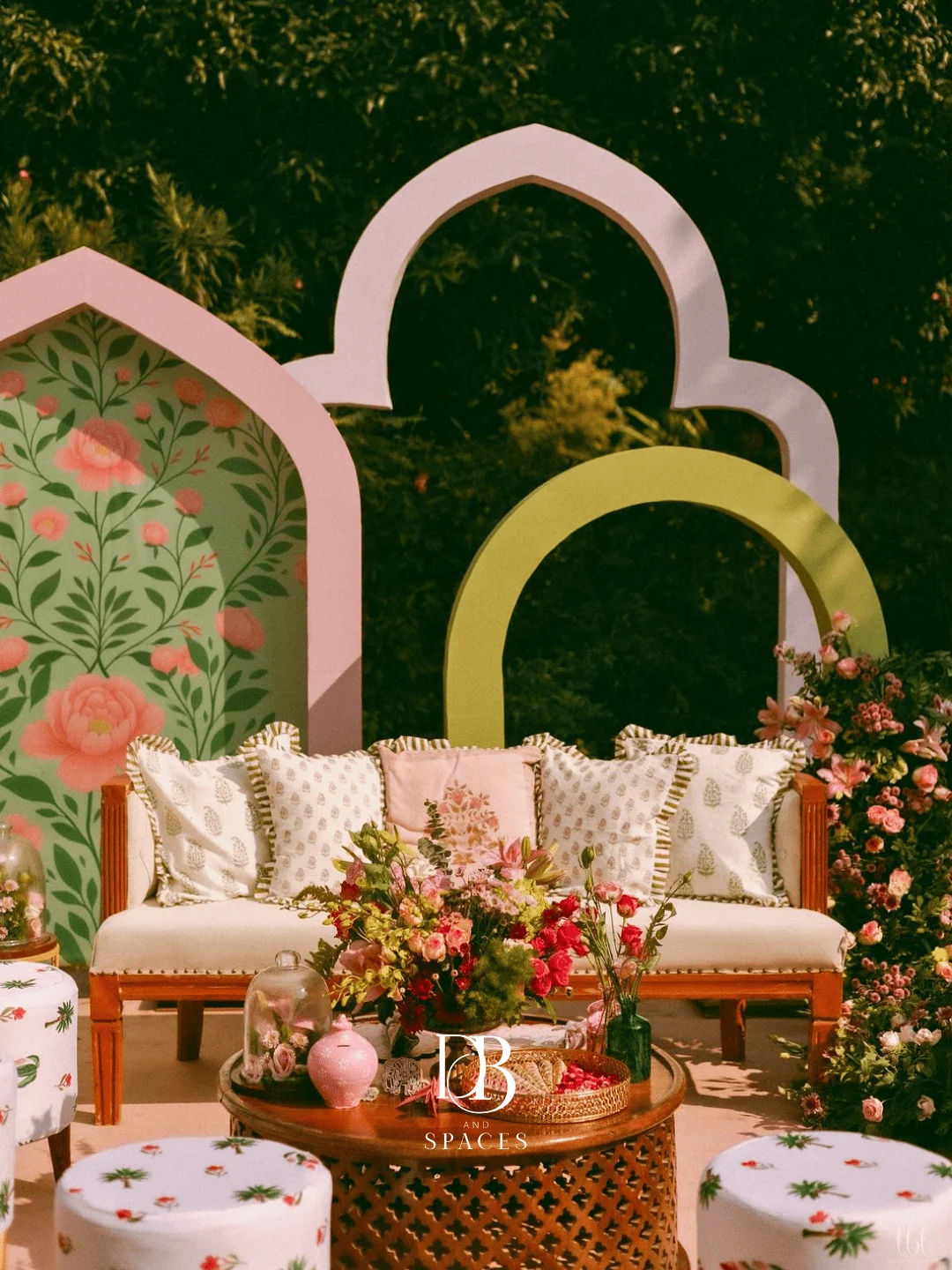
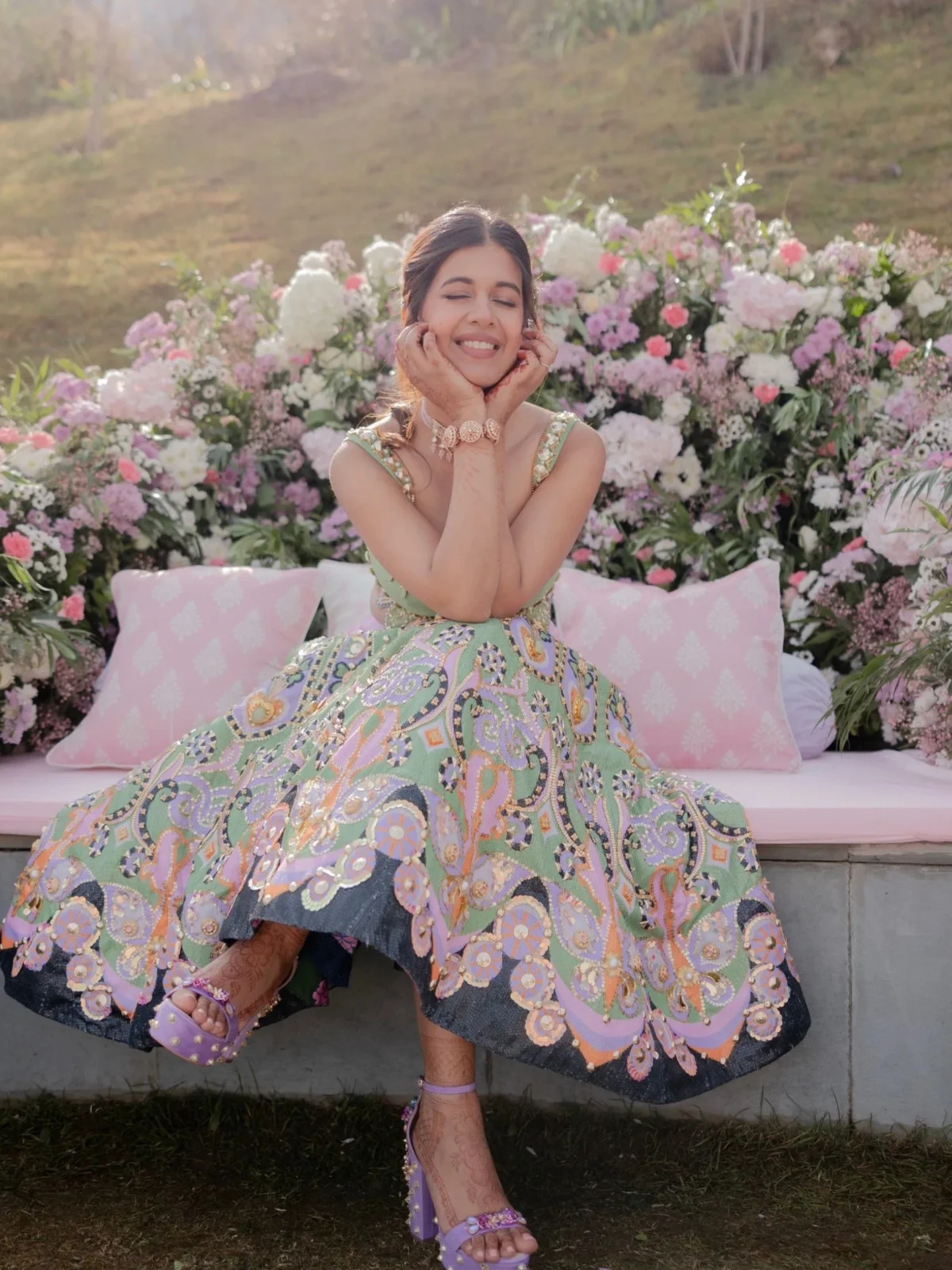
More sophisticated, layered colour schemes, such as sage green, champagne gold, subdued peach, ivory, and earthy neutrals, are replacing conventional red-and-gold pairings in many contemporary weddings.
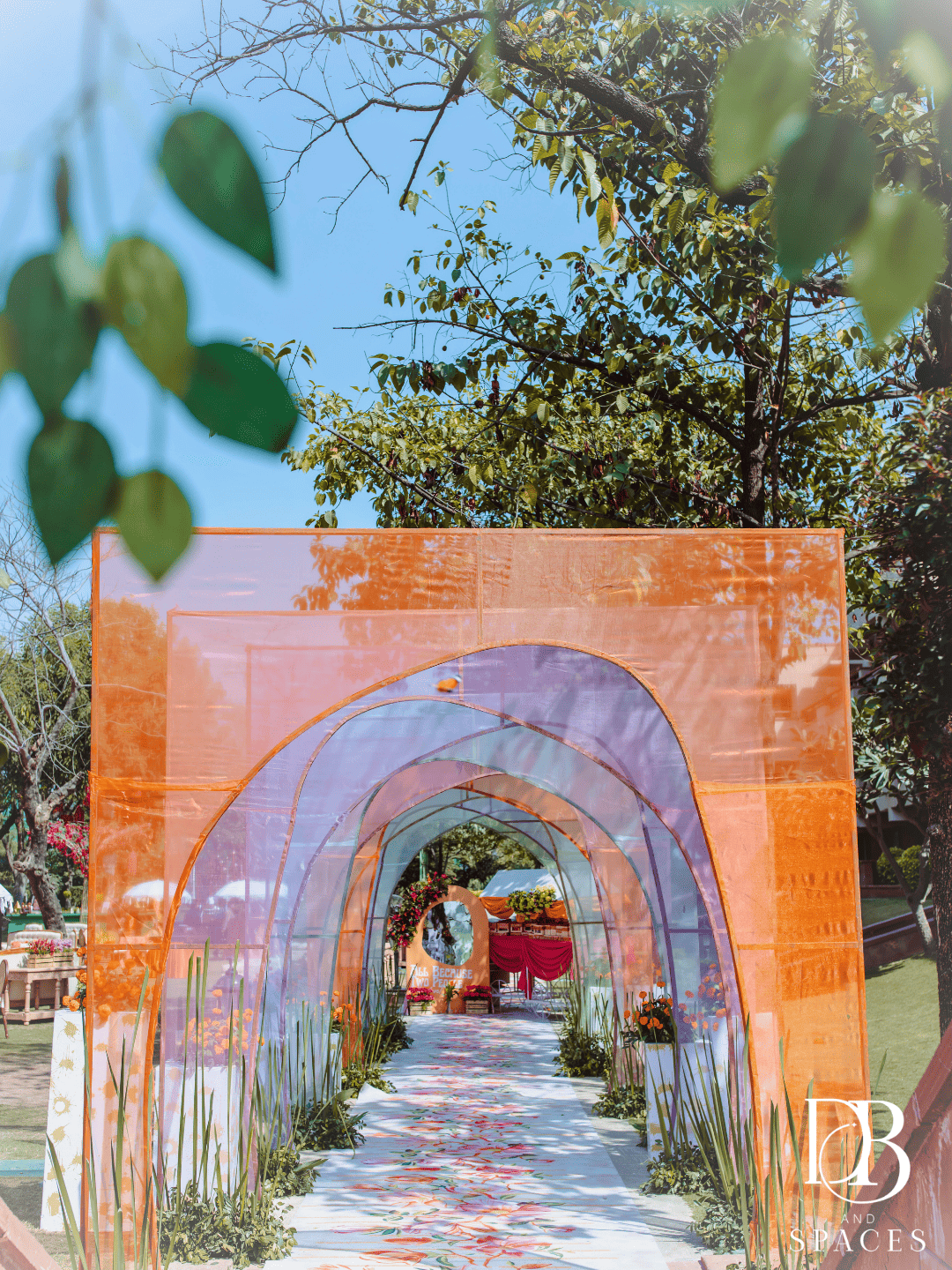
These days, wedding installations are more than just "photo points." They may develop into places of emotion.
Examples consist of:
Visitors witness more than just these installations.
They establish a connection with them.
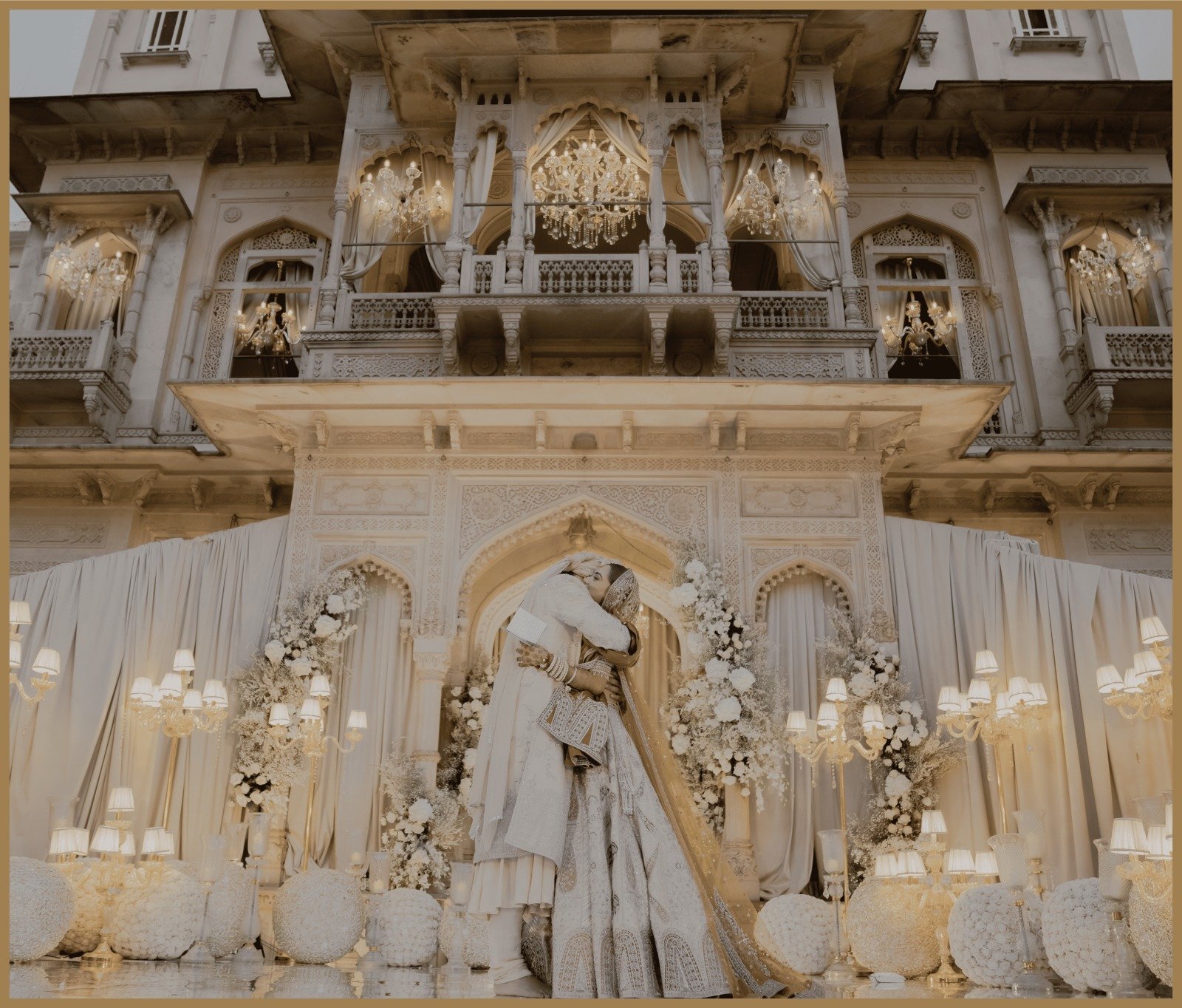
The location itself is incorporated into the narrative.
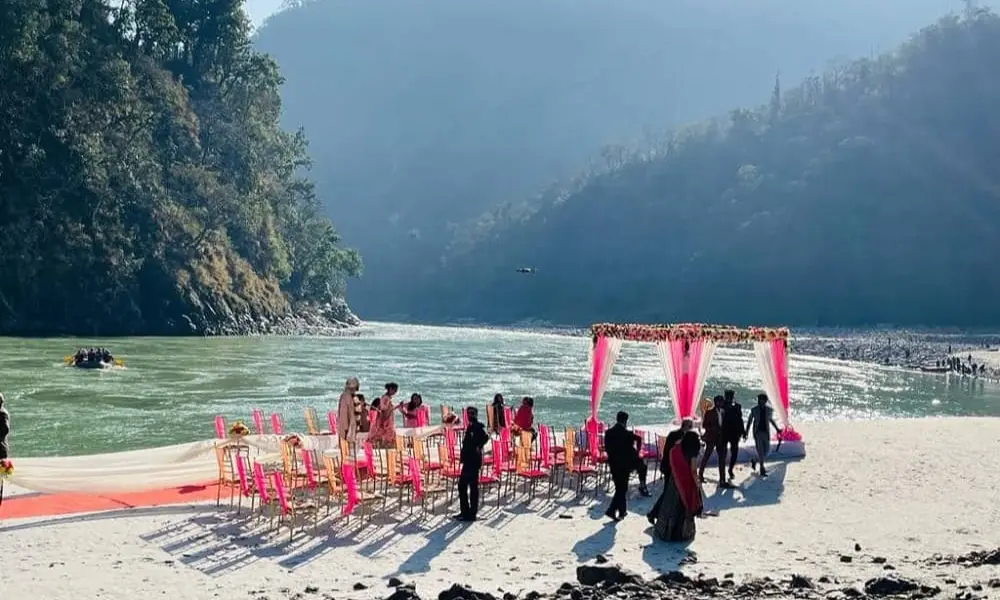
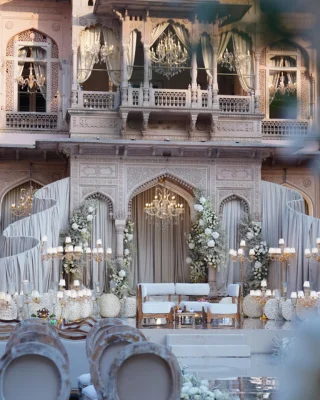
Instead of dominating locations with excessive decor, modern wedding design highlights their inherent beauty.
Experiential design is the way of the future for weddings. Nowadays, couples want visitors to feel fully included in the festivities from the moment they arrive. Reports on wedding trends often emphasise that, in recent years, weddings have placed a high premium on the guest experience. This implies that wedding designers now consider factors other than aesthetics.
They concentrate on:
A wedding shouldn't seem like a static occasion.
It needs to feel alive.
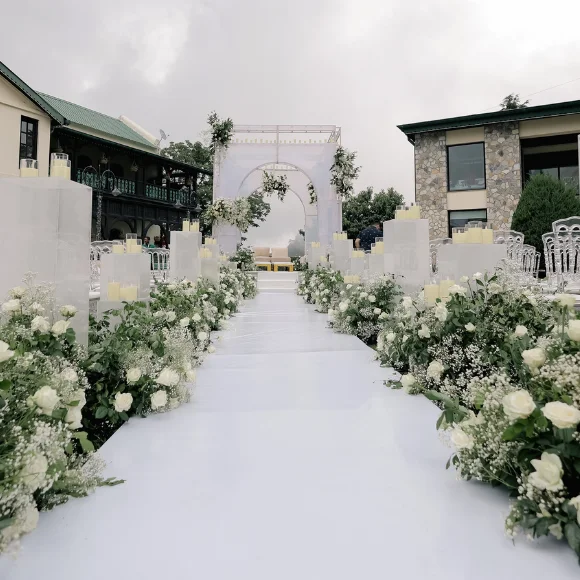
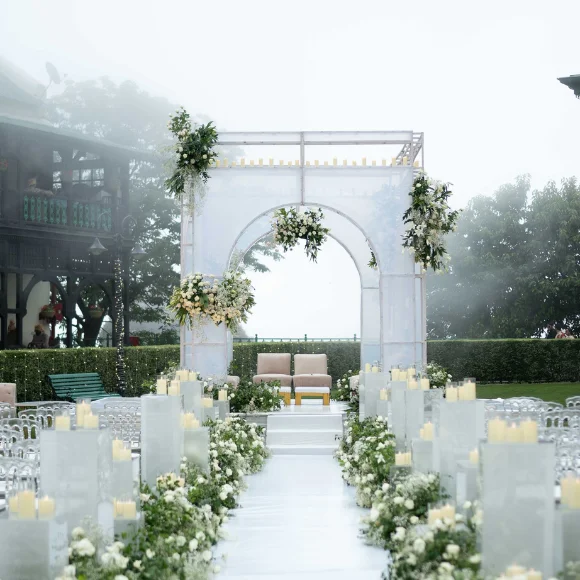
People aren't aware how important the entry experience is. Guests' emotional connection to the event is shaped in the initial few seconds.
A typical entrance states:
"This wedding is another one."
A well-thought-out entrance states:
"This is a unique experience."
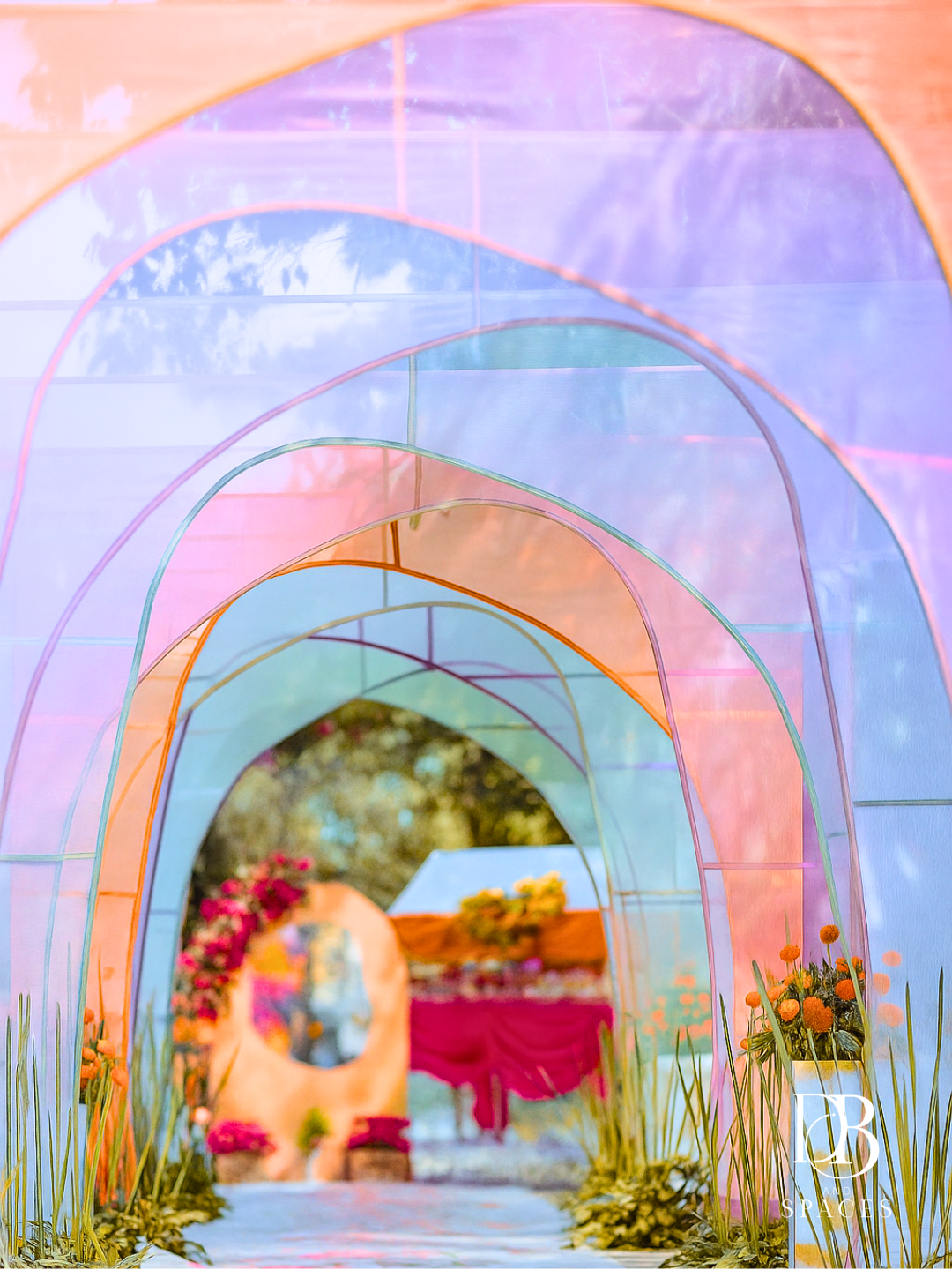
Concepts for contemporary entrances include:
Visual impact is not the only objective. Emotional absorption is the aim.
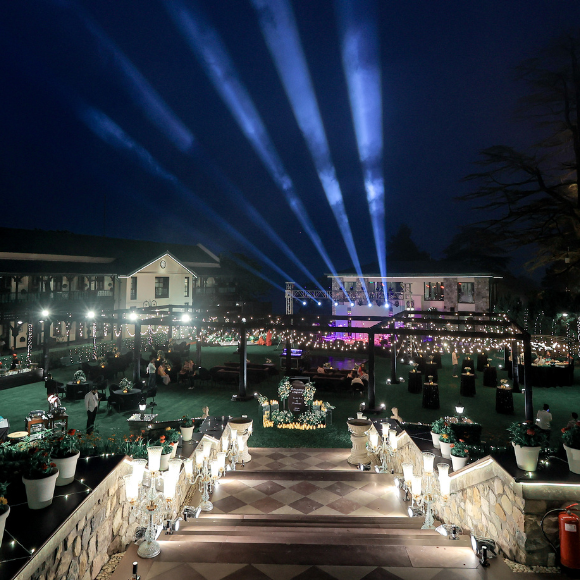
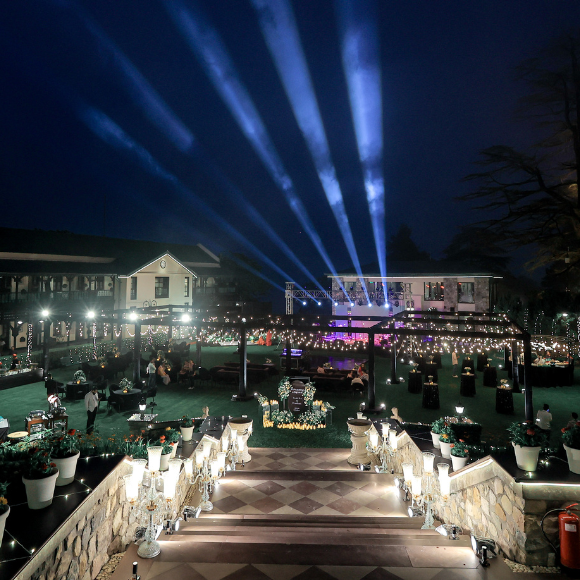
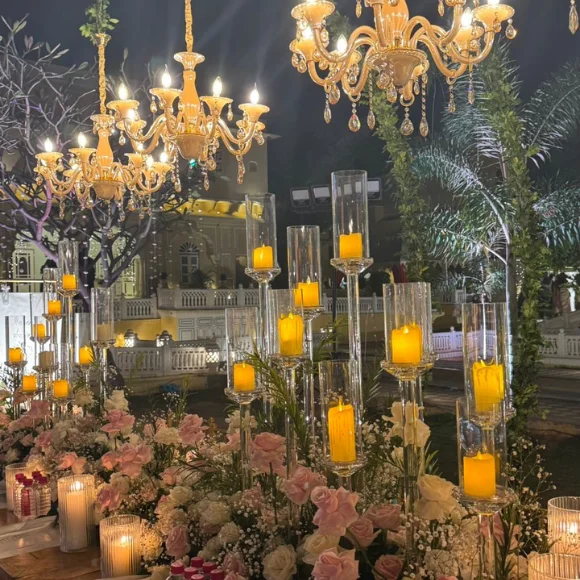
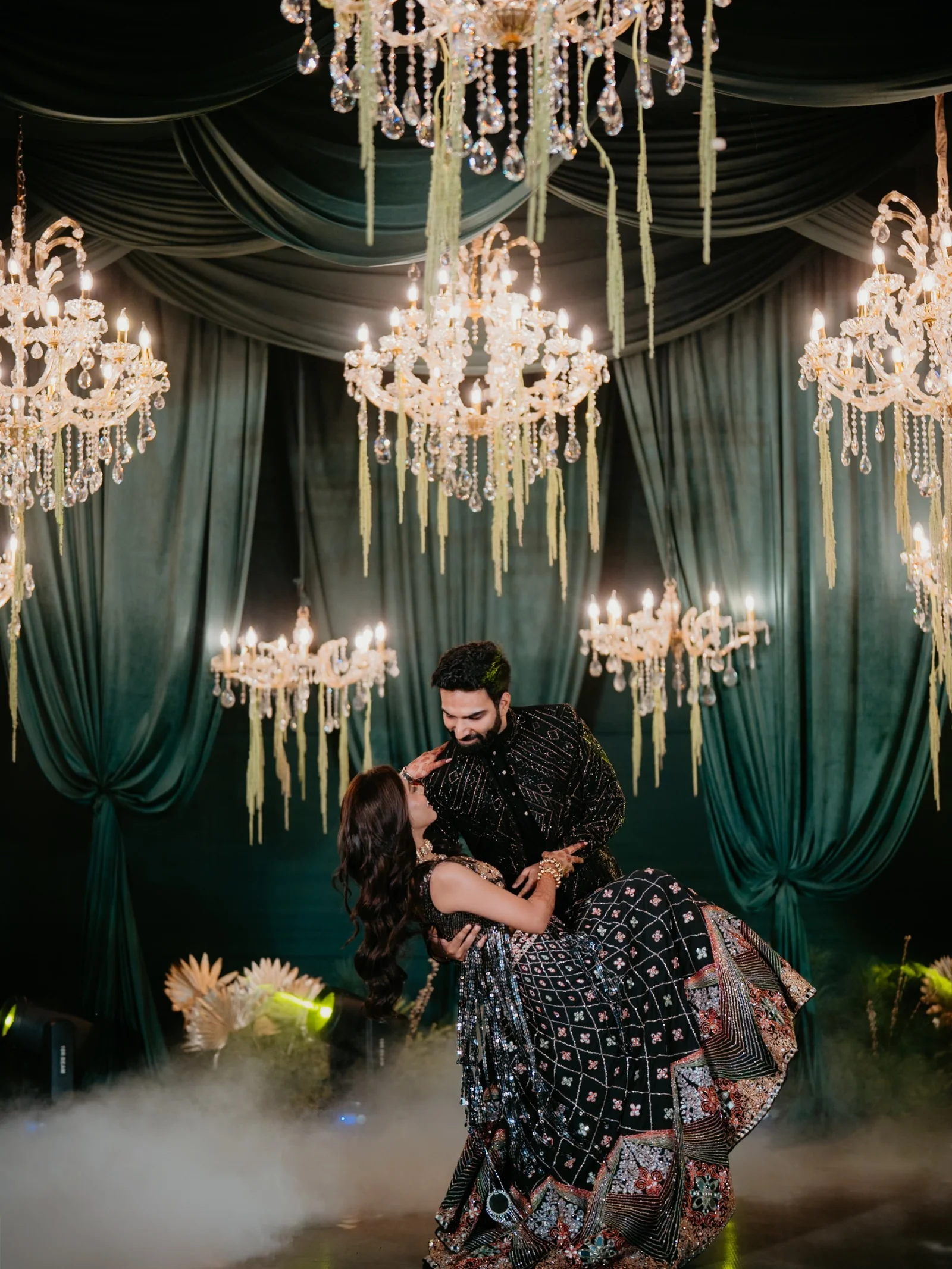
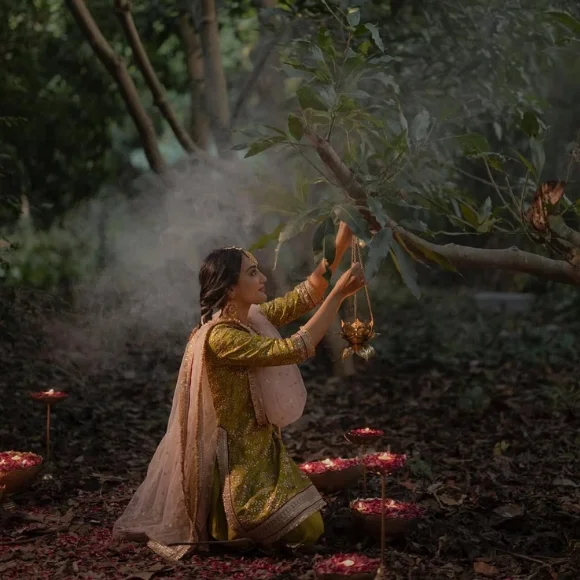
Lighting is often underestimated. In actuality, one of the most effective wedding design tools is lighting.
Mood is controlled by lighting.
Changes in lighting can make a wedding setting appear entirely different.
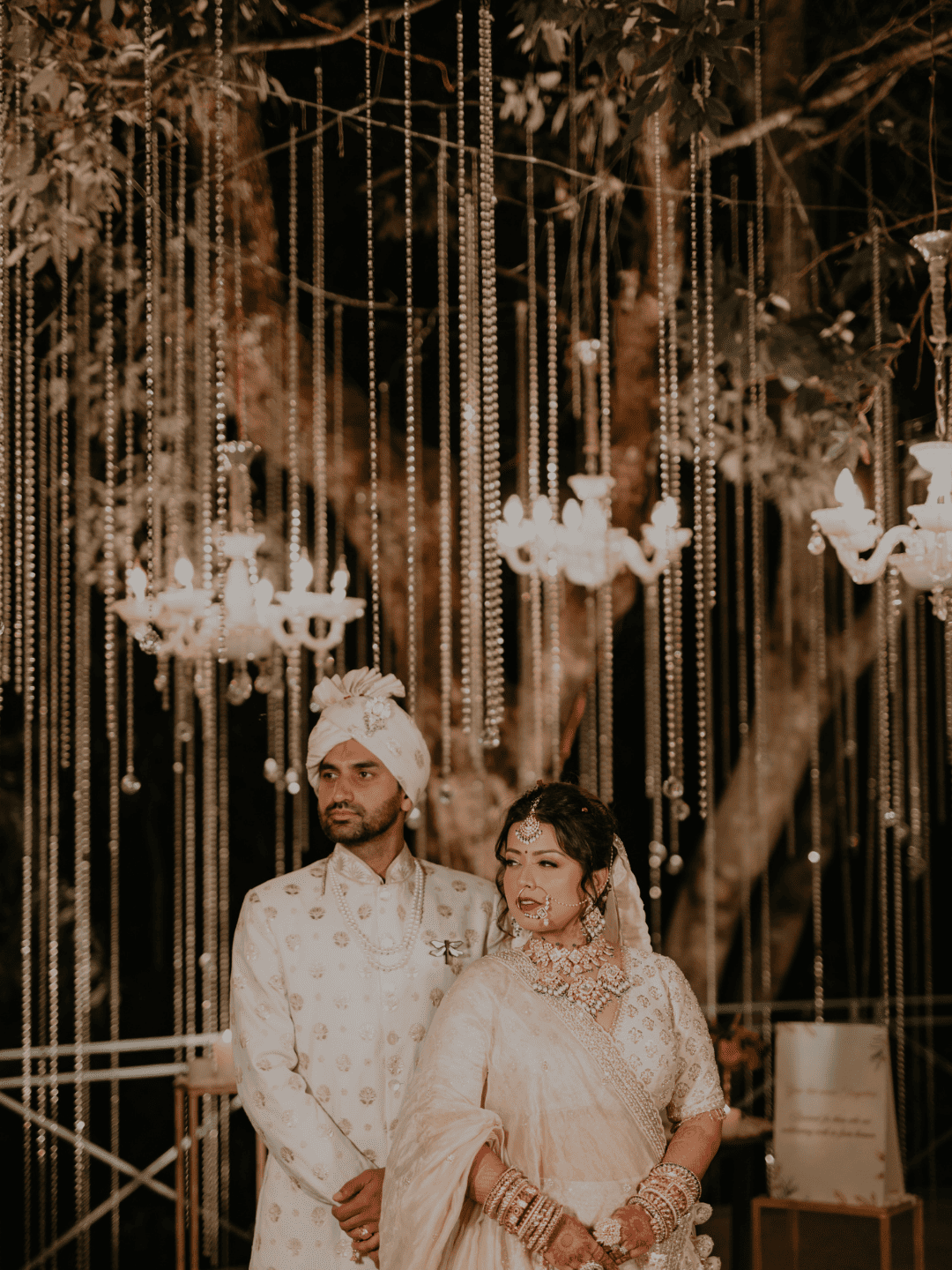
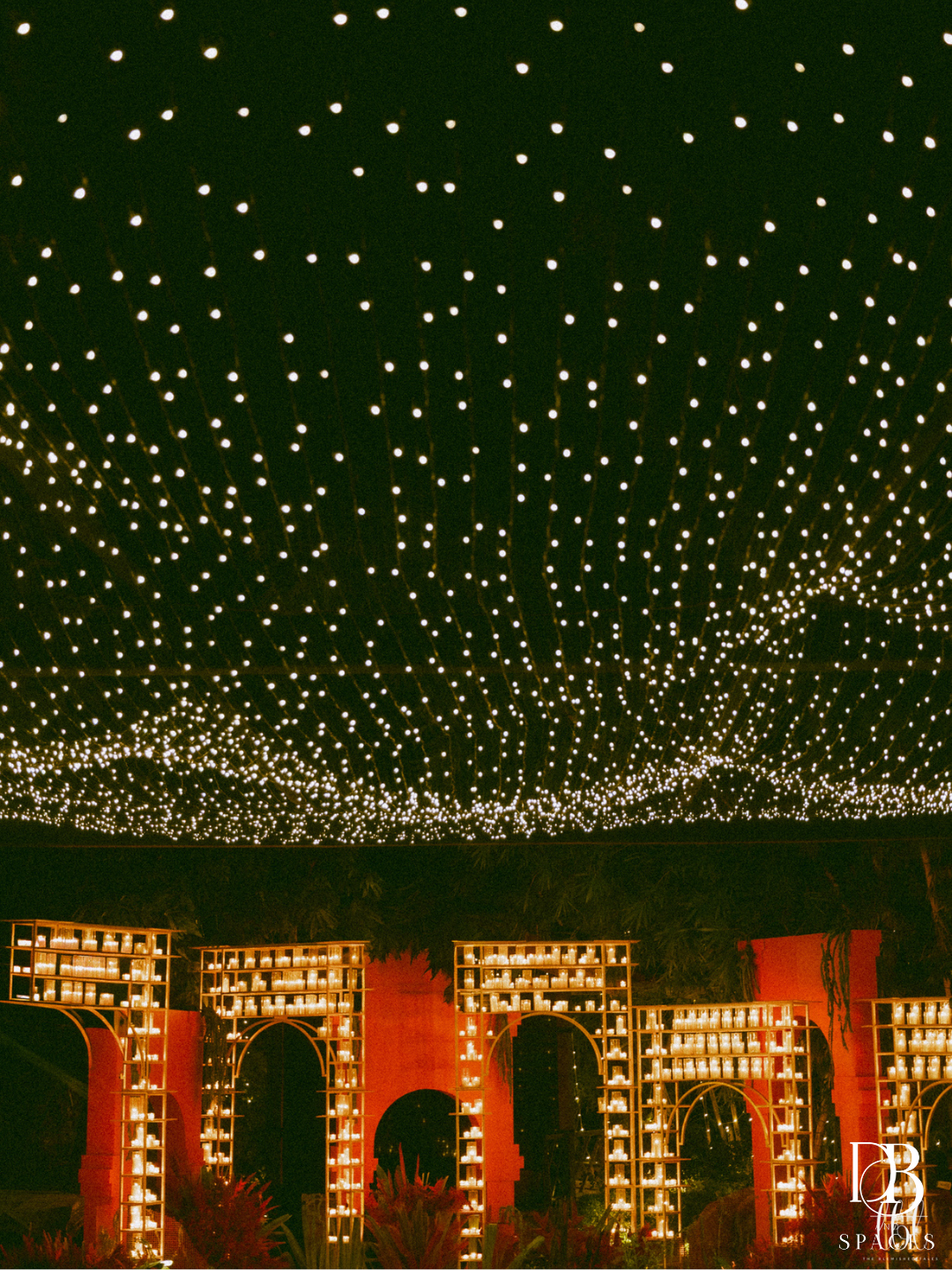
Instead of standard bright settings, mood-based lighting is becoming increasingly popular at modern weddings. Rather than being merely a mechanical need, experts characterise lighting as an emotive design aspect.Excellent designers know that lighting should change as the celebration progresses.
For instance:
The lights themselves enhance the narrative.
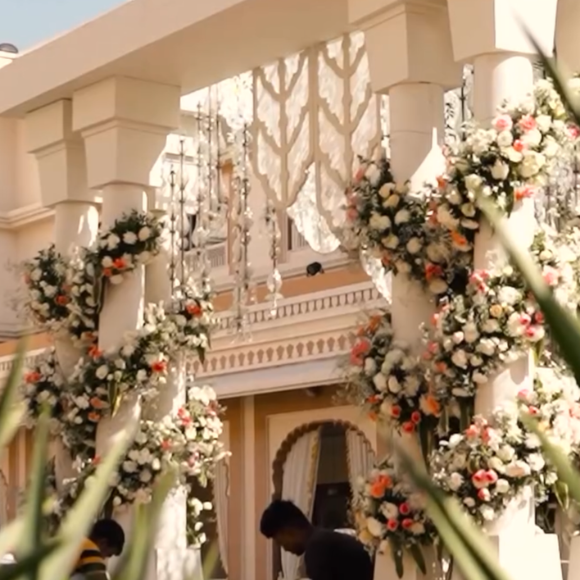
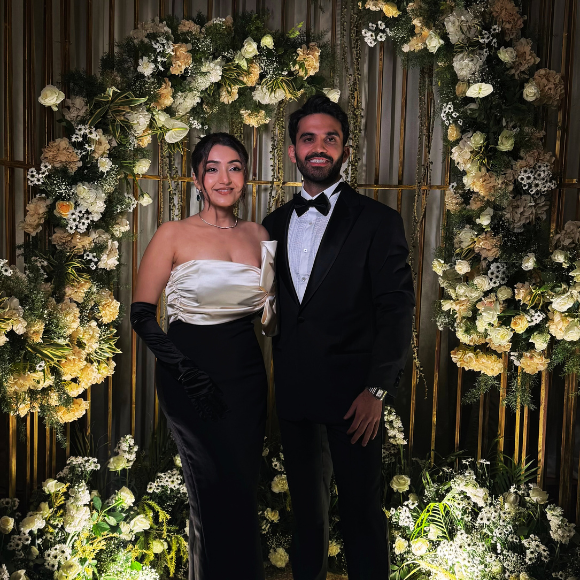
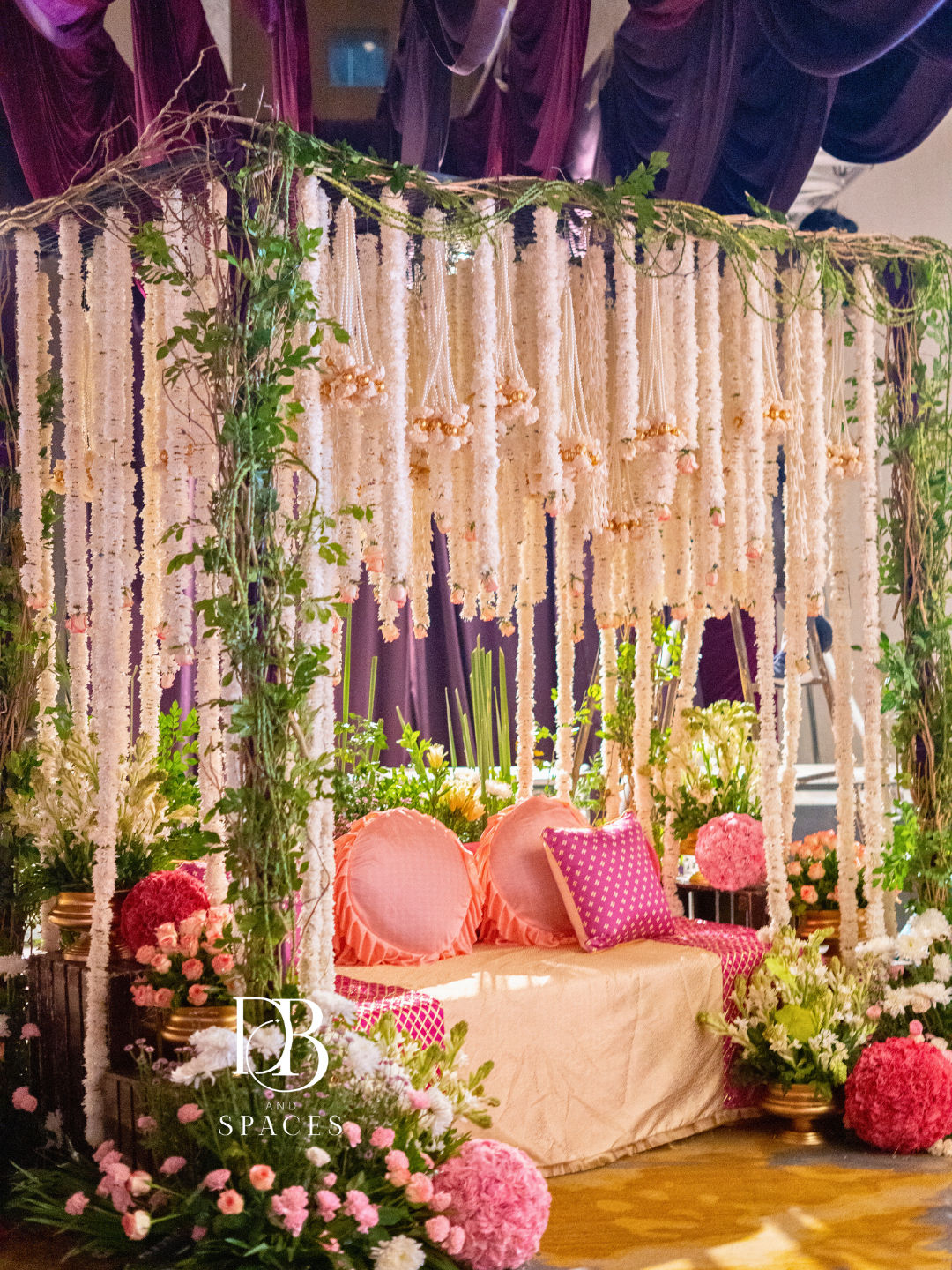
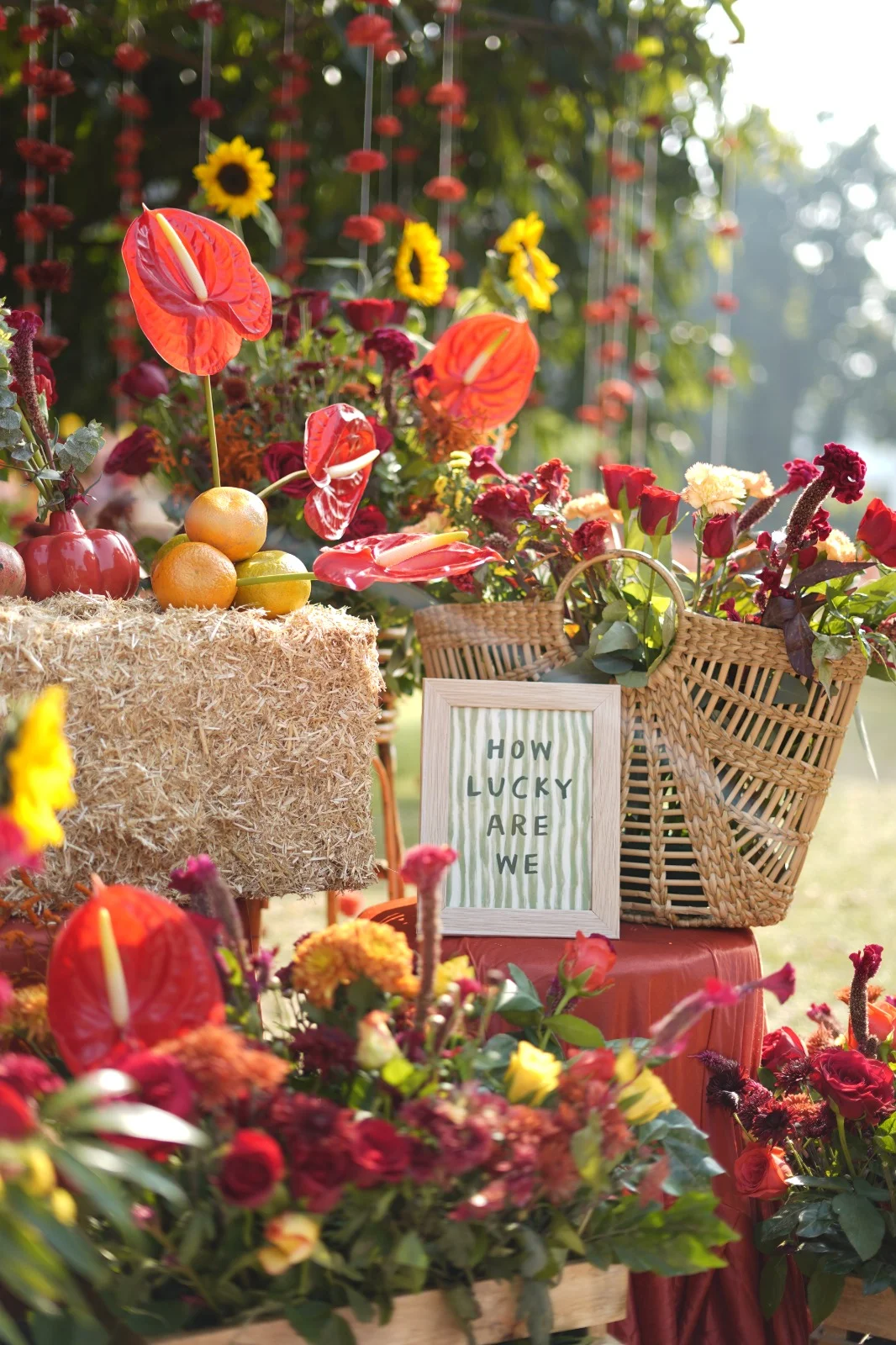
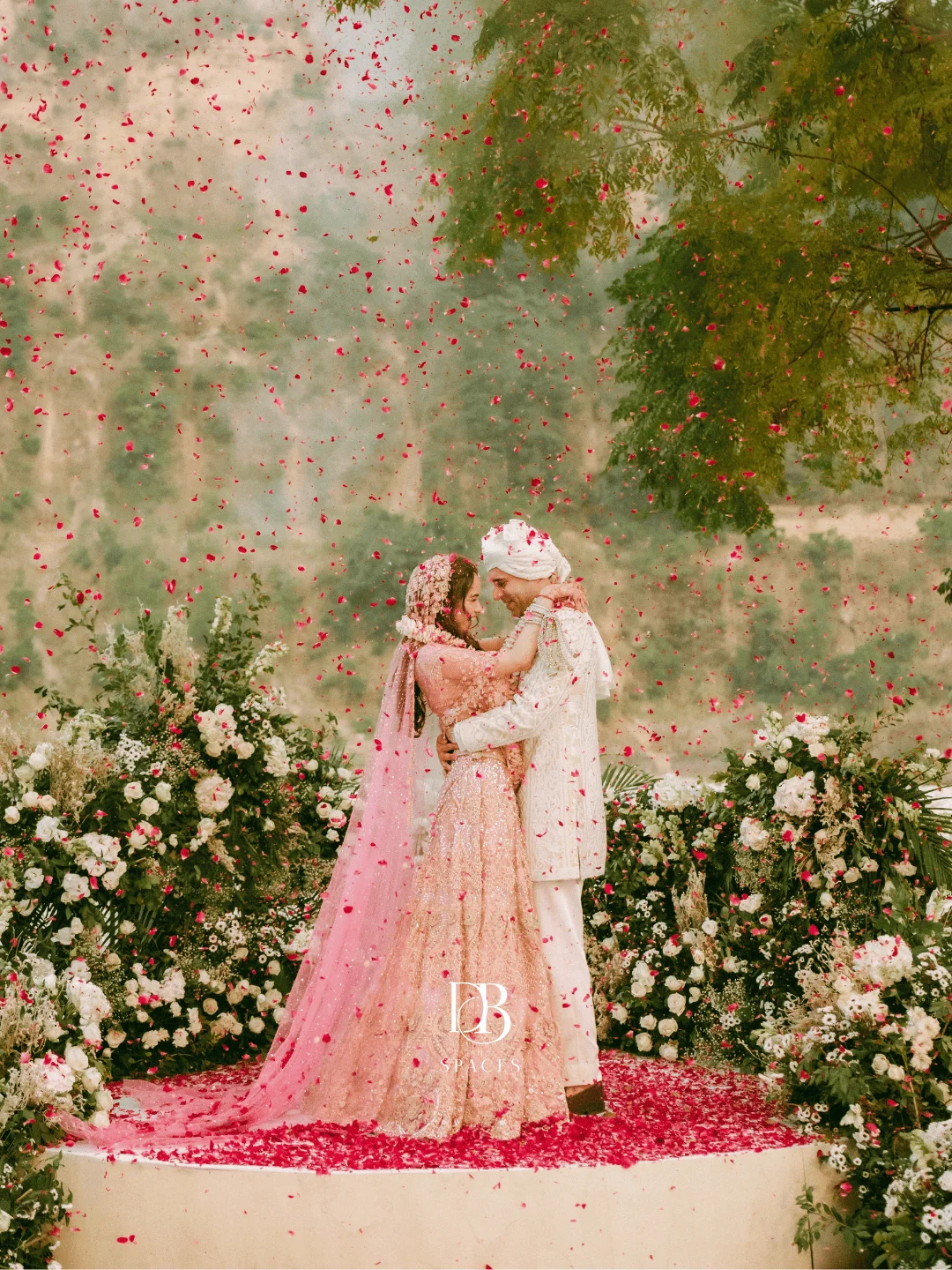
Weddings have traditionally included flowers. However, contemporary floral design is growing more imaginative and creative. Florals are now used purposefully by designers rather than haphazardly. Florals are becoming more carefully chosen, targeted, and emotionally linked to the entire design story, according to wedding trend reports.
The focus of today's floral design is:
Shape, texture, movement, layering, and emotional softness
Harmony, not congestion, is the aim.
Creating several functions that feel distinct yet are integrated is one of the most difficult tasks in wedding design.
Typically, a wedding consists of:
Every event requires its own energy.
However, every event ought to seem like a part of the same wedding narrative.
Careful design planning is necessary for this.
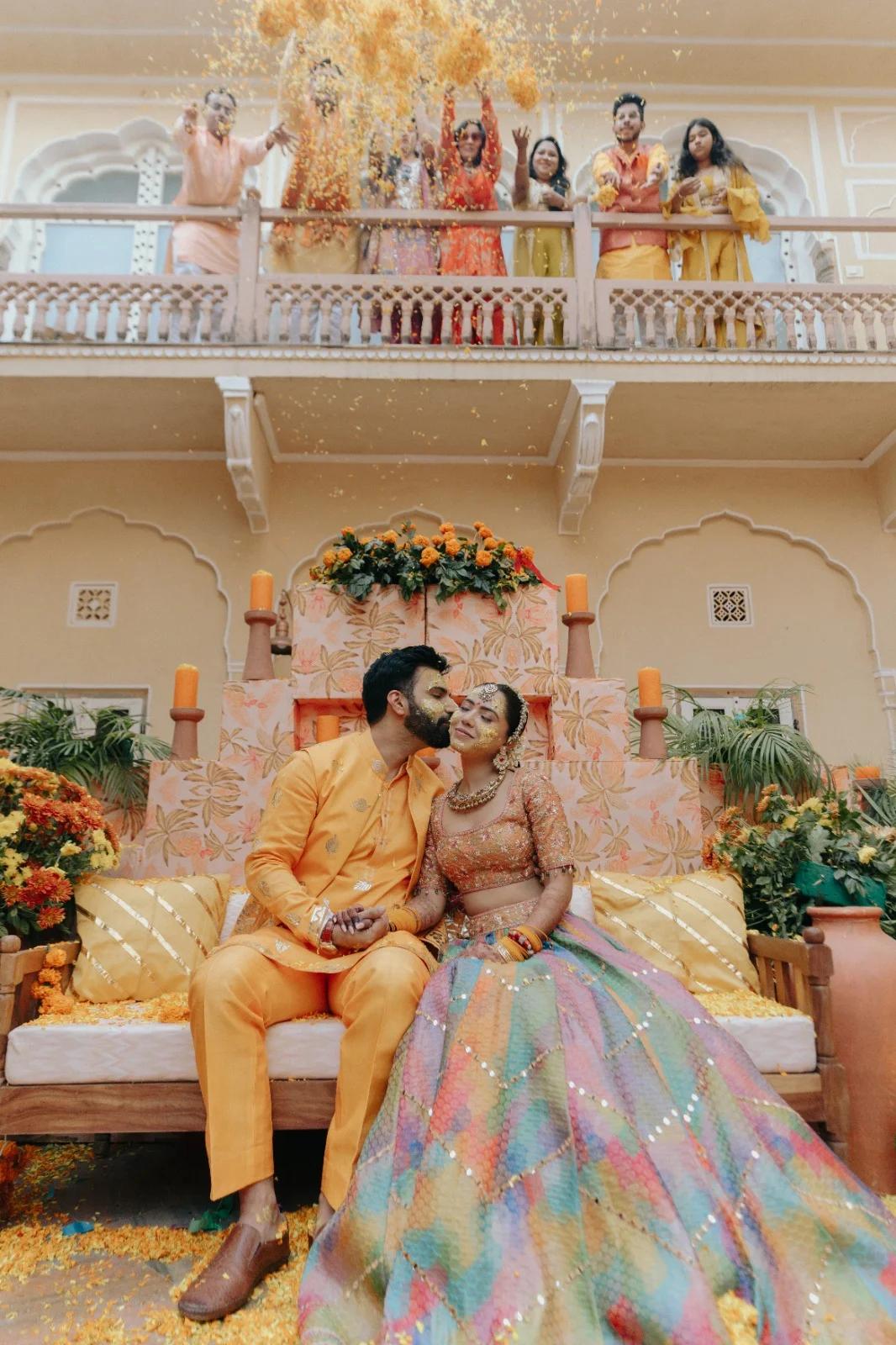
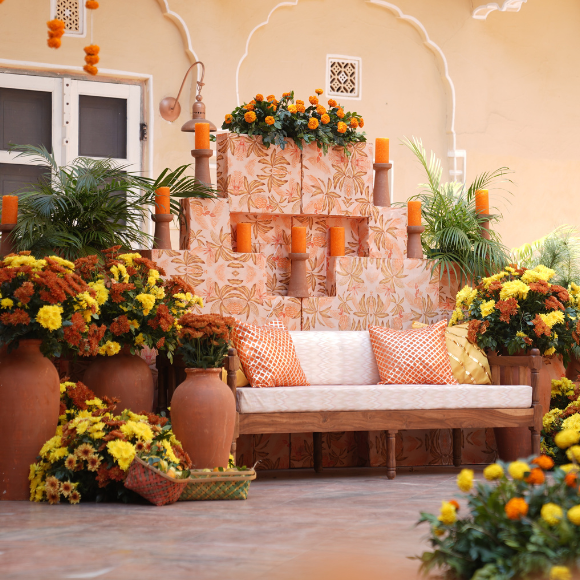
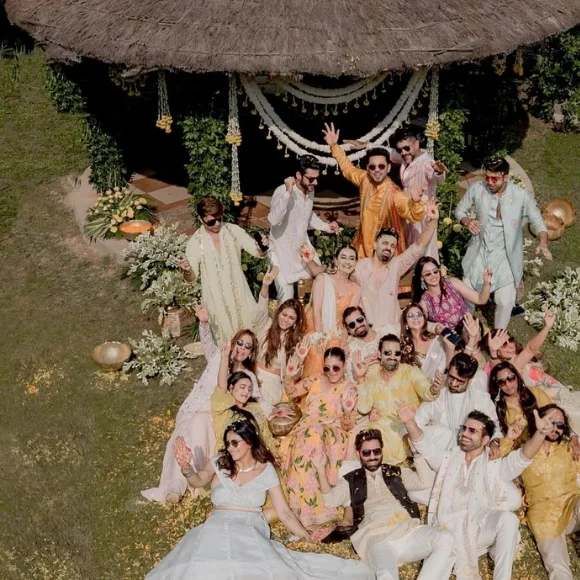
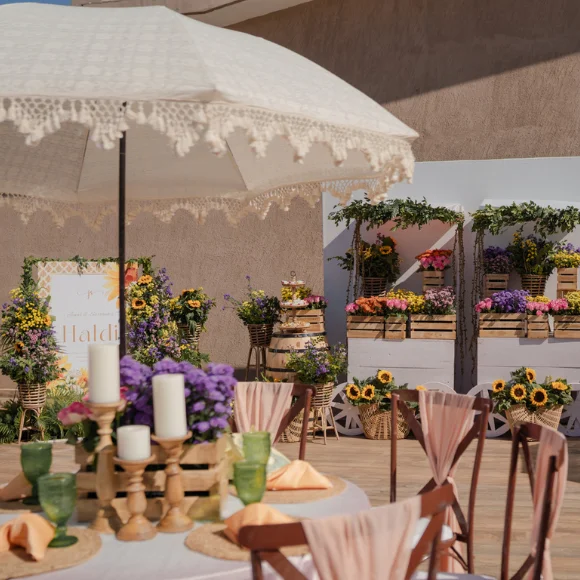
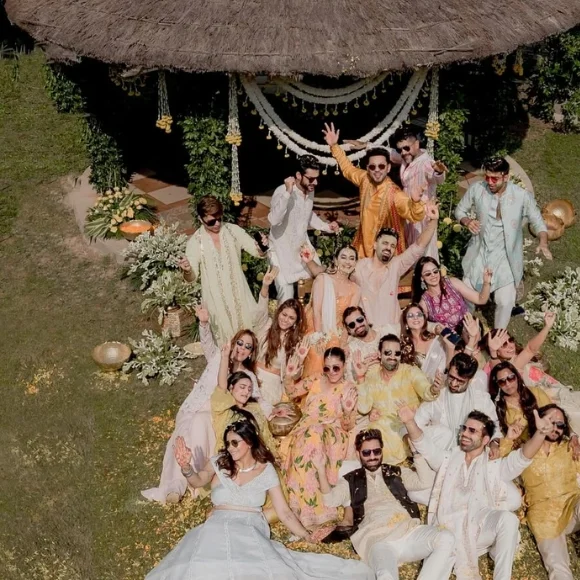
These days, Haldi events are growing more lively and engaging.
Designers frequently employ:
The environment is lively and energetic.
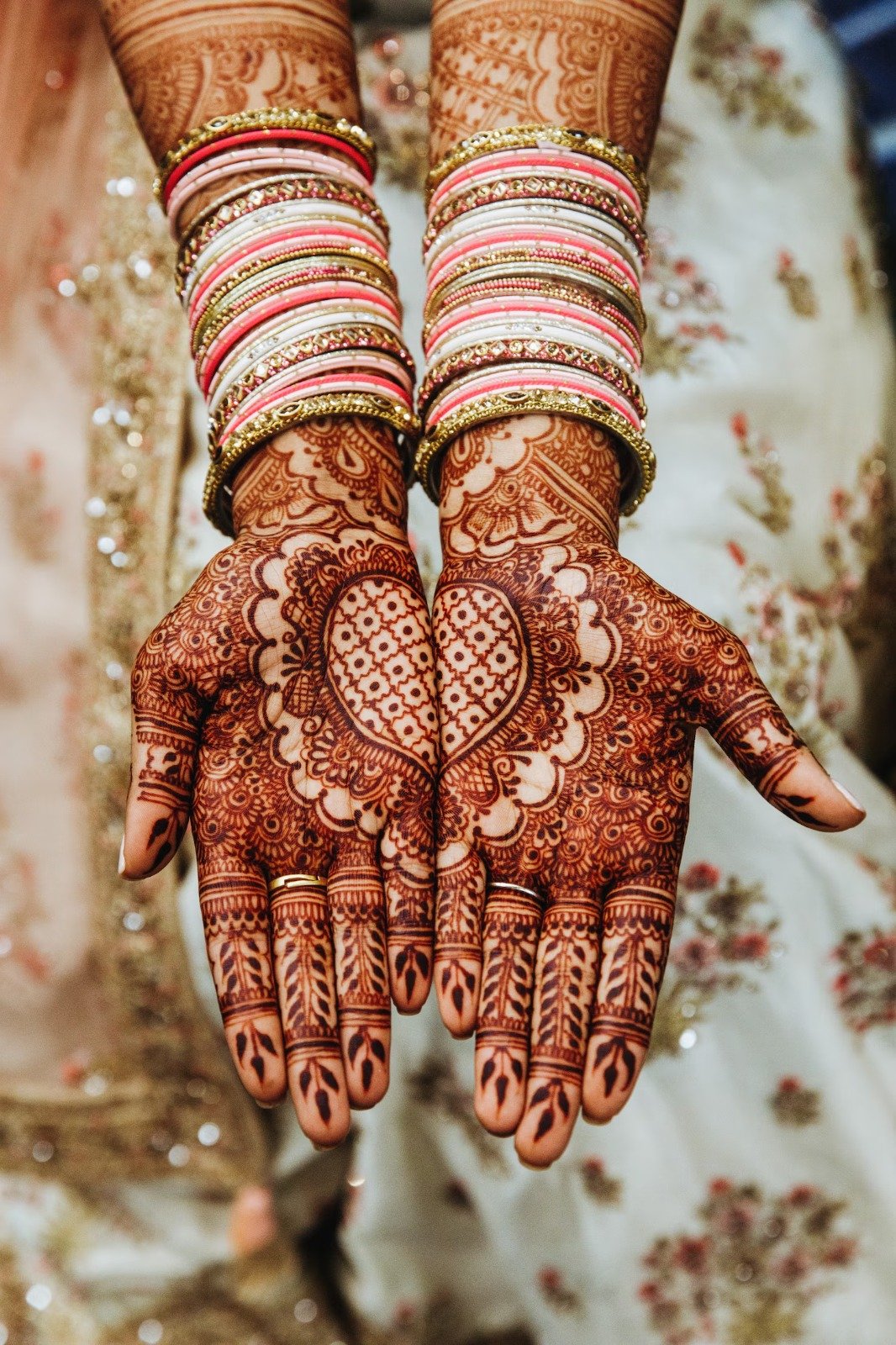
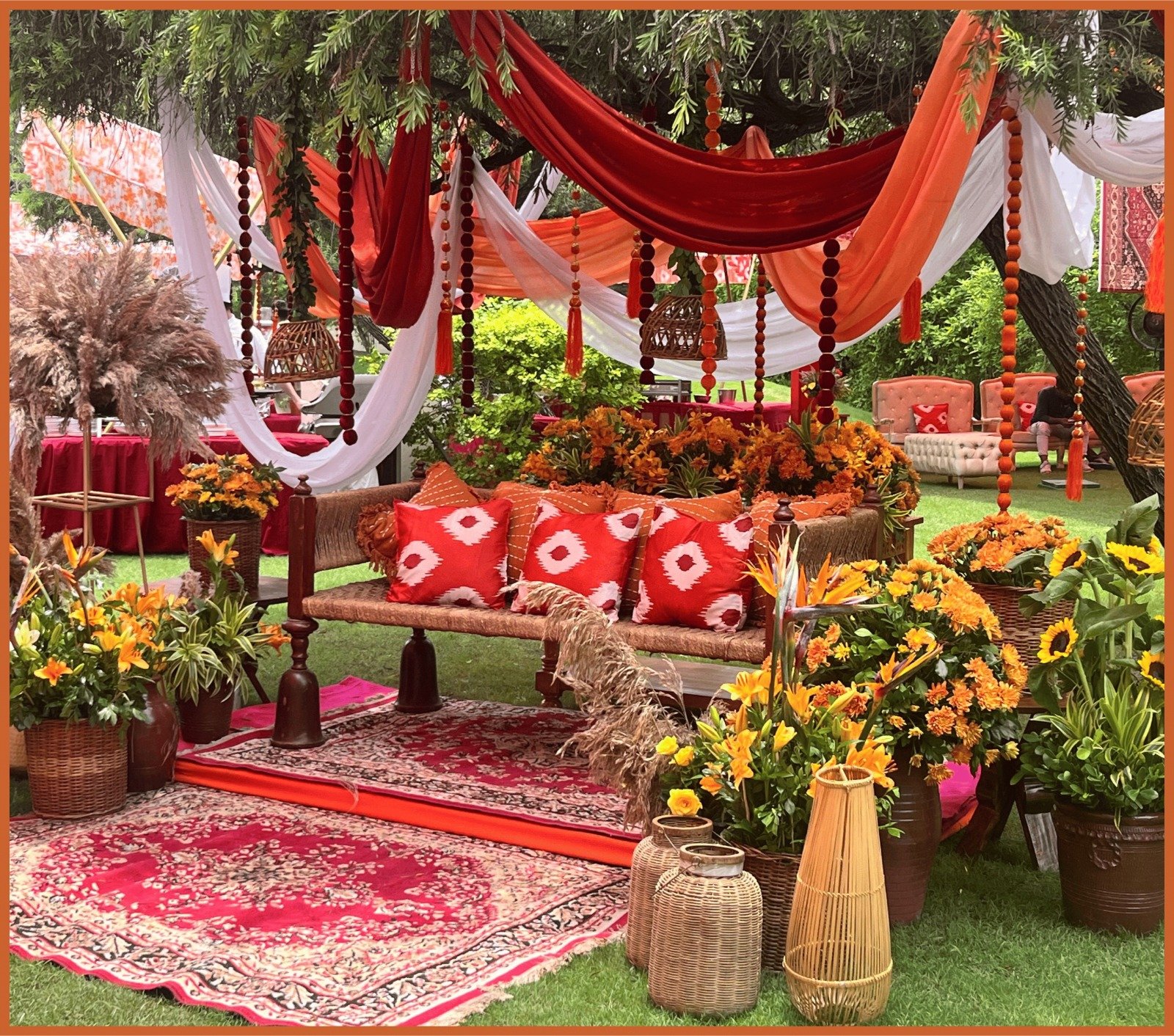
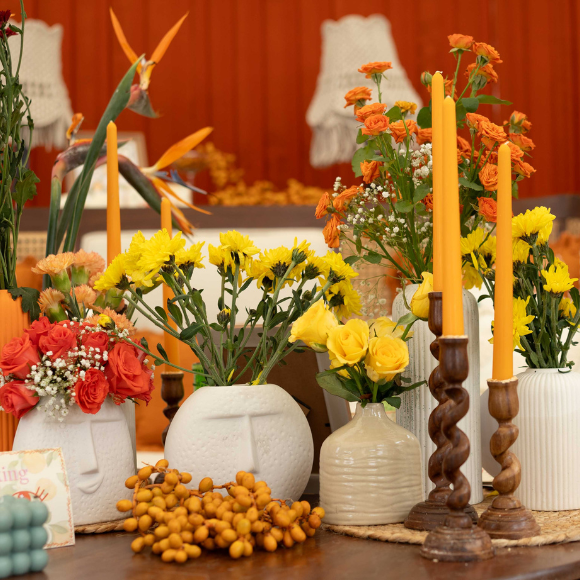
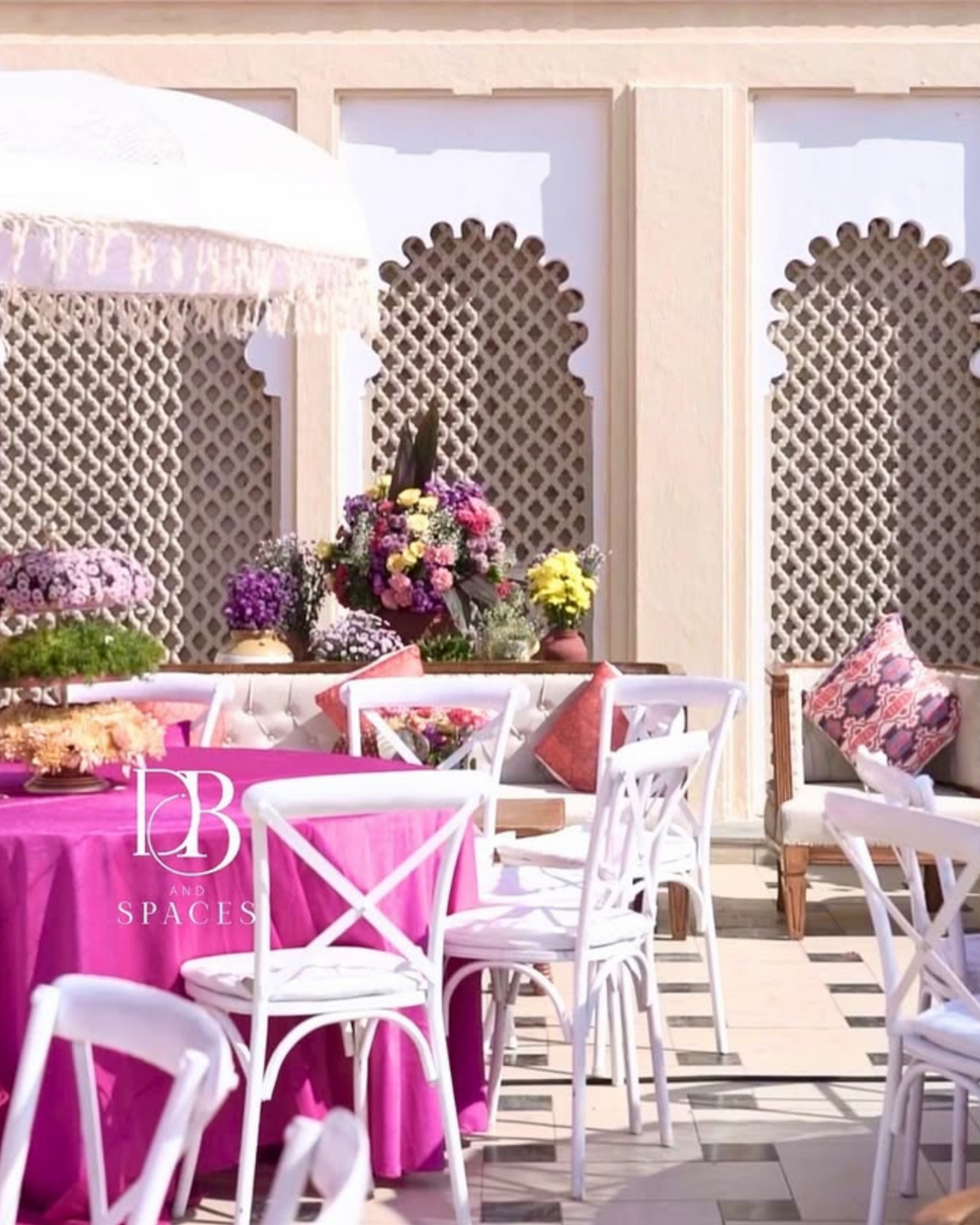
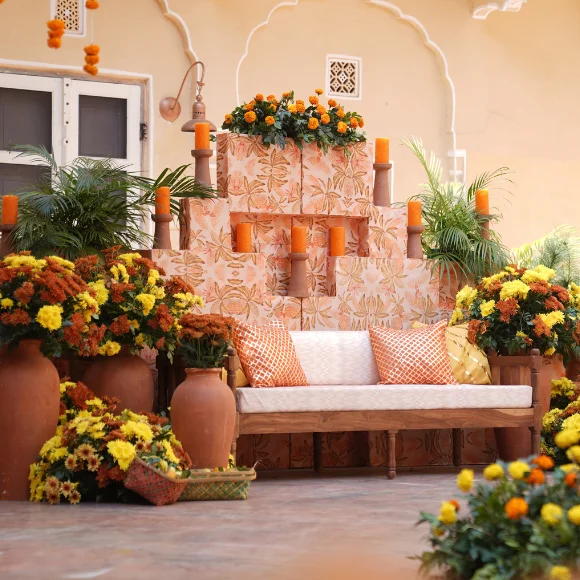
Mehndi arrangements typically emphasise cosiness and ethnic diversity.
Typical components include:
Cocktail parties are evolving into quite immersive experiences.
Contemporary cocktail decor consists of:
Traditional vitality gives way to contemporary refinement.
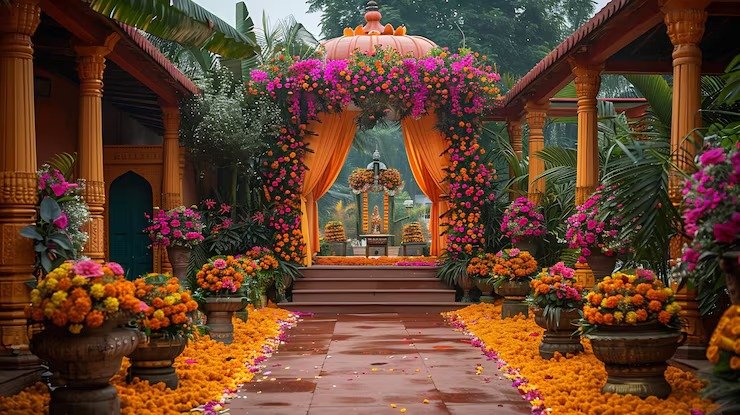
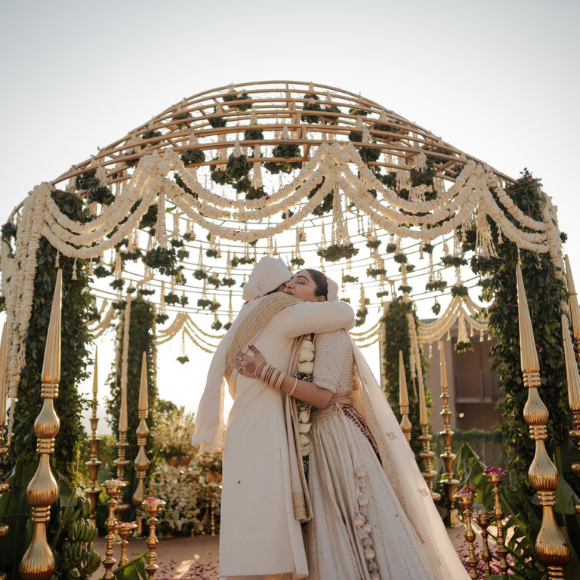
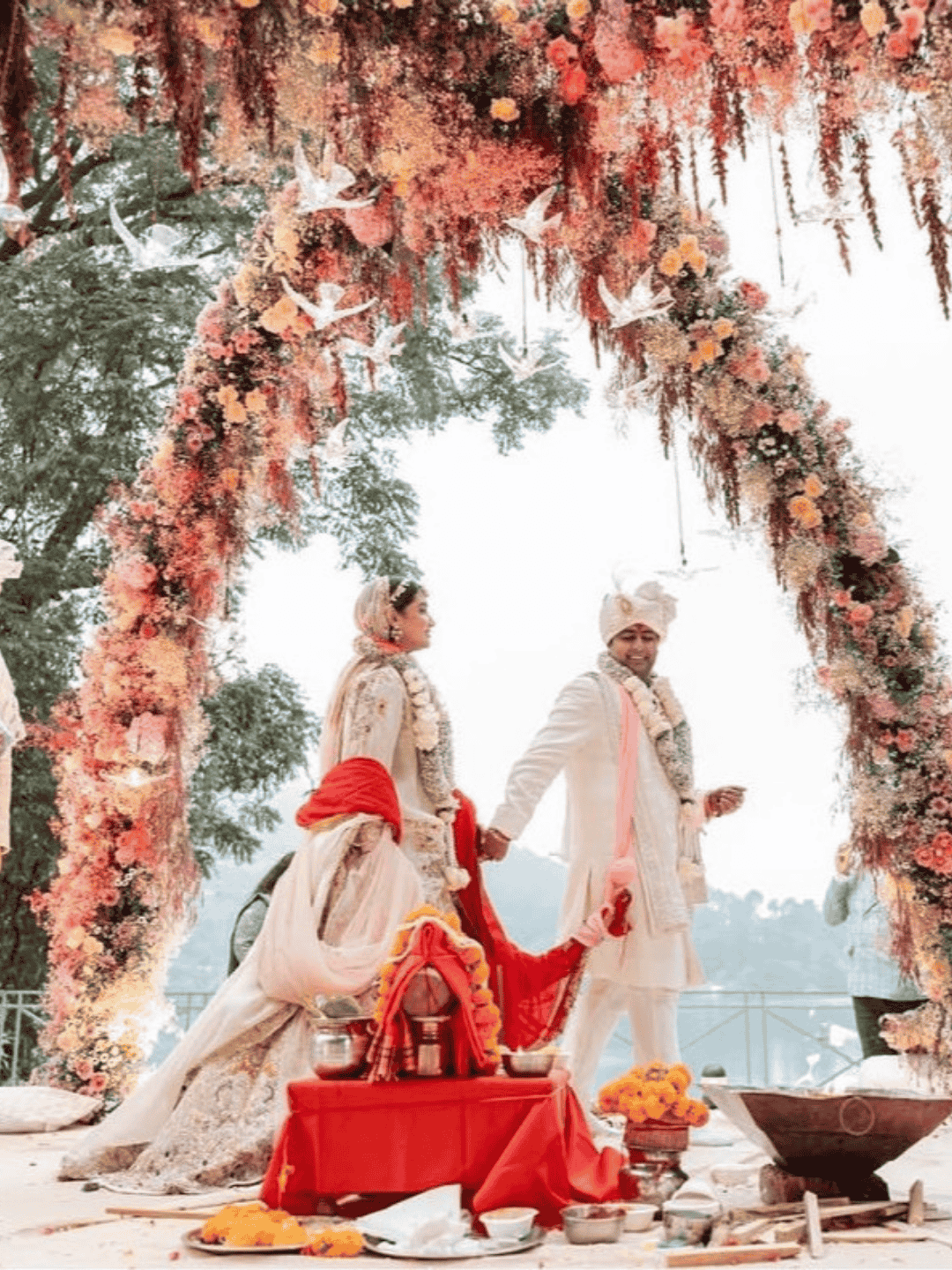
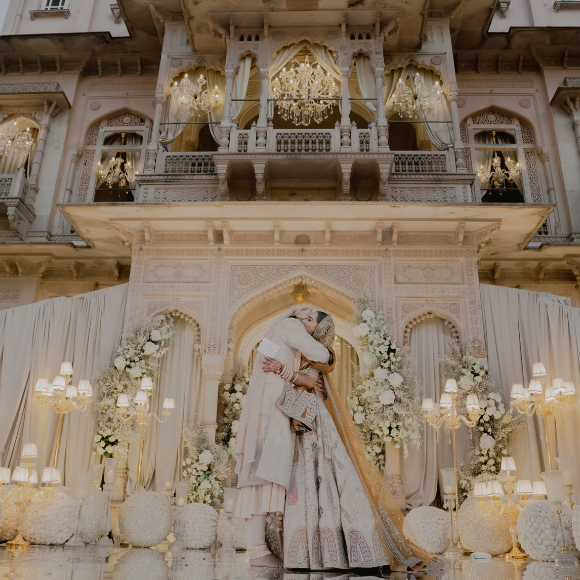
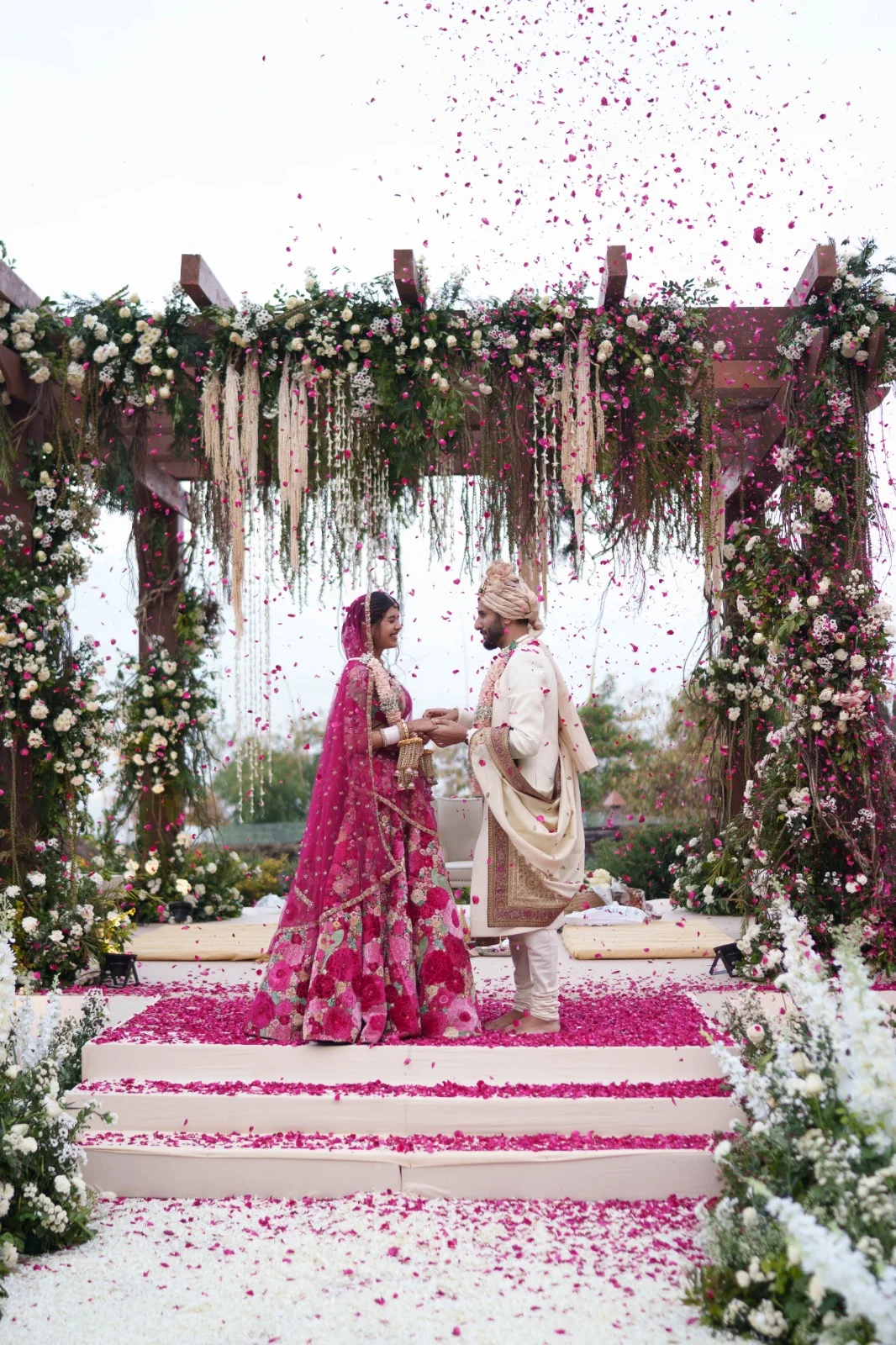
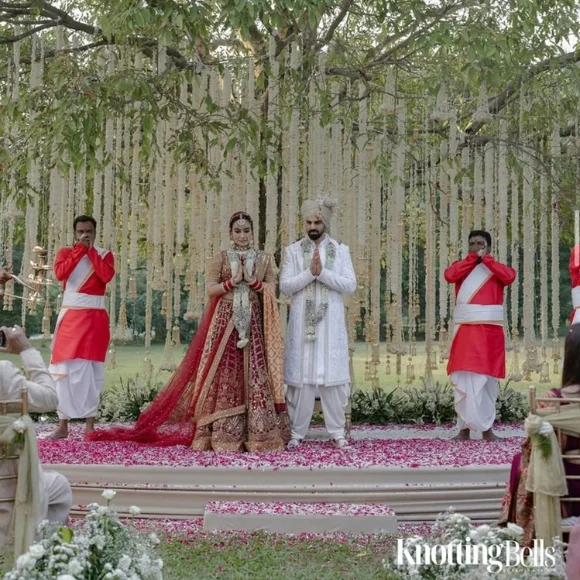
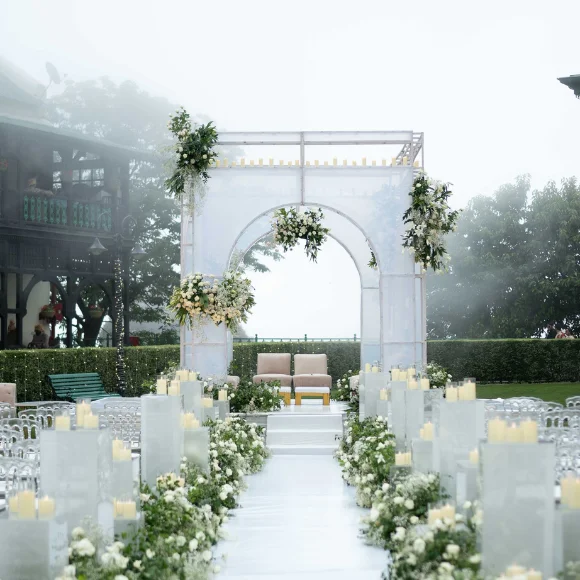
Emotionally, the marriage ritual is still revered. Inspired by art, geometry, and editorial aesthetics, modern mandaps are developing into architectural masterpieces.
Designers currently prioritise:
The mandap becomes both revered and visually striking.
Budget is no longer the main criterion for luxury weddings.
Experience is used to quantify them. Visitors recall their feelings throughout a wedding.
Hospitality-driven experiences are becoming highly valued in modern wedding design.
This comprises:
These days, hospitality design and wedding design are closely related.
Throughout the event, guests should feel at home, involved, and emotionally attached.
Wedding experiences are rapidly evolving due to technology. Technology is now easily incorporated into celebrations through modern wedding decor.
This comprises:
Instead of overwhelming emotion, technology should strengthen it.
The best wedding designs creatively and delicately incorporate technology.
The popularity of small-scale luxury weddings is one significant change in the sector. Nowadays, many couples prefer more intimate, smaller gatherings to large guest lists. According to industry insights, intimate weddings that prioritise comfort, emotional depth, and attention to detail over sheer size are becoming increasingly popular.
Smaller weddings give designers more time to concentrate on:
The outcome is more memorable and feels richer.
Sustainability is increasingly playing a role in contemporary weddings. Eco-friendly parties that don't sacrifice attractiveness are becoming increasingly popular among couples.
Among these are:
These days, intentionality and responsibility are linked to modern luxury.
The contemporary wedding is increasingly viewed as an intricate emotional journey, transcending mere decoration to embody personal narratives and unique experiences. Modern couples desire their celebrations to reflect their individuality and emotional depth, prioritising immersive environments and storytelling over traditional decor.
The essence of wedding design lies in crafting a mood and emotional journey rather than merely beautifying a space. Designers consider various elements, such as lighting variations and colour influences, to ensure every detail, from floral arrangements to music, contributes meaningfully to the overall experience. Luxury weddings are shifting toward purposeful design, favouring curated compositions that resonate personally with the couple and their guests.
Storytelling in wedding design manifests through customised colour schemes that evoke specific emotional responses, meaningful installations that foster connections, and venues that enhance the narrative rather than serve as backdrops. Elements like floral tunnels, interactive storytelling areas, and memory walls create emotional engagement rather than just photo opportunities.
Experiential design is becoming essential as weddings increasingly focus on the guest experience, moving away from static setups toward dynamic, interactive environments. The significance of initial impressions cannot be overstated; thoughtful entrances set the stage for emotional connections.
Lighting is recognised as a powerful tool in creating atmosphere; it shapes moods by transitioning throughout the event—from warm, intimate tones for receptions to vibrant, celebratory illuminations for dancing. Similarly, floral design is evolving to emphasise intentionality and emotional resonance, prioritising harmony over congestion.
Modern weddings aim to create distinctive yet cohesive experiences across functions, ensuring that each moment is purposeful and reflective of the couple's identity, transforming the wedding industry's overall landscape.
Recent Post
Any Query? Reach Us
Follow our latest stories.

 (1).webp "https://dbandspaces.com/storage/blogs/1792063061-compressed_DB Spaces Blog Cover (Sept) (1).webp")