Have Query ? Reach Out Us!




Have Query ? Reach Out Us!
Festival-Season Weddings: Pros, Cons, and How to Plan Around Diwali
Festival-Season Weddings: Pros, Cons, and How to Plan Around Diwali
22 Jul , 2026
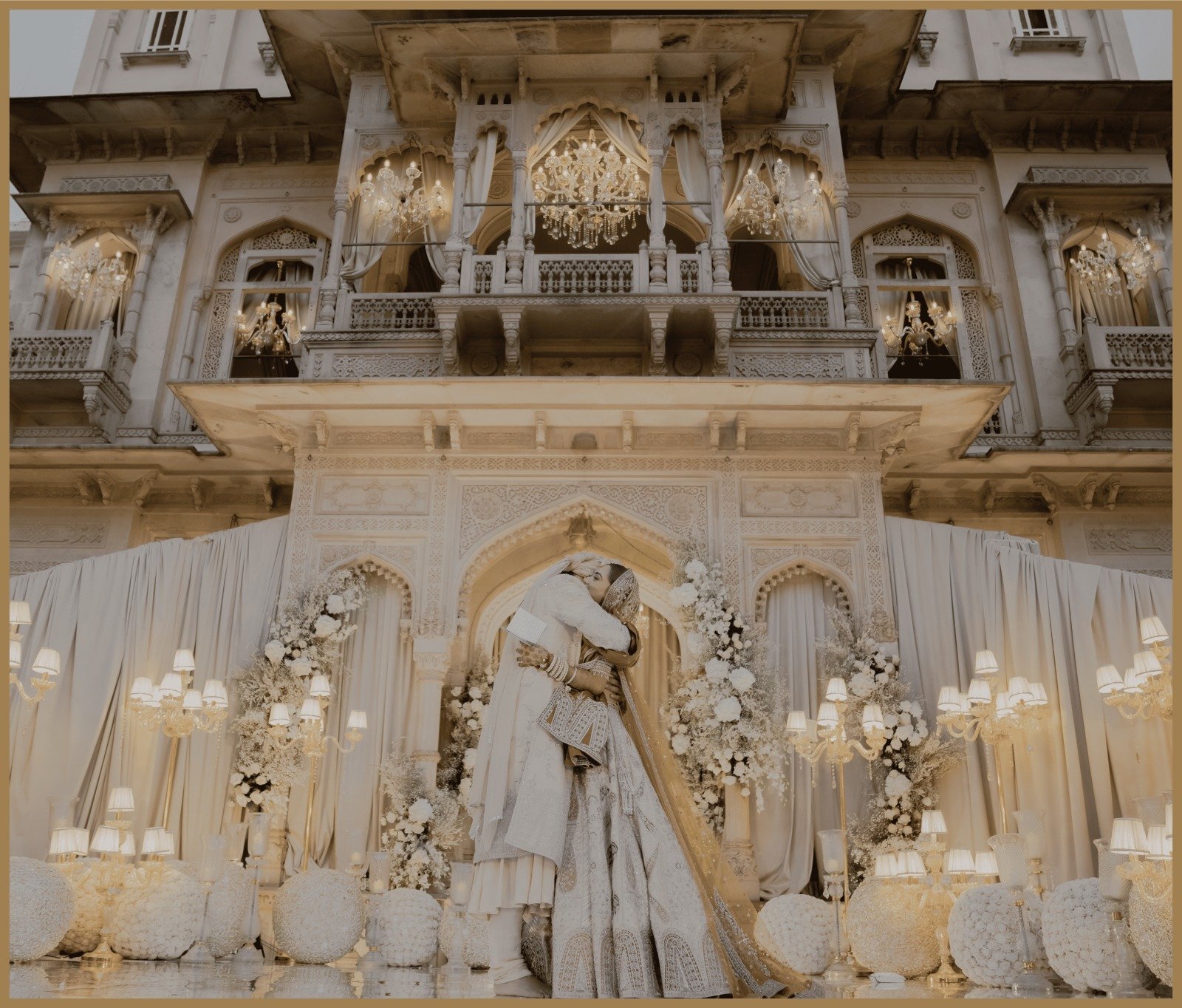
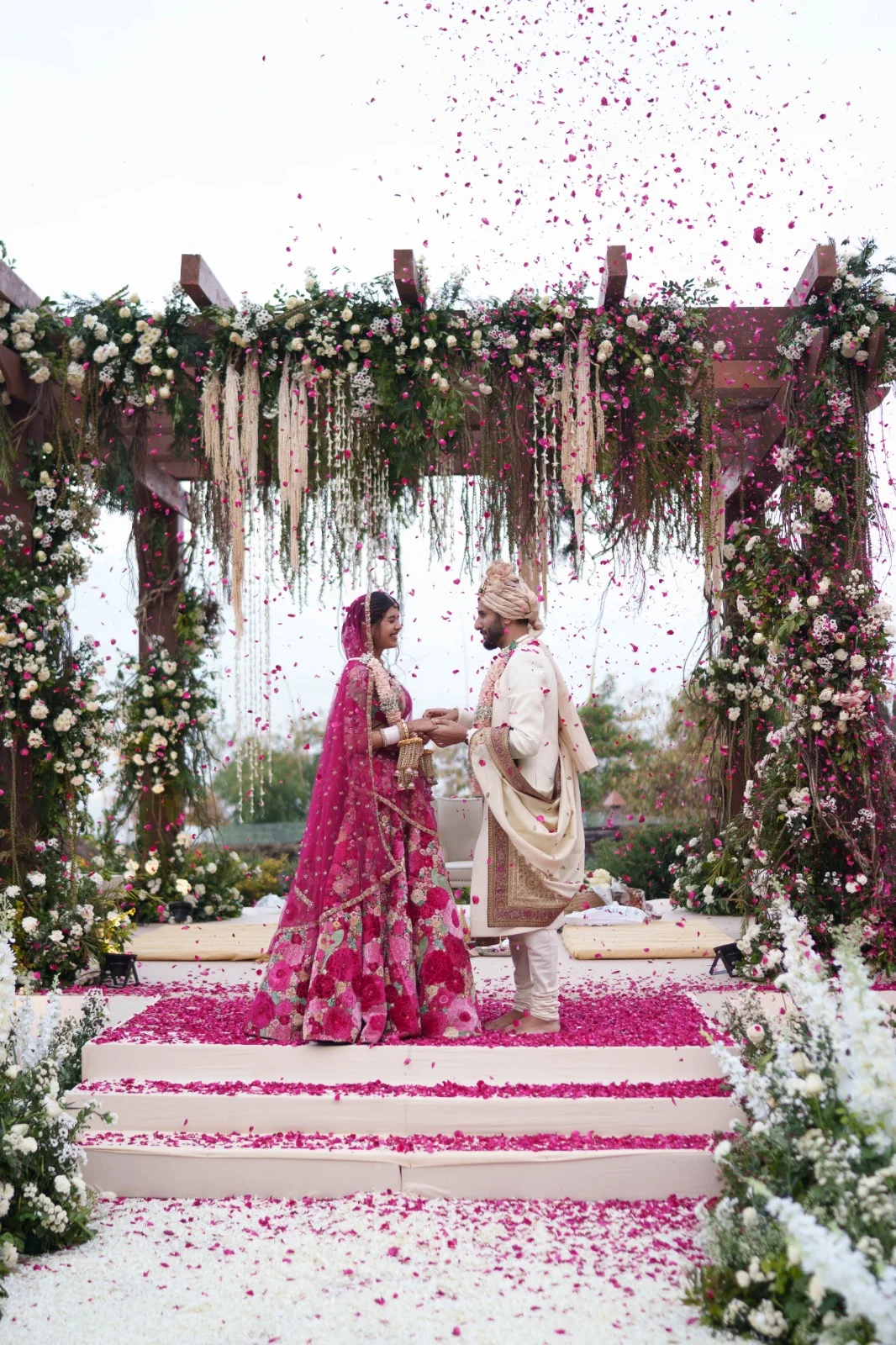
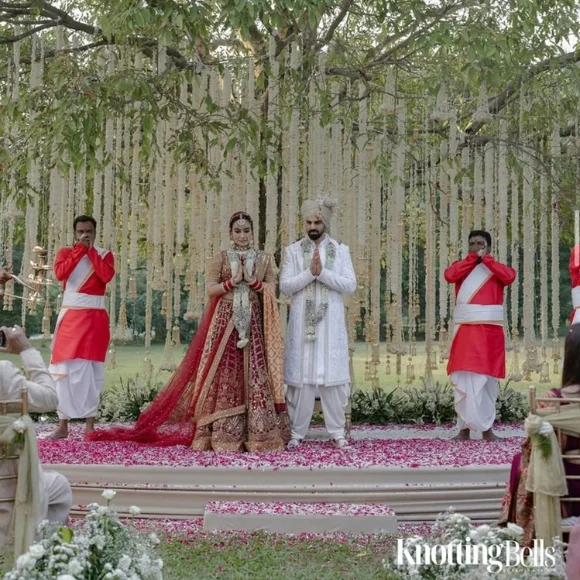
There’s a reason half of India seems to get married between October and December. The weather finally cools down. The festive energy is already in the air. The markets are lit up, the houses are decorated, and everyone is already in the mood to dress up, eat well, and celebrate. It feels like the universe is saying yes, this is when you should do it.
And right at the heart of that season sits Diwali. The festival of lights. The one time of year when the whole country is already glowing, already festive, already halfway to a wedding mood before you’ve even sent the invitation.
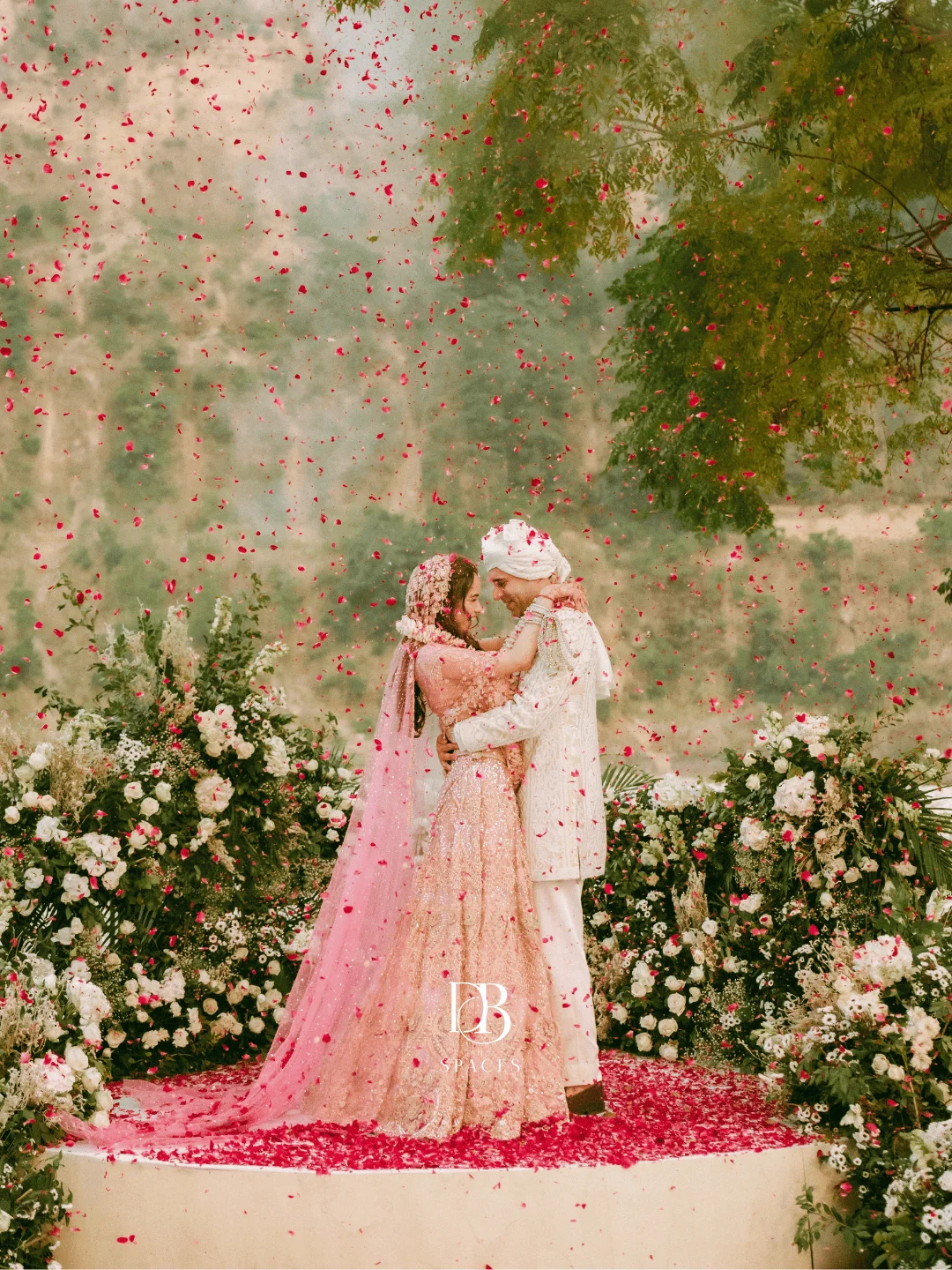
At DB and Spaces, we plan more weddings during the Diwali window than at any other time of year. And we’ll be the first to tell you that a festival-season wedding can be the most magical thing you’ll ever experience. We’ll also be the first to tell you that it comes with a very specific set of challenges that can catch couples off guard if they’re not prepared.
Here’s the honest picture. The good, the tricky, and the ways to make it all work.
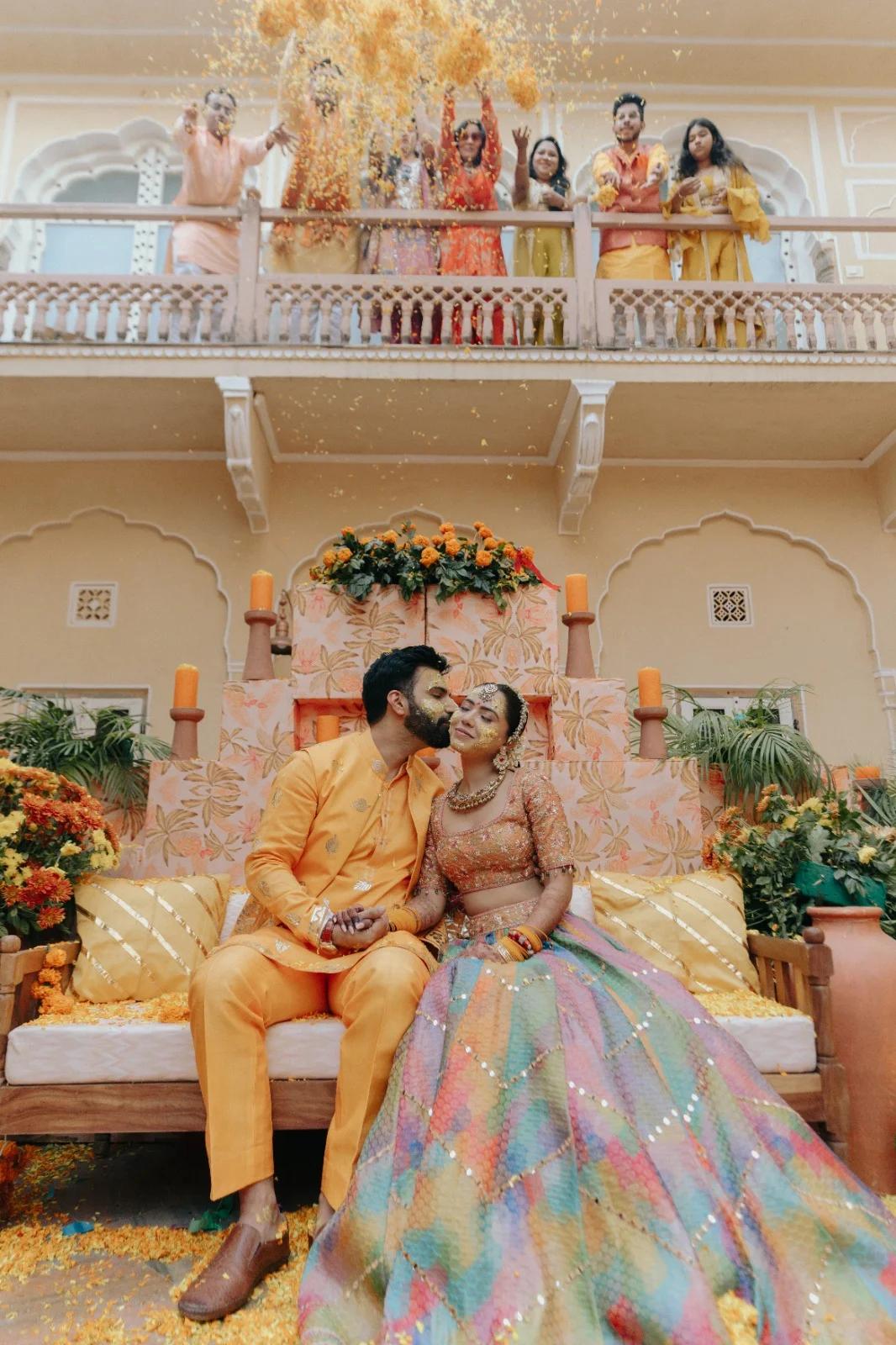
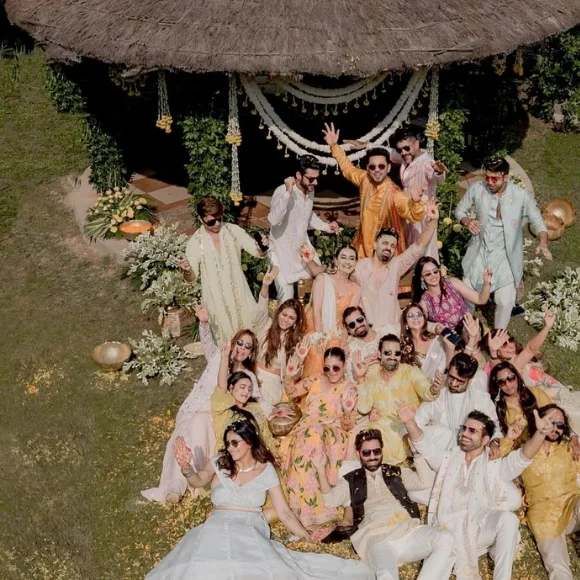
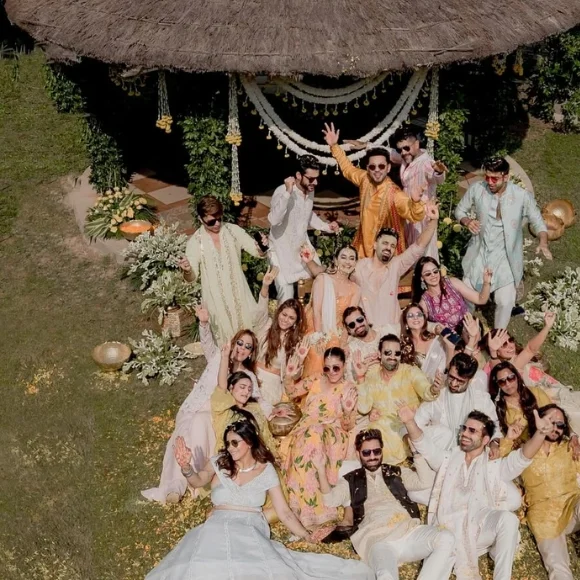
The energy is already there. This is the single biggest advantage. During Diwali, the emotional temperature of the entire country is already elevated. People are happy. They’re generous. They’re dressed in their best clothes and ready to celebrate. Your wedding doesn’t have to manufacture that feeling from scratch. It arrives pre-loaded.
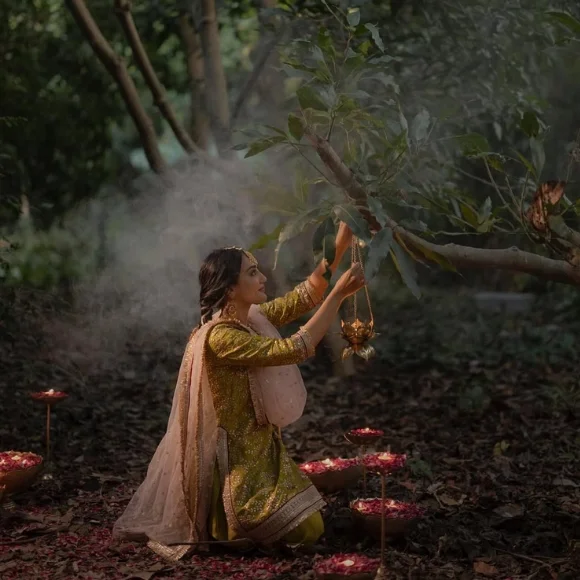
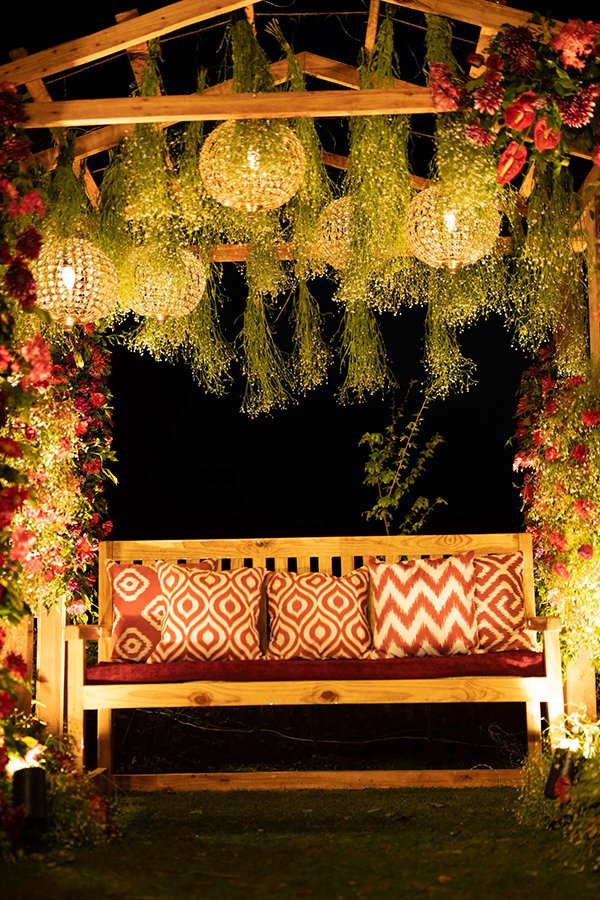
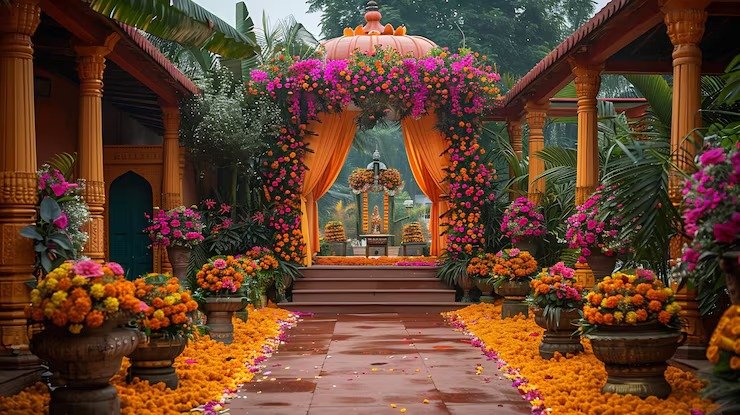
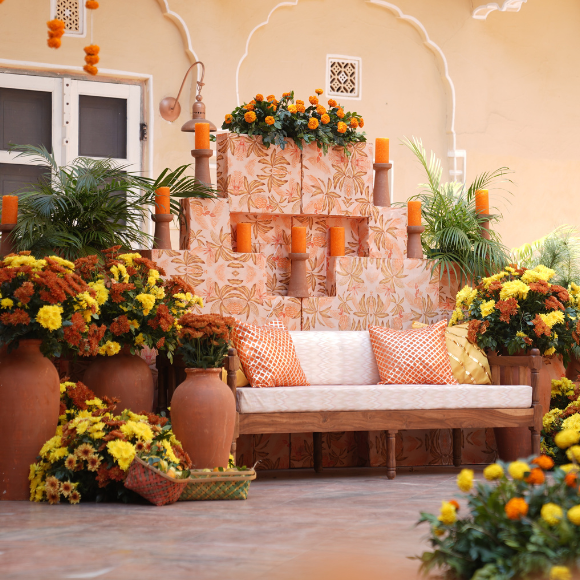
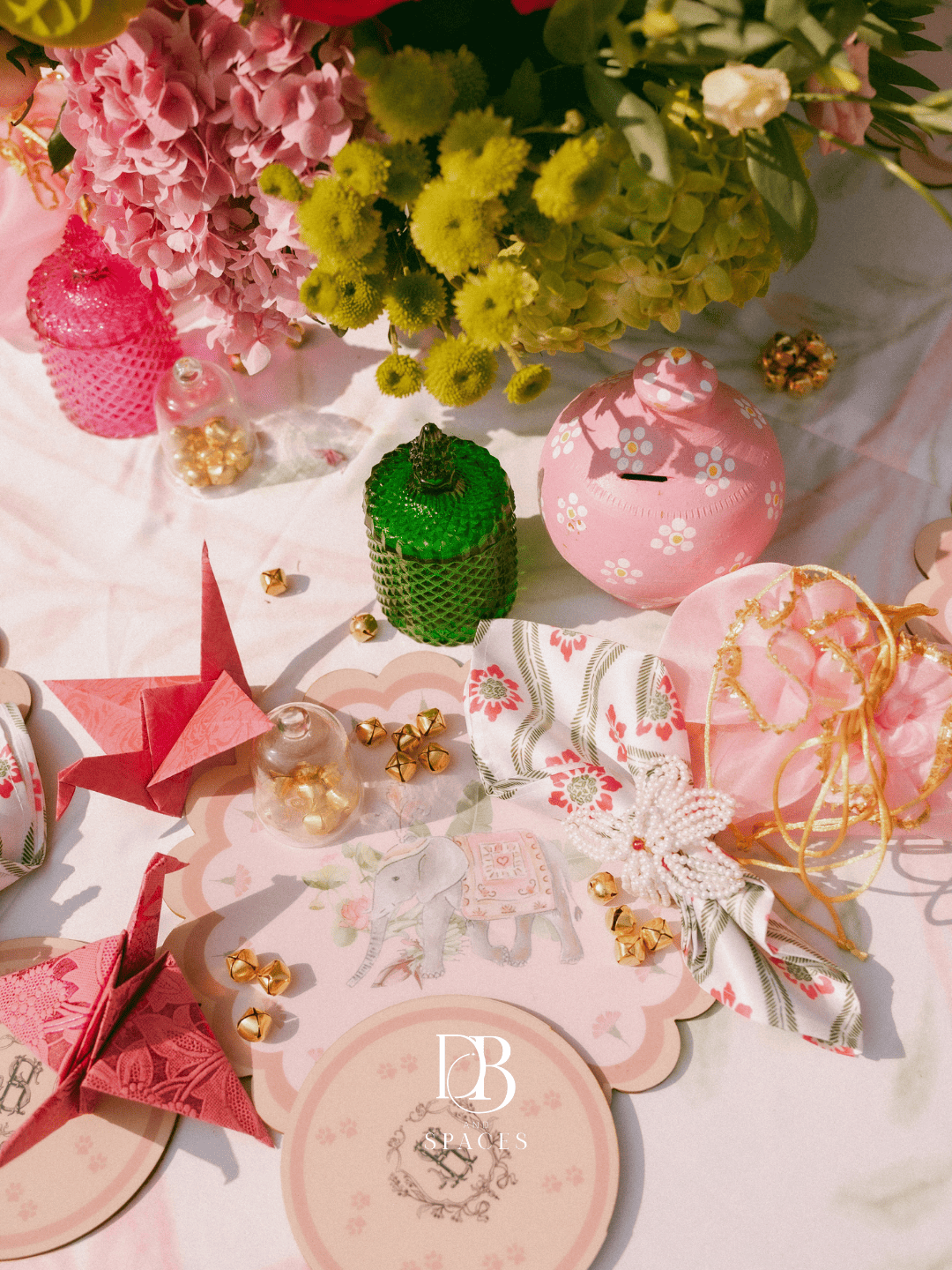
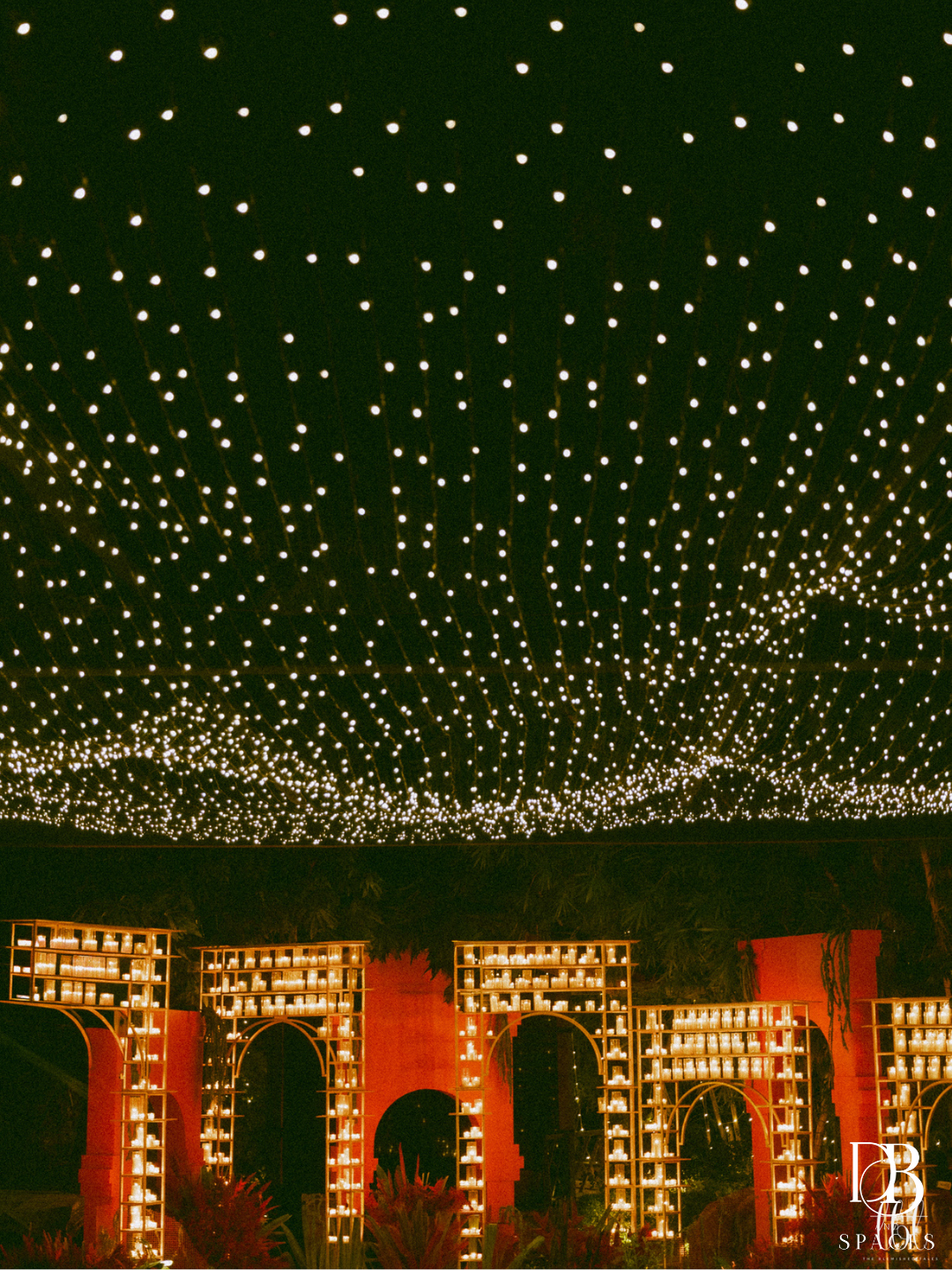
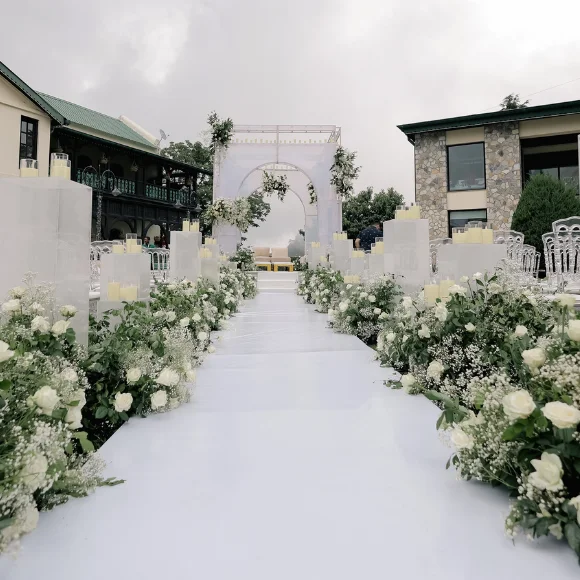
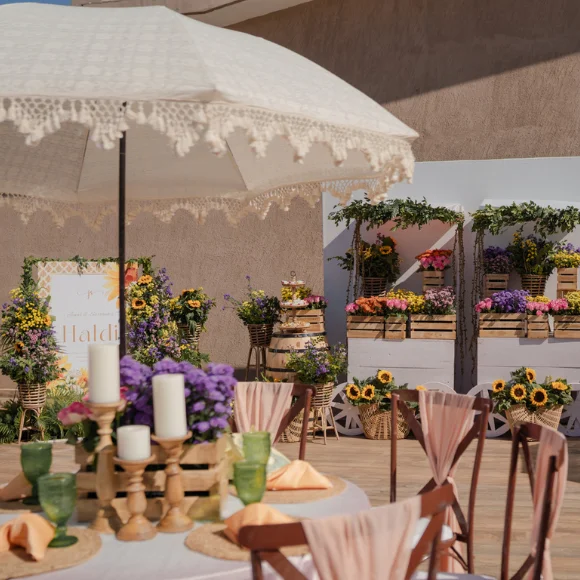
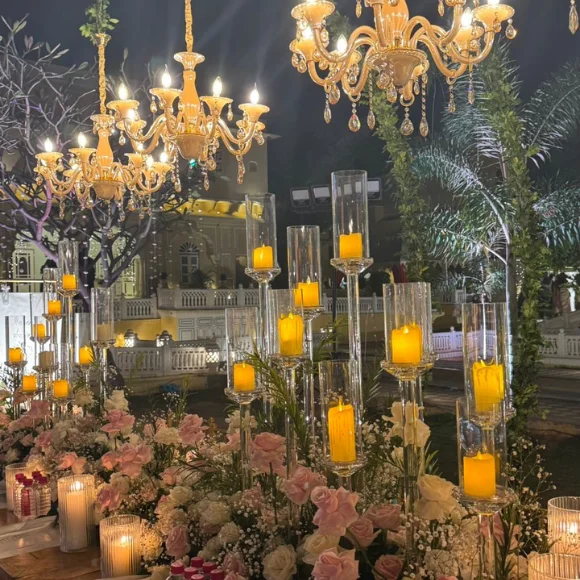
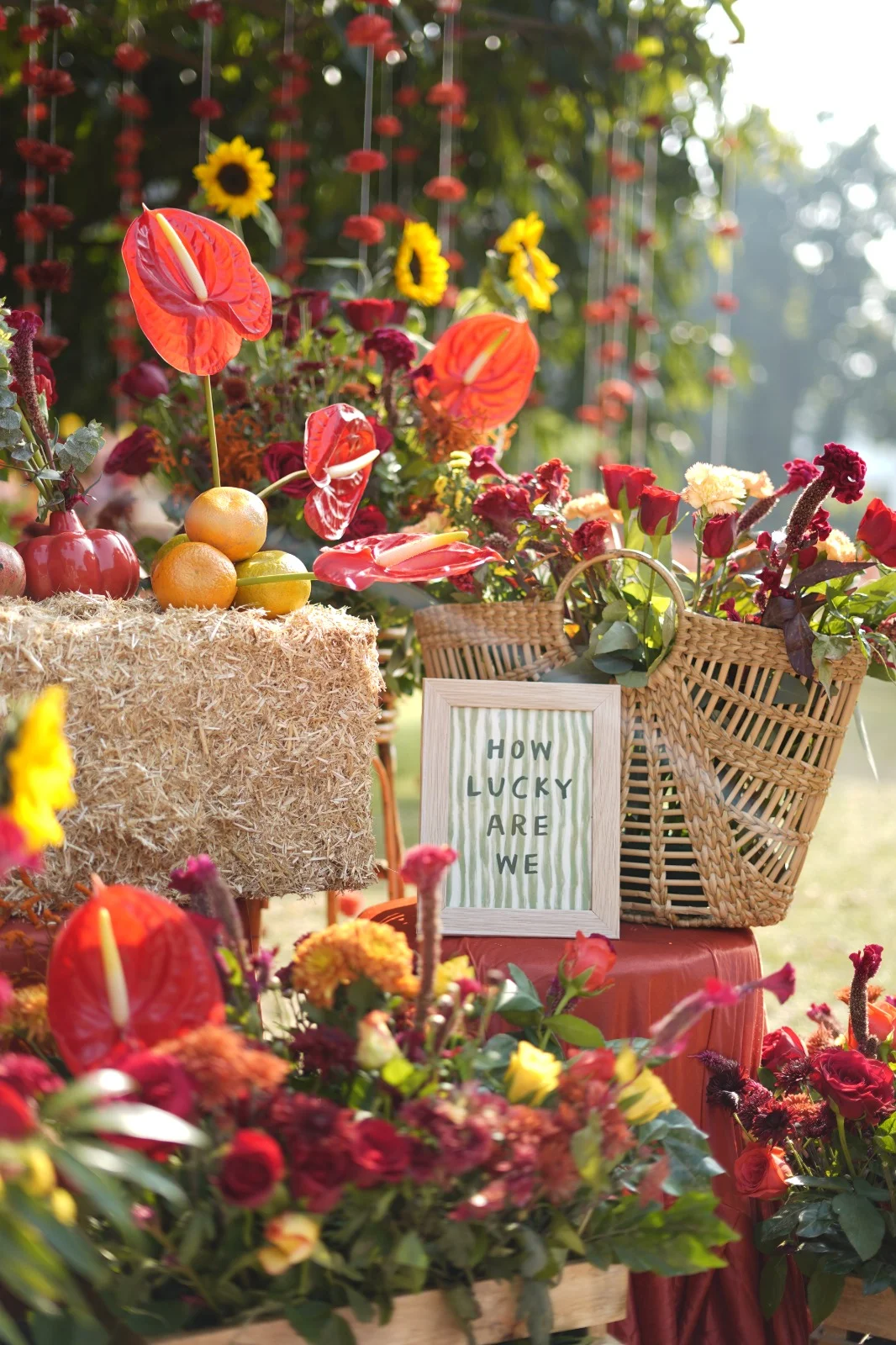
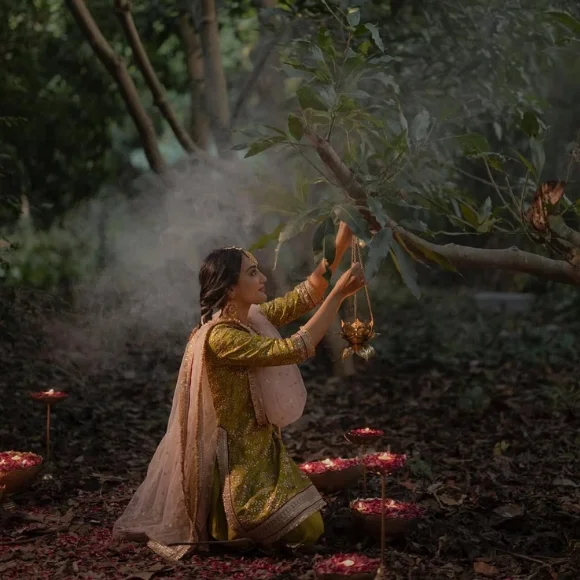
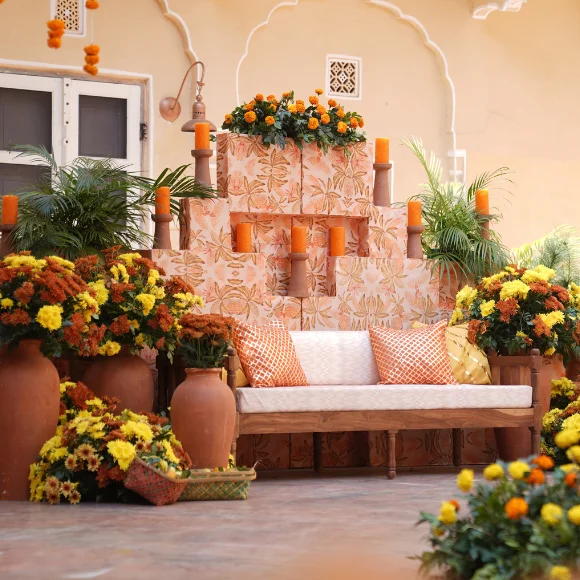
The décor does double duty. Diyas, candles, fairy lights, marigold strings, rangoli. These aren’t just wedding decorations during Diwali. They’re cultural decorations. The venue, the streets, even the parking lot already looks festive. Your décor budget goes further because the world around you is already doing half the work.
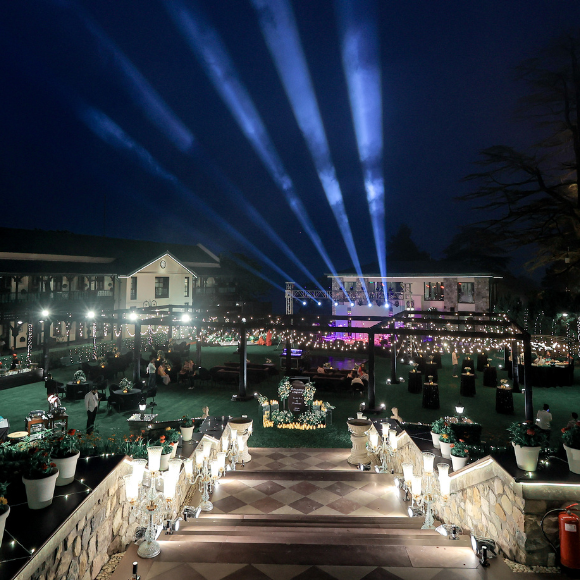
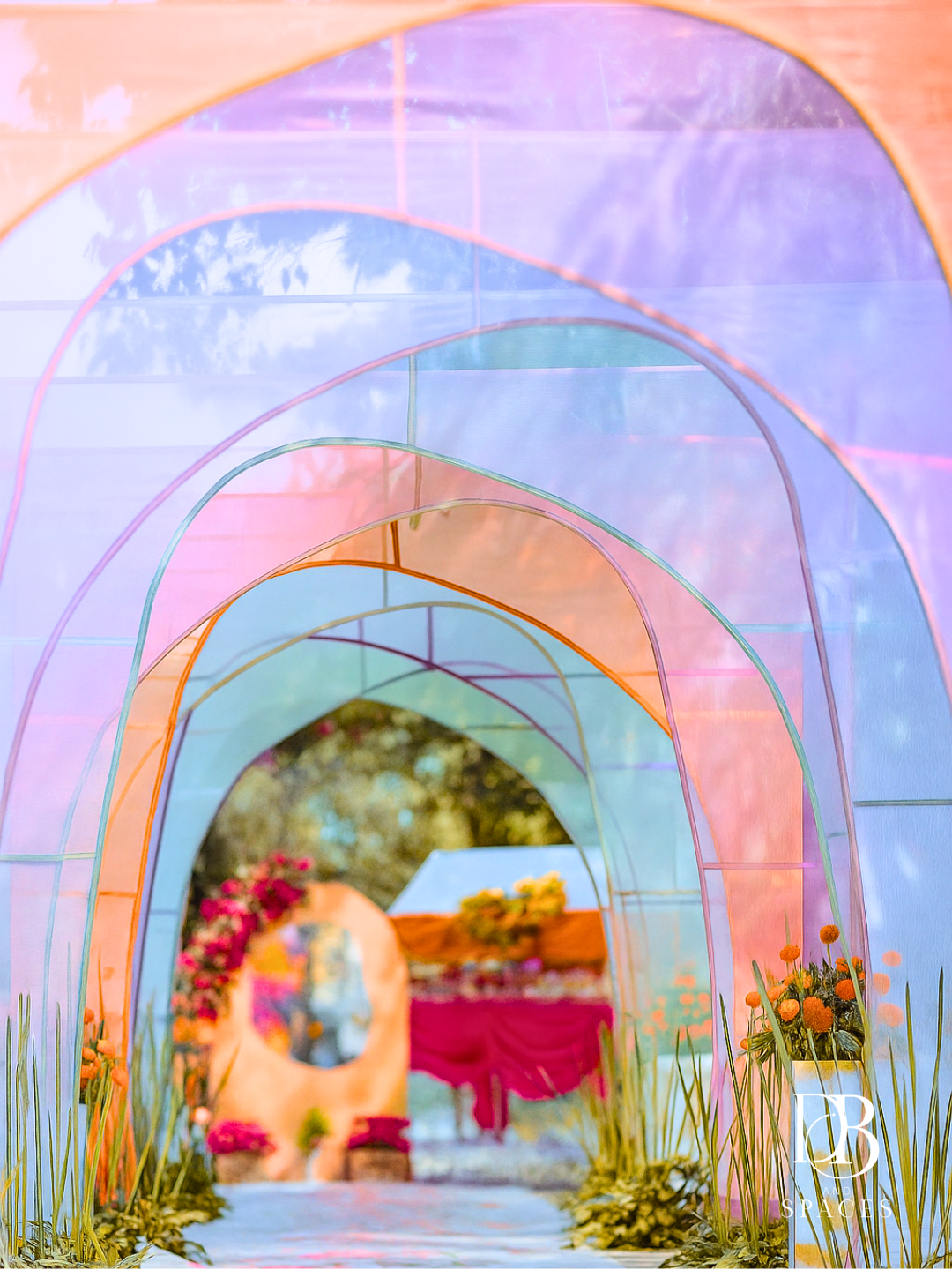
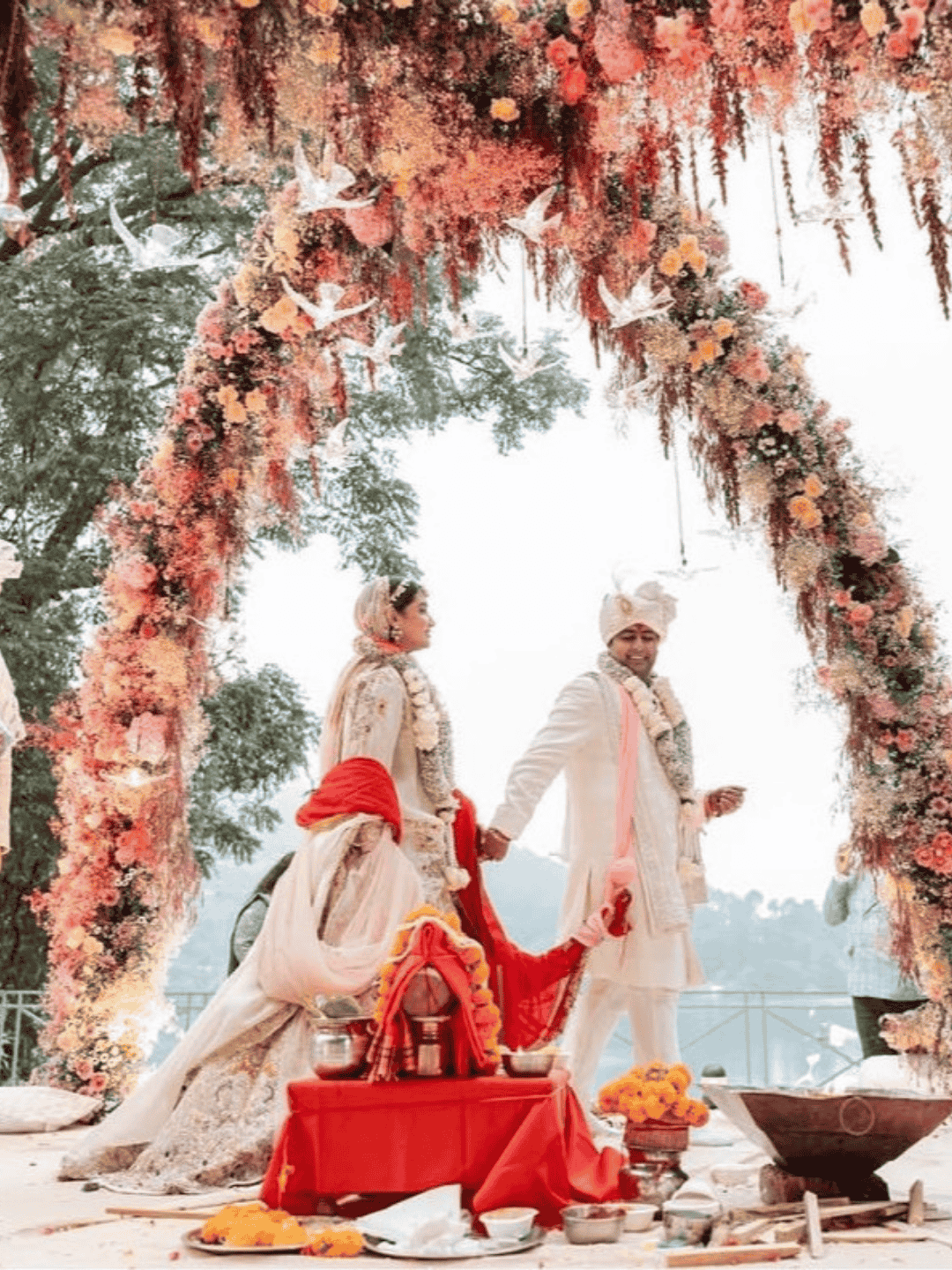
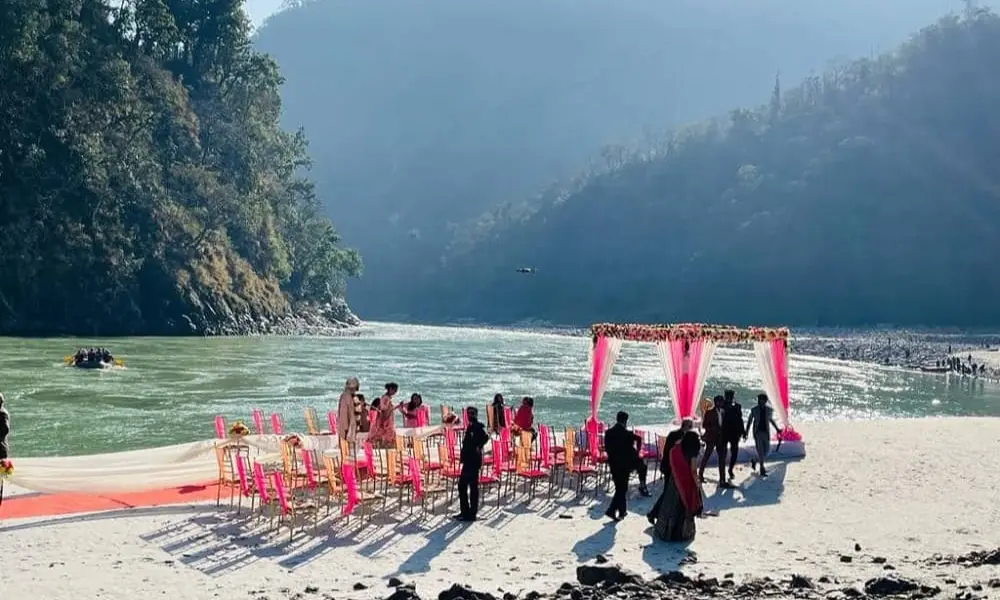
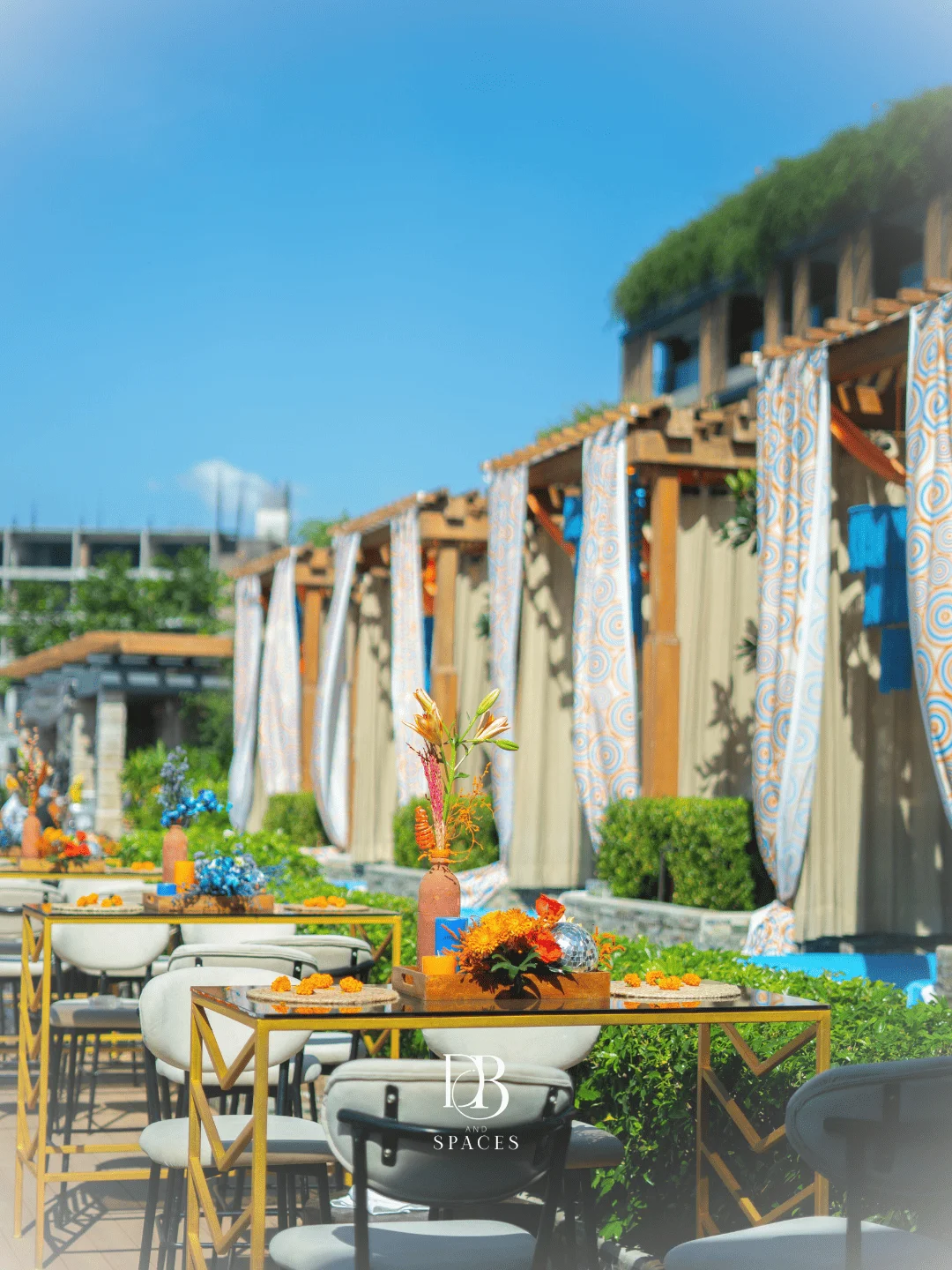
The weather is on your side. October and November in most of North India bring the year’s most pleasant evenings. Cool but not cold. Dry but not dusty. Perfect for outdoor ceremonies, rooftop receptions, and garden dinners. The kind of weather where guests actually want to stay outside and enjoy the night.
Family is already together. Diwali is one of the few times in the year when extended families gather in one place. Cousins fly in. Grandparents travel. Everyone is already home. Planning a wedding around this window means fewer travel logistics and a higher chance that the people who matter most will actually be there.
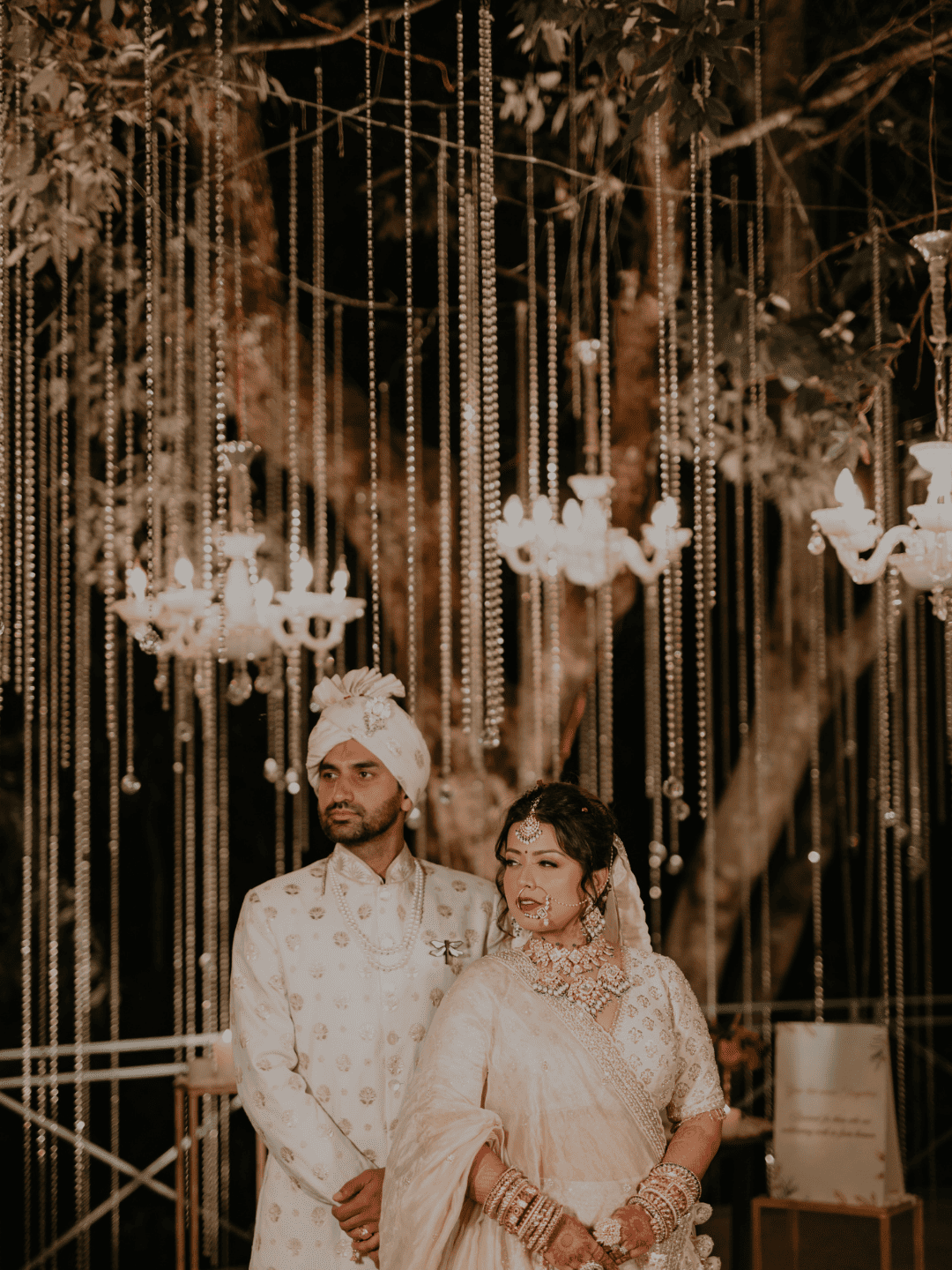
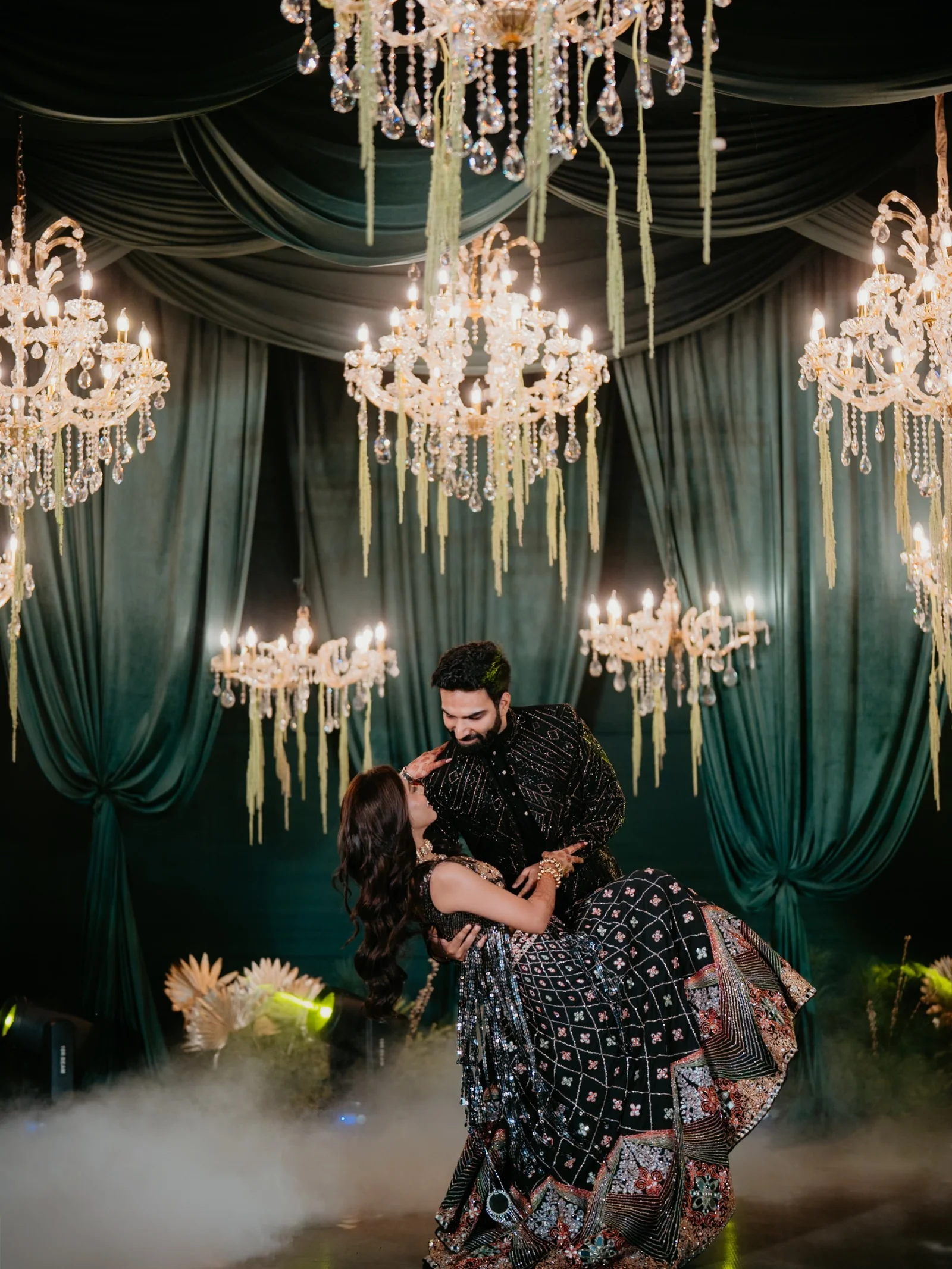
The photographs glow. There is something about the light during Diwali season. The golden hour lasts longer. The evenings are warmer in tone. And if your wedding happens to fall on a night when the sky is full of distant fireworks and the air smells like sparklers, your photographer will thank you for the rest of their career.
Every vendor is booked. This is the biggest headache and it’s not a small one. The best photographers, decorators, caterers, makeup artists, and venues are reserved months in advance for the Diwali season. If you start planning in August for a November wedding, you’re already late. The top vendors get locked in by February and March.
Prices go up. Significantly. Demand drives pricing, and during the wedding season, demand is at its peak. Venue rates can jump by thirty to fifty percent. Decorator quotes climb. Even flower prices rise because every mandap in the city wants the same marigolds on the same weekend. Budget accordingly or risk a very unpleasant surprise.
Guest fatigue is real. During Diwali season, your guests are attending multiple events. Office parties. Family gatherings. Puja ceremonies. Card parties. Other weddings. By the time they arrive at yours, they may already be socially exhausted. A three-day wedding that would feel exciting in February can feel like a marathon in November.
Noise and pollution. Let’s talk about the elephant in the room. Diwali means firecrackers. If your wedding falls on or near Diwali night, the noise levels can be genuinely disruptive. Outdoor ceremonies become difficult when every other minute brings a loud bang from a neighbouring colony. The air quality in cities like Delhi during Diwali week can also be a real concern, especially for elderly guests and young children.
Clashing calendars. Diwali puja timings, Bhai Dooj, Govardhan Puja, Dhanteras. The days immediately around Diwali are packed with religious and family obligations. Scheduling your wedding too close to these can create conflicts that upset family members who don’t want to choose between their traditions and your celebration.
Book everything early. We mean January early. If you know you want a Diwali-season wedding, start locking in vendors and venues at least nine to ten months in advance. The best ones won’t wait.
Aim for the week after Diwali, not the week of. The sweet spot is usually seven to fourteen days after Diwali. The festive mood is still alive, the air has cleared, the firecrackers have stopped, and your guests have had a few days to recover from the festival itself. The prices also dip slightly compared to the exact Diwali weekend.
Be realistic with your guest count. Don’t assume full attendance. During festival season, even confirmed guests may have conflicts. Plan for a ten to fifteen percent drop-off and design your wedding for the number who will actually show, not the number you invited.
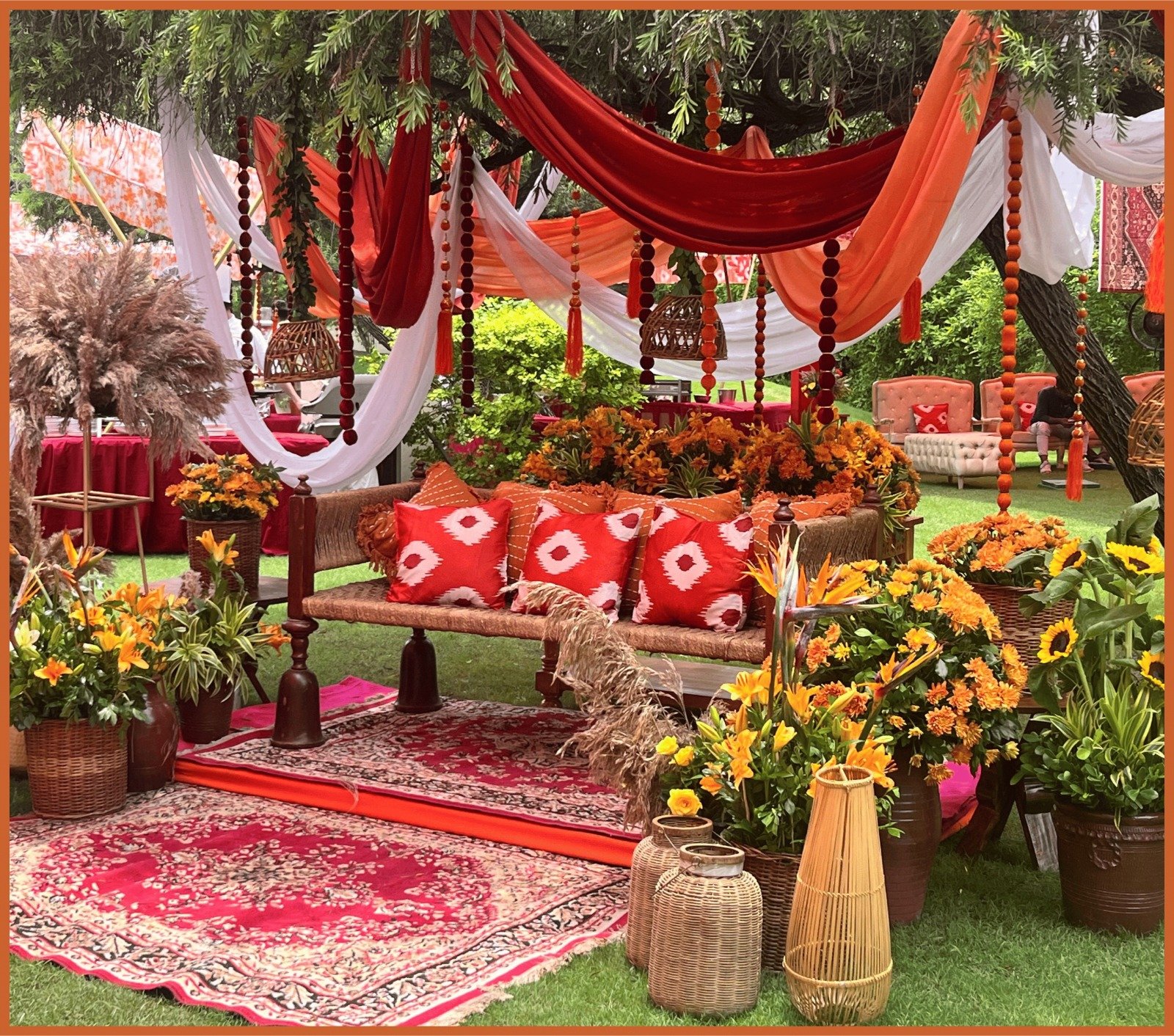
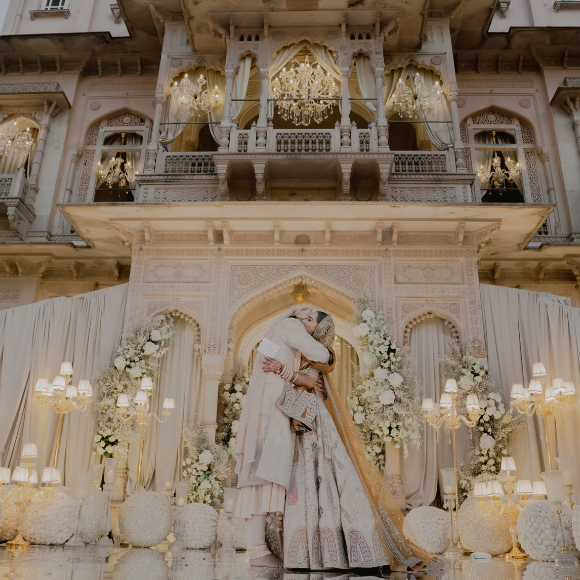
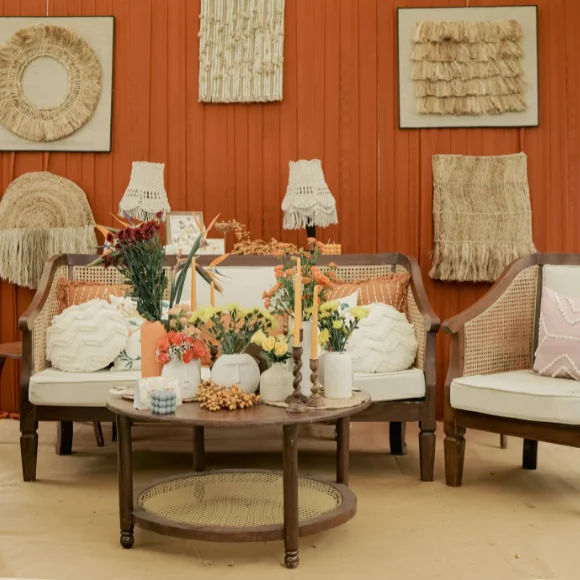
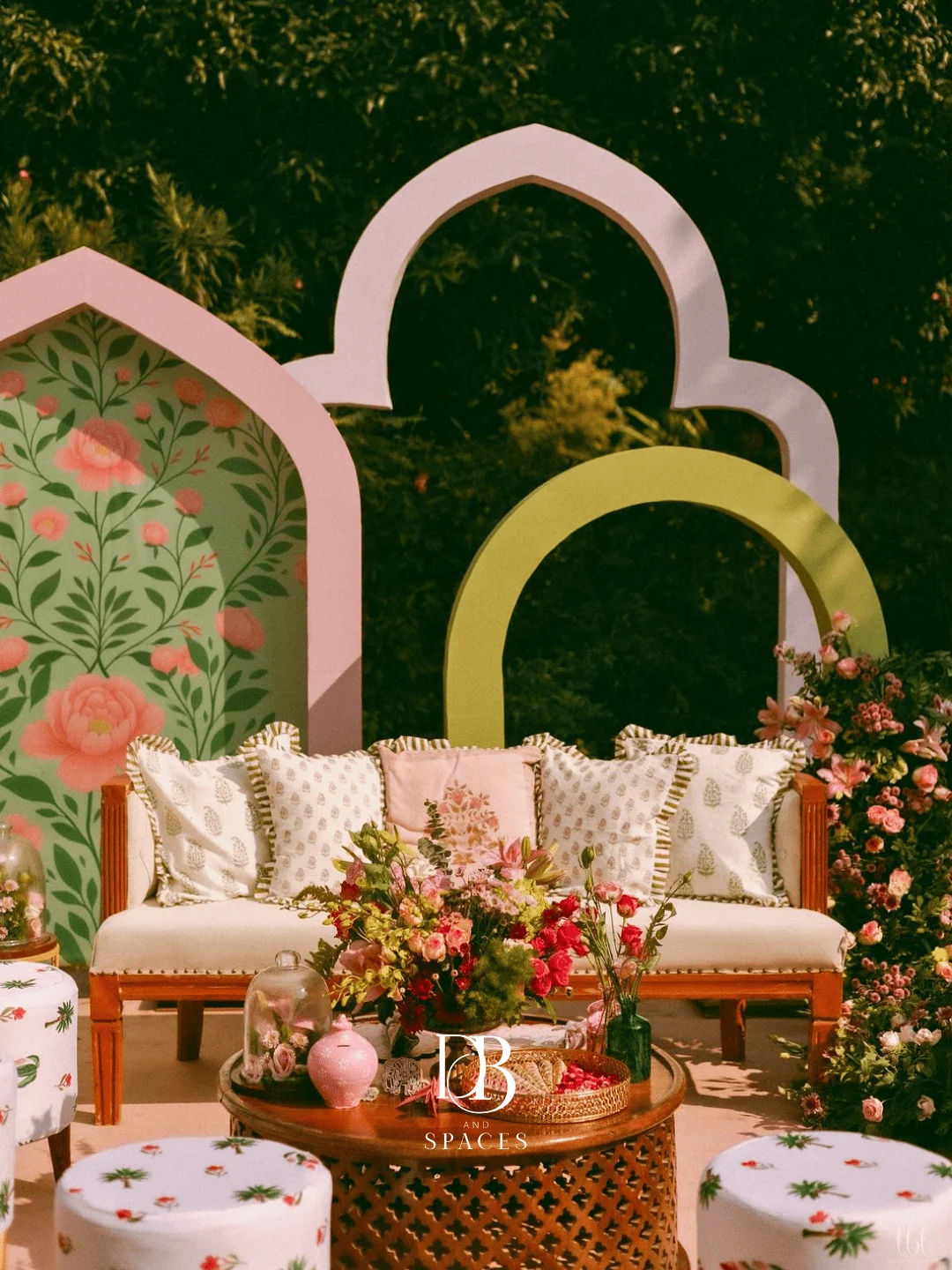
Lean into the Diwali aesthetic rather than competing with it. Don’t try to create a completely separate wedding look when the whole city is already glowing with diyas and gold. Embrace it. Use Diwali as your design language. Brass lanterns, terracotta diyas, warm golds and deep reds, traditional motifs. Let the wedding feel like a natural extension of the season rather than something fighting against it.
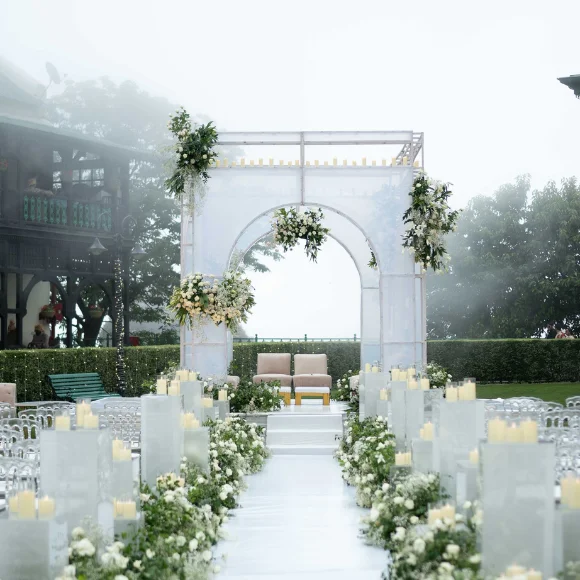
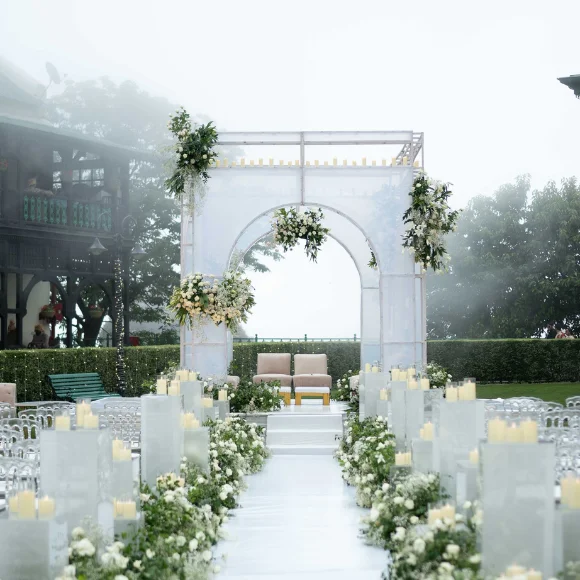
Plan indoor backups for the ceremony. Even if the weather looks perfect, have an indoor option ready in case the air quality drops or the noise levels spike. A beautiful indoor mandap with candles and warm lighting can be every bit as magical as an outdoor one, and your guests’ lungs will thank you.
Communicate with your guests early. Send save-the-dates well in advance so people can plan around the festival. Mention travel and accommodation options early, because hotel prices also surge during this season. The more notice you give, the more likely your full guest list will actually make it.
Work with a planner who knows the season. This is not a generic recommendation. Festival-season weddings have a very specific operational rhythm. Vendor availability, pricing negotiations, backup planning for noise and pollution, family calendar management. A planner who has done twenty Diwali-season weddings will navigate all of this without breaking a sweat. One who hasn’t will learn on your budget.
We love festival-season weddings. The energy, the light, the warmth of a country already in celebration mode. There’s nothing quite like walking into a wedding that feels like the entire season was building towards it.
But we also know that this season rewards early planning and punishes procrastination harder than any other. If you’re thinking about a Diwali-season wedding for next year, the best time to start planning is now. Not next month. Now.
Come talk to us. We’ll bring the calendar, the vendor list, and the honest conversation about what this season actually takes.
DB and Spaces. Festival-season weddings, planned with the season, not against it.
Recent Post
Any Query? Reach Us
Follow our latest stories.


 (1).webp "https://dbandspaces.com/storage/blogs/1792063061-compressed_DB Spaces Blog Cover (Sept) (1).webp")