Have Query ? Reach Out Us!



Have Query ? Reach Out Us!
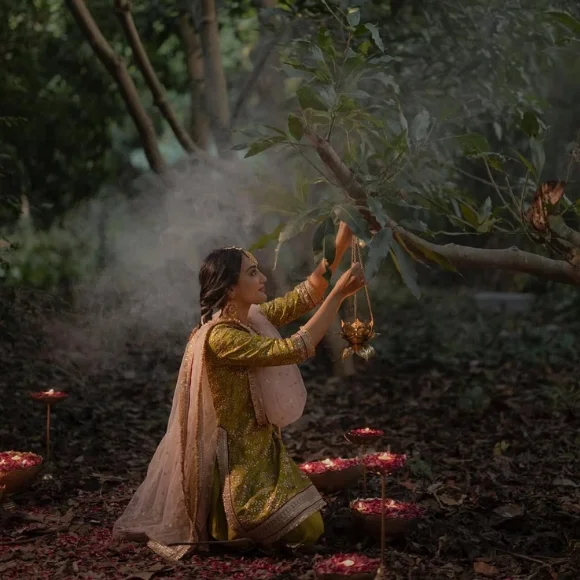
The Rise of Sustainable Weddings: Eco-Friendly Ideas That Look Stunning
The Rise of Sustainable Weddings: Eco-Friendly Ideas That Look Stunning
23 Jun , 2026
Here’s a number that quietly haunts the Indian wedding industry. The average Indian wedding generates over two tonnes of waste. Food, flowers, fabric, plastic, paper, packaging. By the morning after, almost all of it is sitting in a landfill or in a corner of the venue waiting to be cleared.
For years, this was just how weddings worked. Nobody talked about it. Nobody asked questions. The day was beautiful, everyone went home happy, and what happened next was someone else’s problem.
That’s changing now. At DB and Spaces, we’re seeing more and more couples walk in with a different kind of question. Can our wedding be beautiful without being wasteful? Can we celebrate without leaving a mess behind that takes years to break down? Can our day be both lavish and gentle on the planet at the same time?
The answer is yes, and the wedding doesn’t have to look any less stunning. In fact, the most beautiful weddings we’ve designed in the last two years have all leaned heavily into sustainability. Here’s how.
Let’s get this out of the way first, because it’s the assumption that puts most couples off the idea.
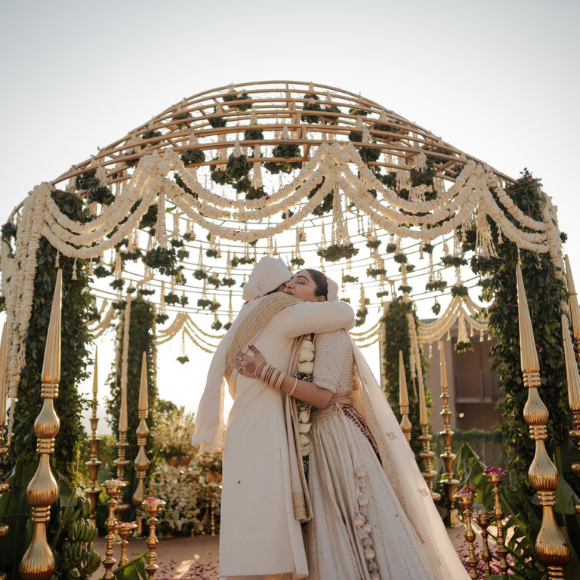
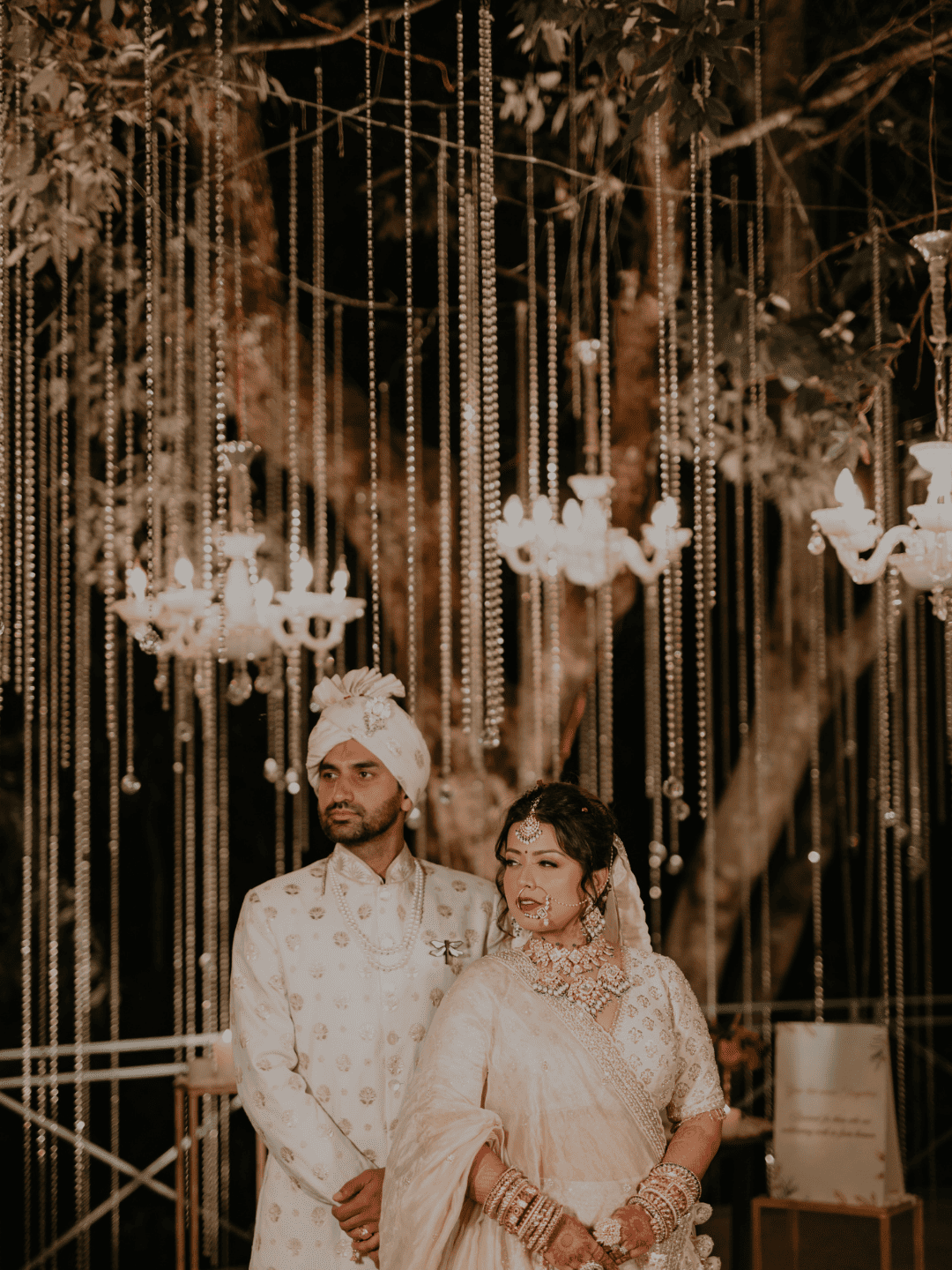
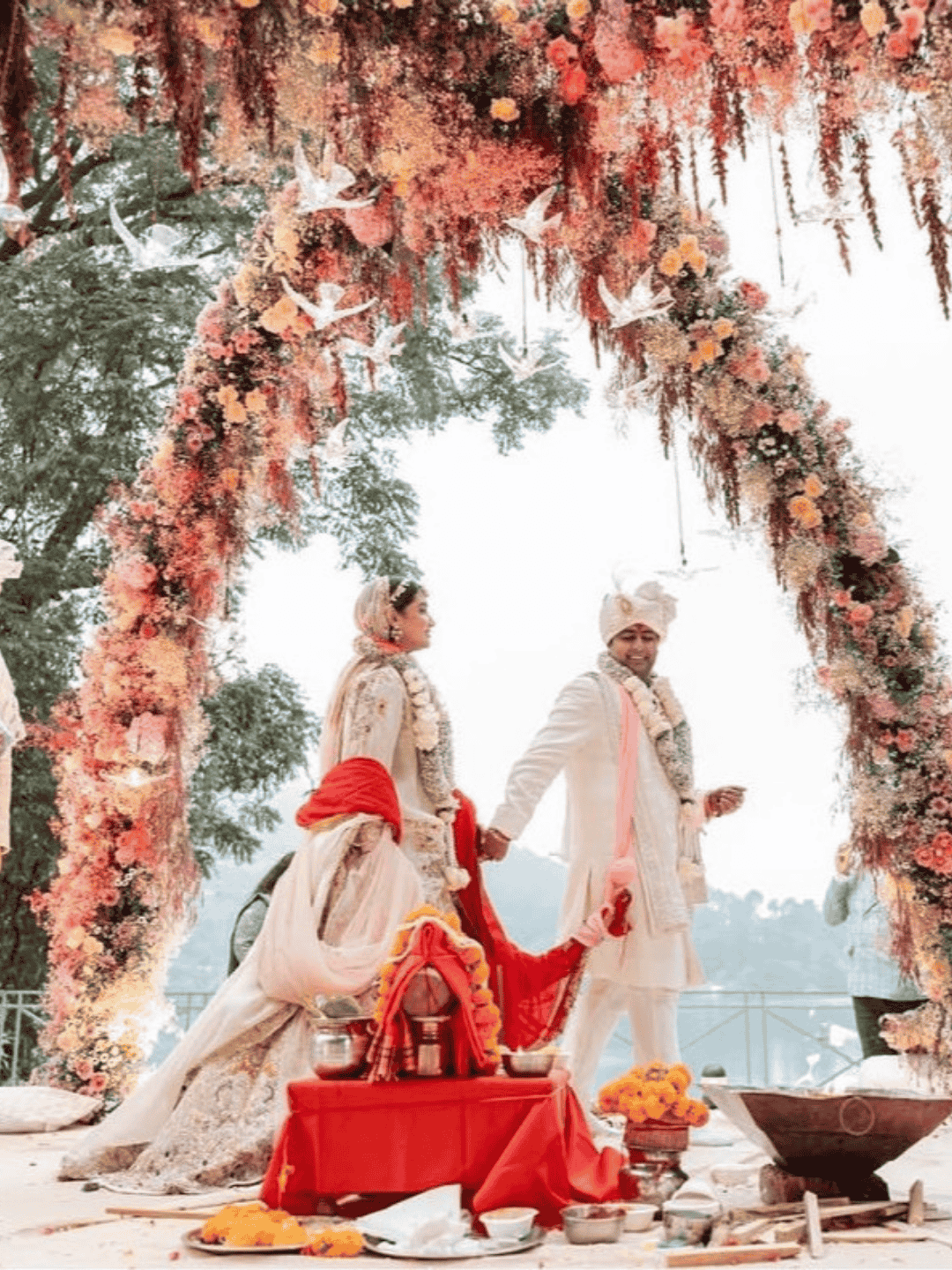
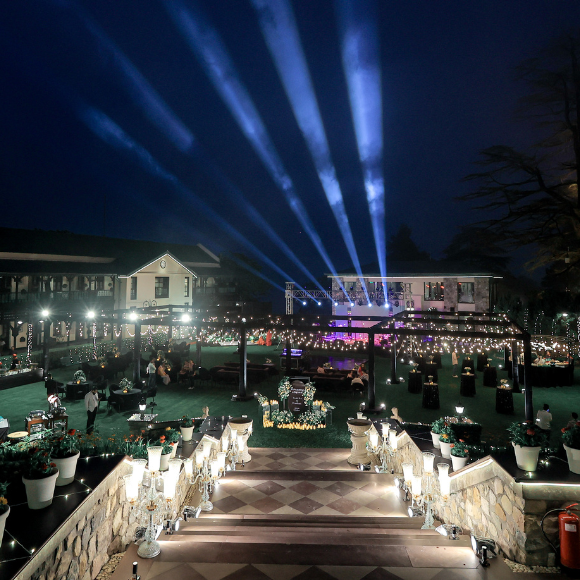
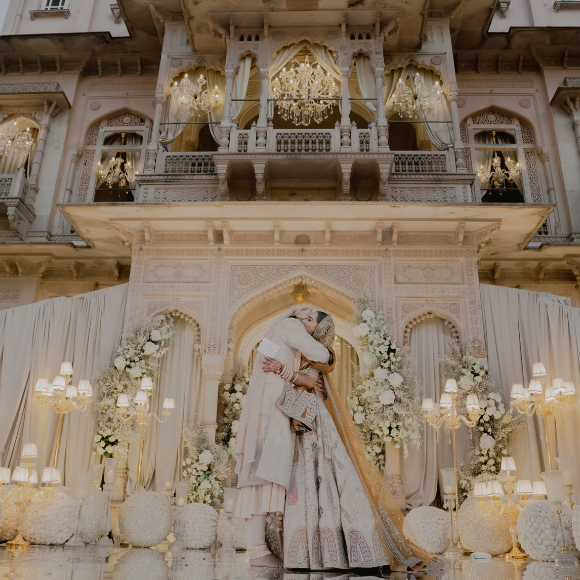
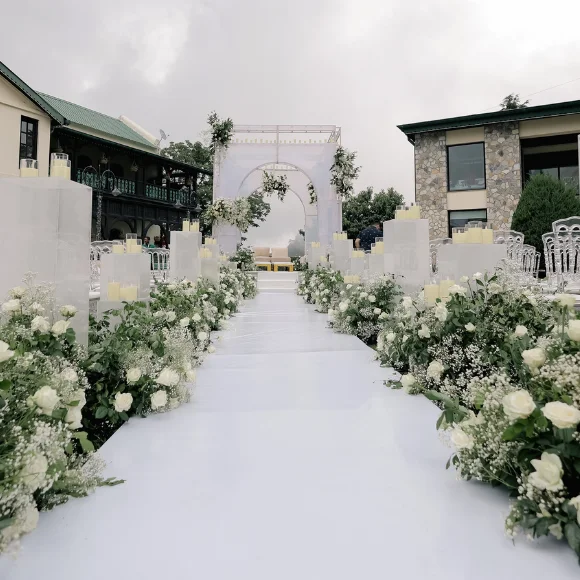
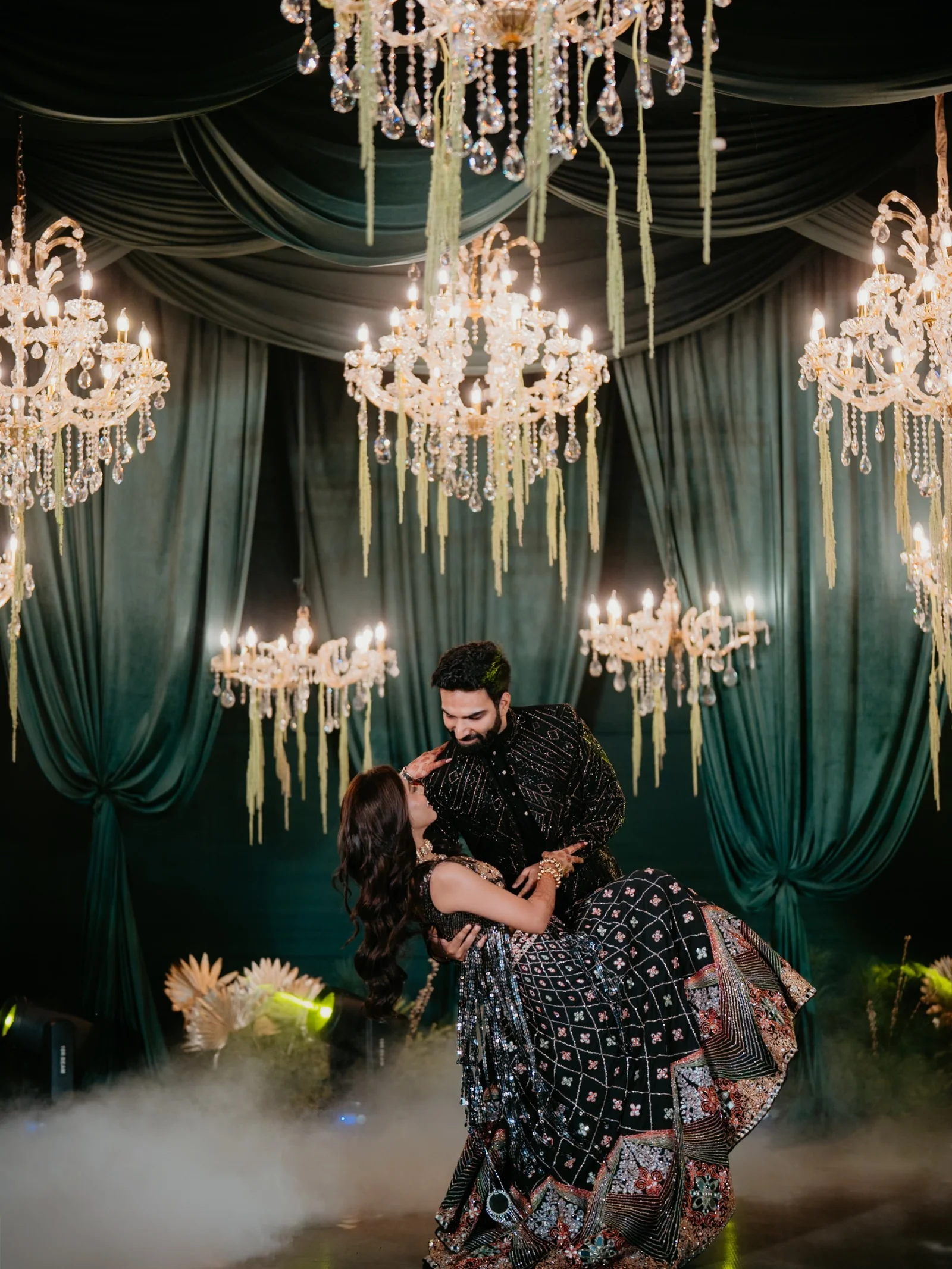
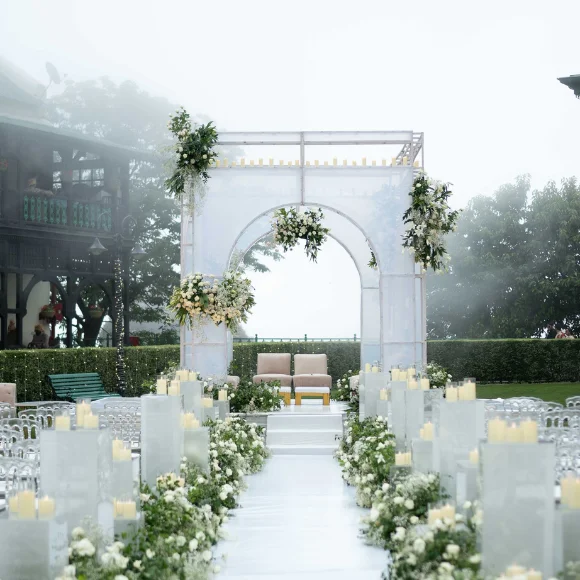
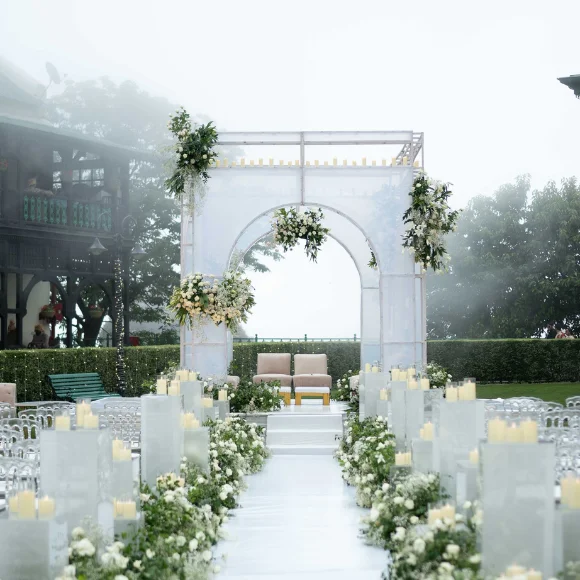
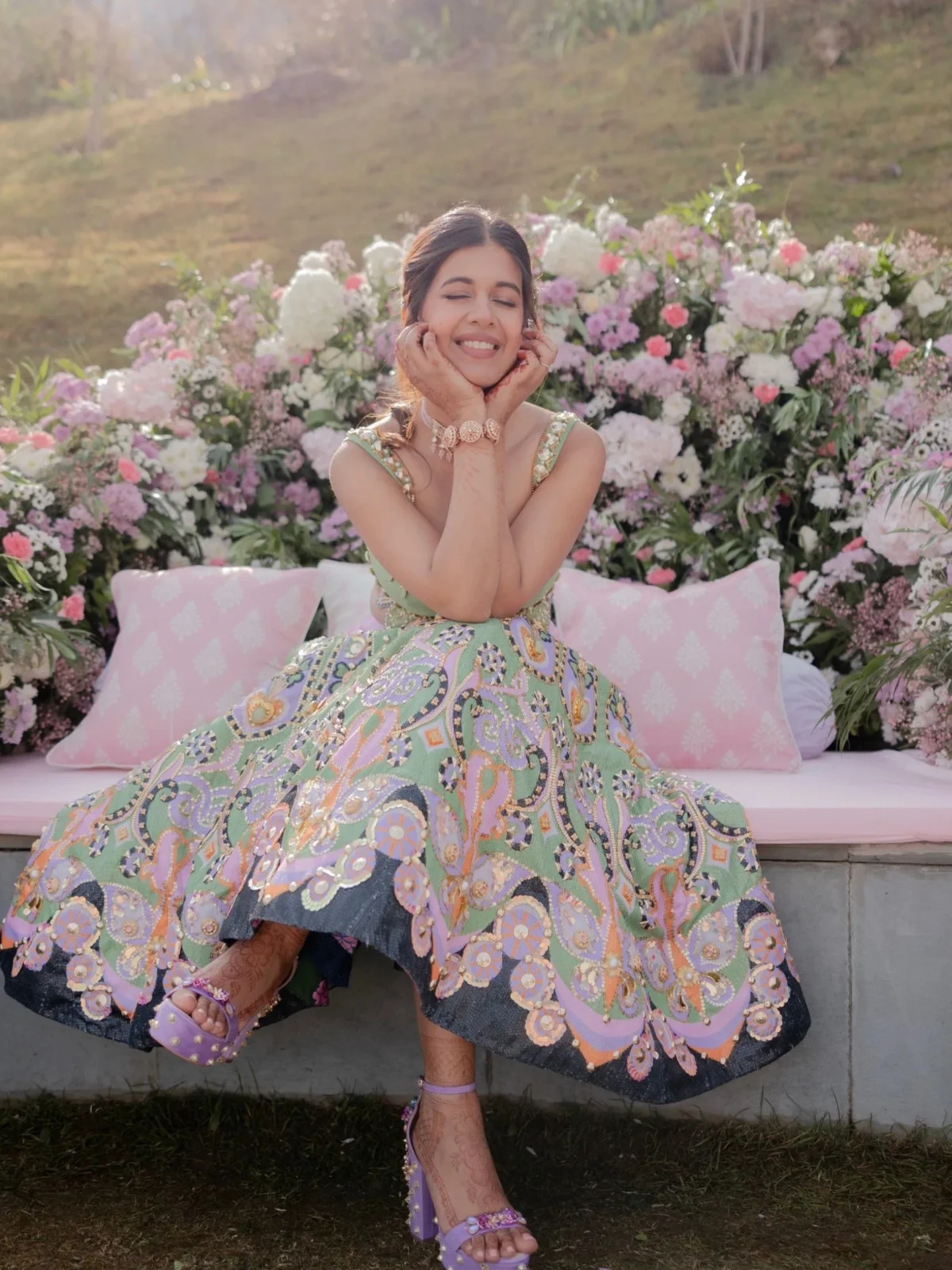
Sustainable weddings don’t have to look like a beach picnic. They don’t have to be jute, hessian, recycled paper signage, and mason jars. They can be every bit as luxurious, elegant, and visually rich as any traditional Indian wedding. The difference is in the materials and the methods, not the look.
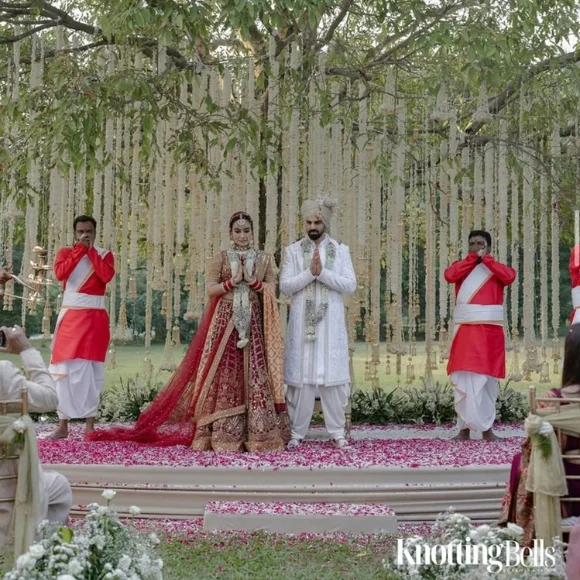
A floral installation made from locally grown blooms is not less beautiful than one flown in from Holland. A reusable copper mandap structure is not less elegant than a custom built one that gets demolished the next morning. A meal served on banana leaves and brass thalis is not less impressive than one served on disposable plates.
Sustainable is a values choice, not an aesthetic one. The aesthetic stays in your hands.
Before talking about solutions, it helps to know where the damage is being done. At Indian weddings, the four big offenders are flowers, food, single use décor, and gifts.
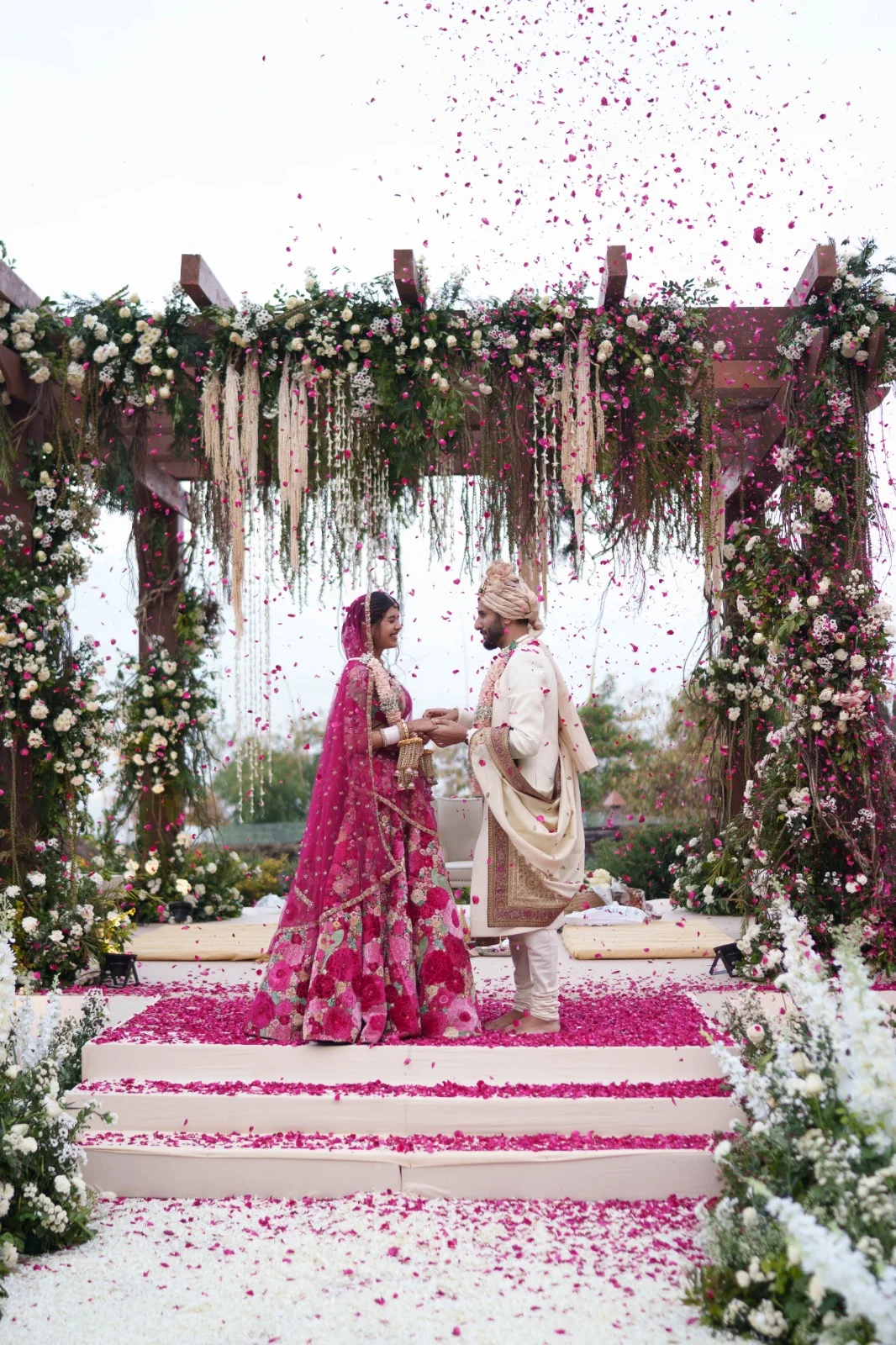
The flowers are the biggest visible problem. A single mid sized wedding can use over a thousand kilos of fresh flowers, and almost all of it goes to landfill within twenty four hours. The marigold strings, the rose petals on the aisle, the orchid centrepieces, everything.
The food is the silent problem. India wastes more food at weddings than almost anywhere else on earth. Overflowing buffets at midnight, untouched plates, leftover trays that get scraped into bins because there’s no plan for what happens next.
Single use décor is the structural problem. The fabric canopies, the thermocol props, the plastic flower backdrops. All built for one night, all dismantled and discarded by morning.
And gifts. Three hundred return gifts in plastic packaging, most of them never opened.
Now to the good part. Every one of these can be solved without making the wedding look any less beautiful.
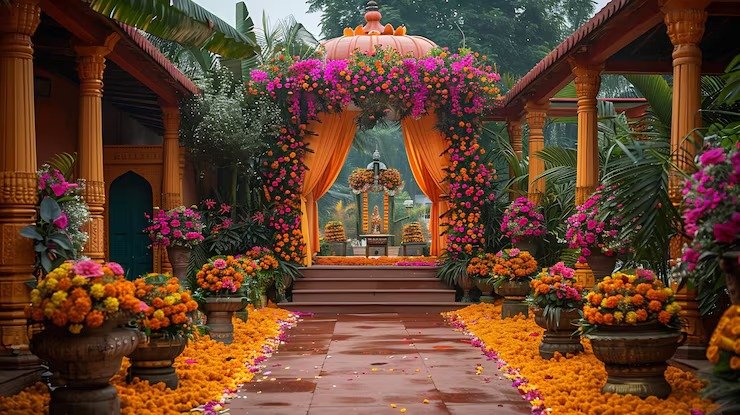
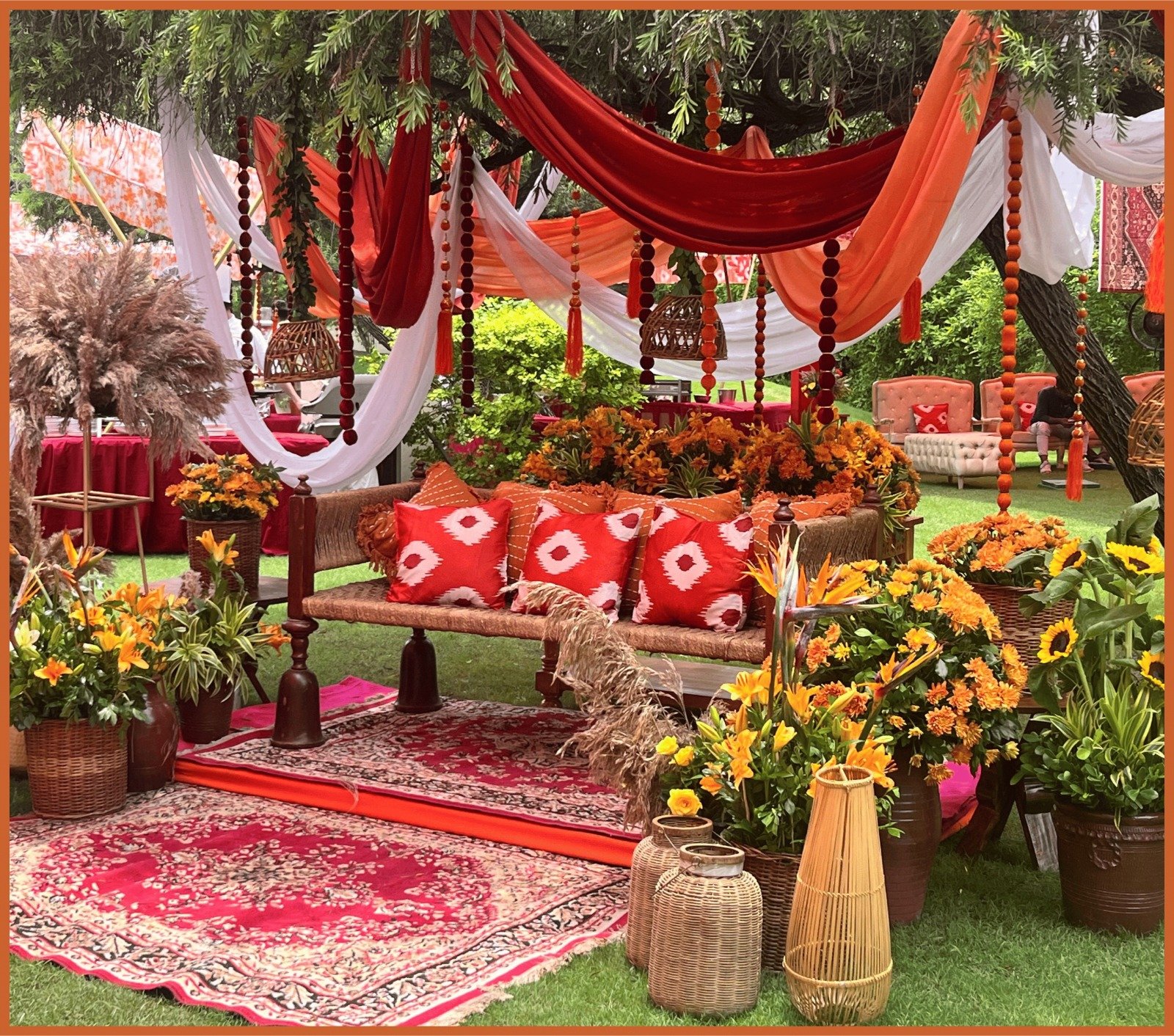
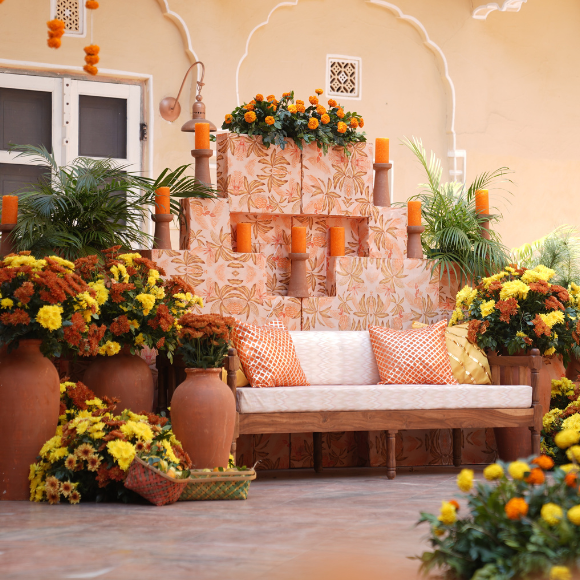
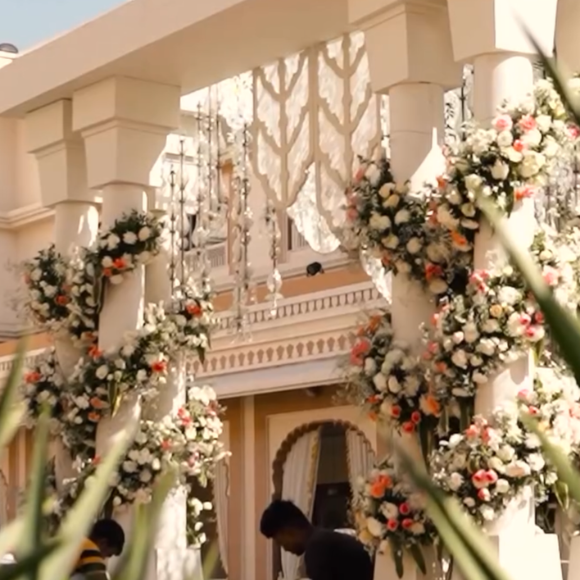
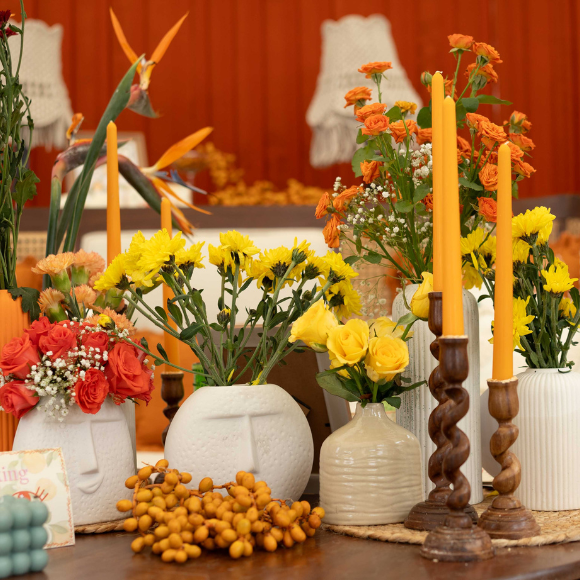
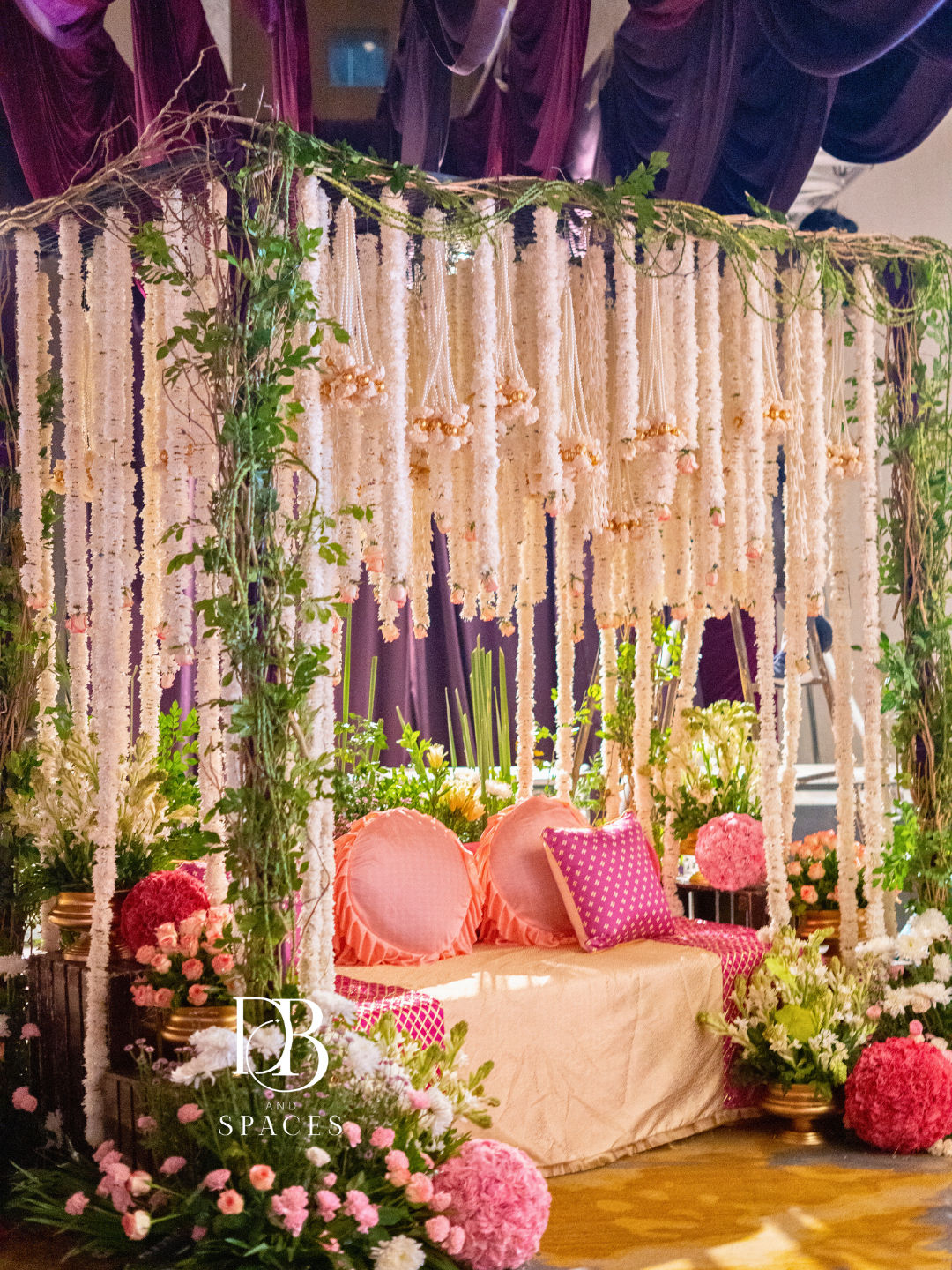
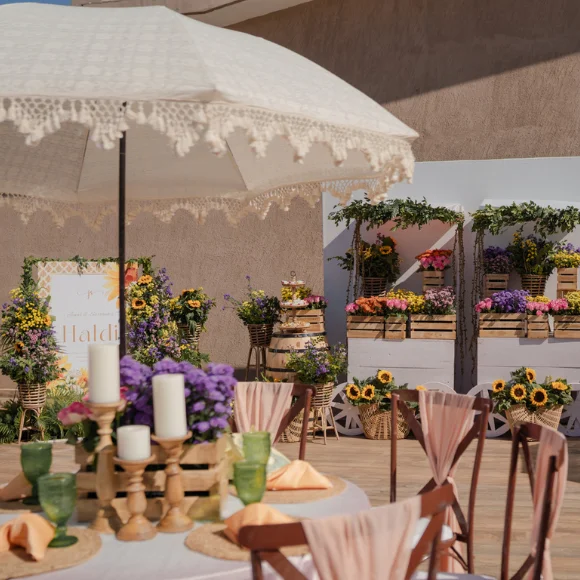
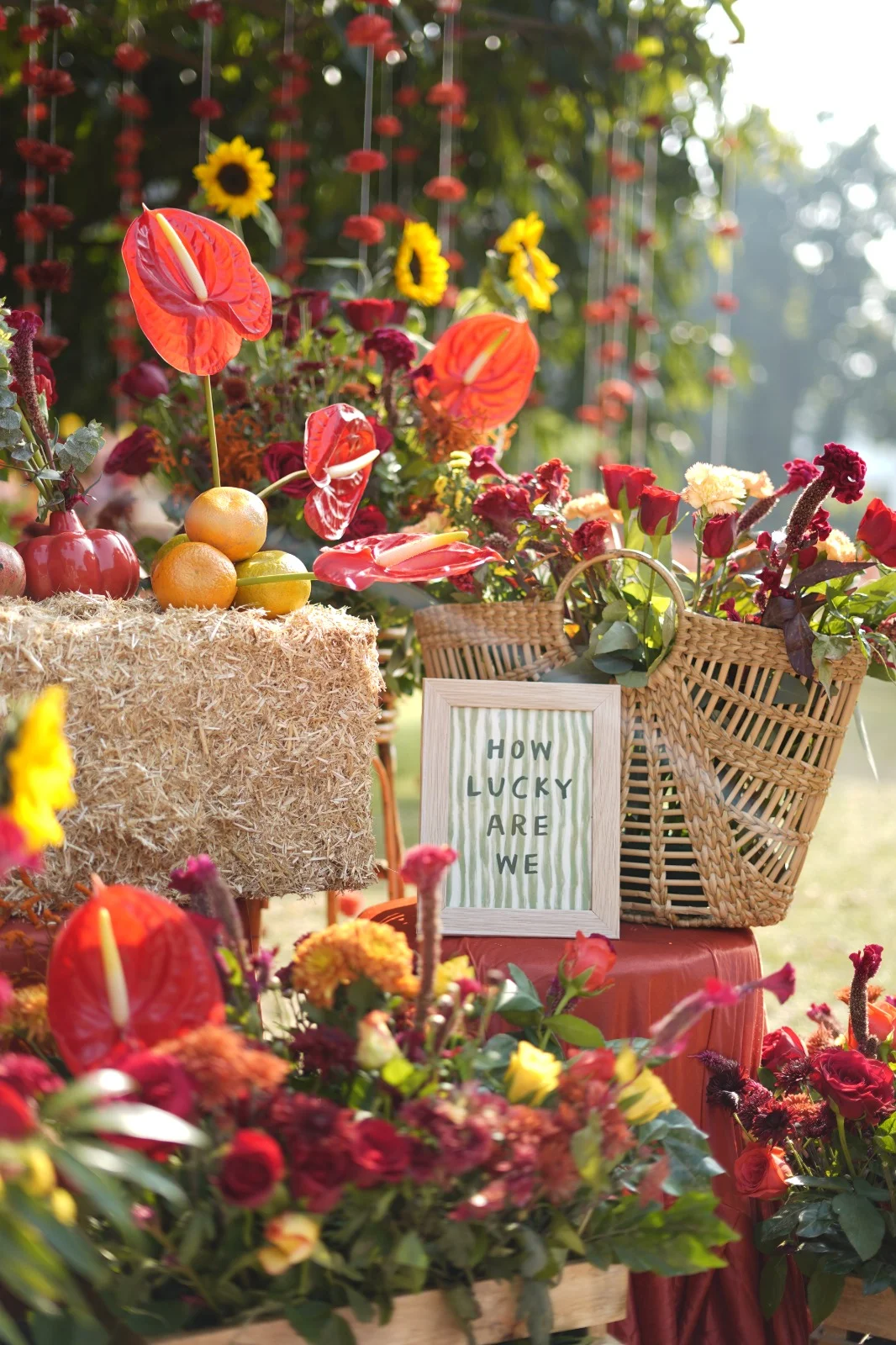
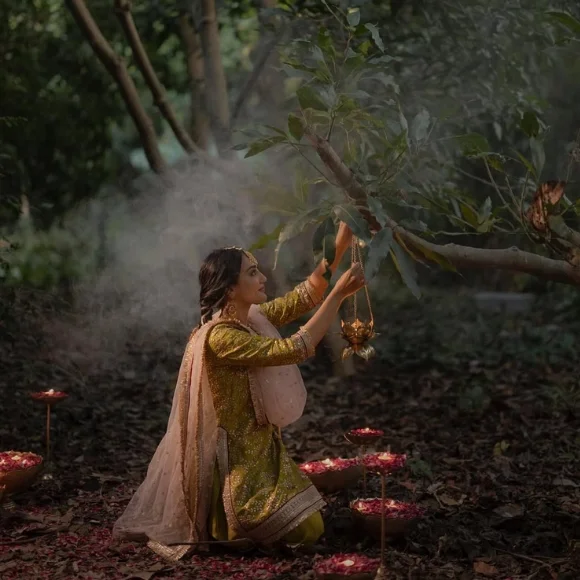
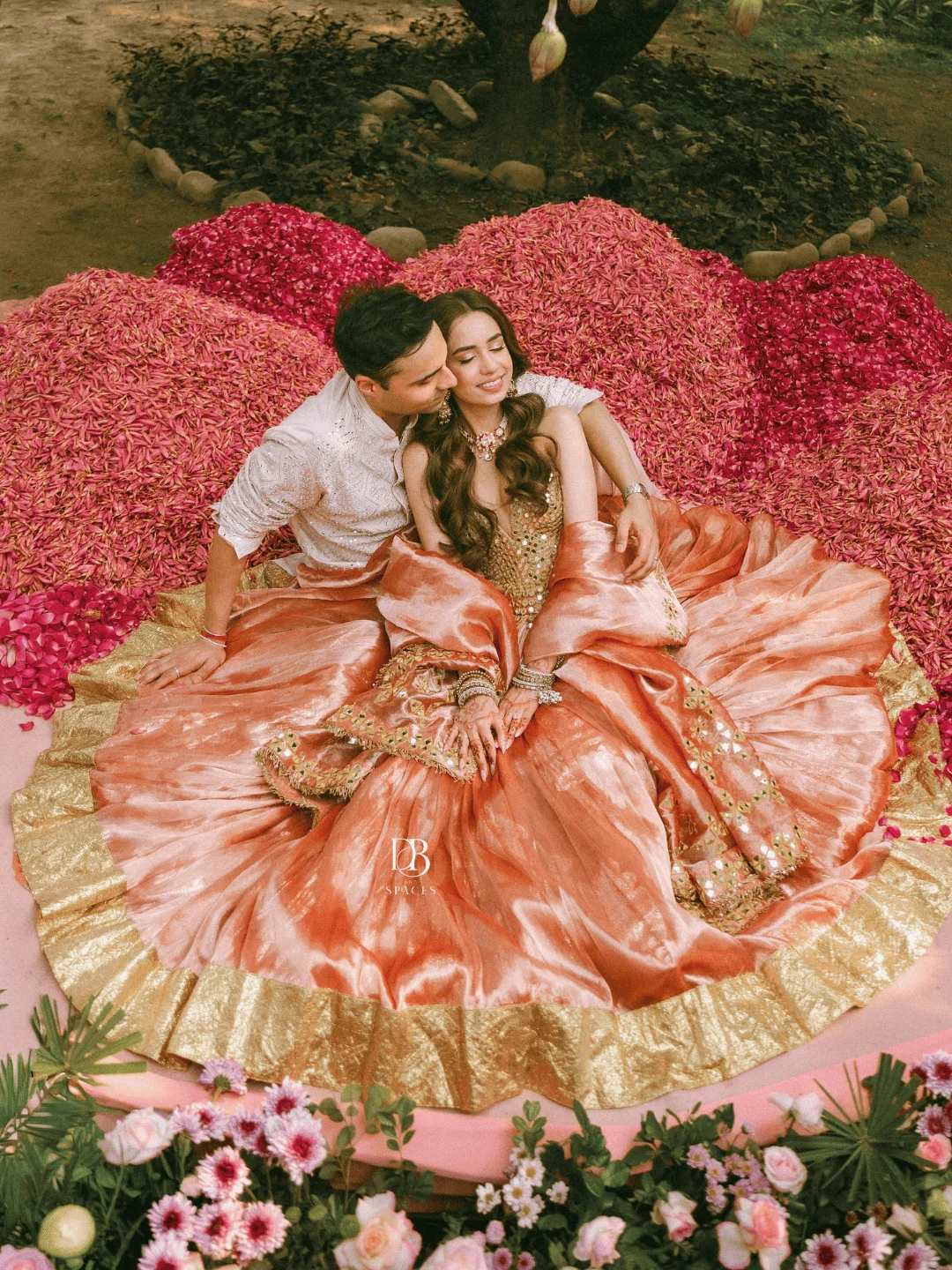
Switch to local, seasonal flowers. Marigolds, roses, jasmine, tuberose, lilies, sunflowers, hibiscus, all grown within a few hundred kilometres of your venue. They cost a fraction of imported blooms, they photograph more honestly, and their carbon footprint is a sliver of what flown in flowers carry.
Tie up with a floral recycling partner. Companies like Phool in India collect post event flower waste and turn it into incense and natural dyes. We now build this into every wedding we plan as a default. The couple doesn’t lift a finger. The flowers find a second life.
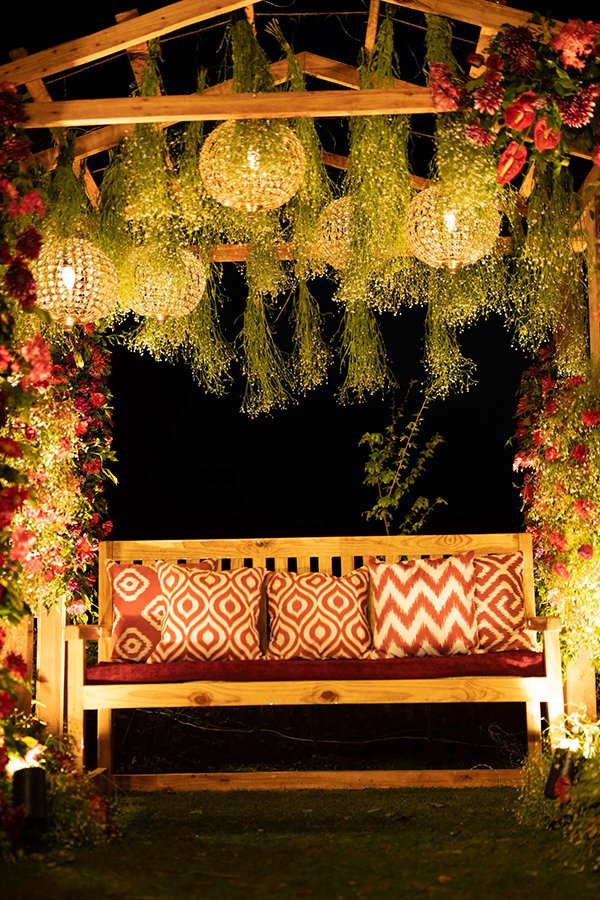
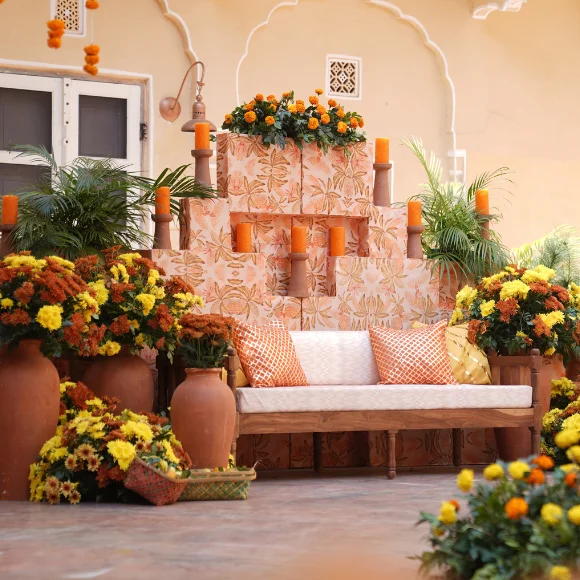
Use potted plants as part of the décor. Beautiful indoor plants in brass and terracotta pots can frame entryways, line aisles, and form stunning centrepieces. After the wedding, they go home with guests as living favours, or to the couple’s new home.
Design installations that use fewer flowers more dramatically. A single sculptural piece of two thousand stems looks more striking than ten thousand stems spread thinly across the venue. Less material, more impact.
Sit down meals and curated stations waste dramatically less than open buffets. Guests take what they actually want to eat instead of overfilling plates that end up in the bin.
Partner with a food rescue organisation before the wedding, not after. Robin Hood Army, Feeding India, and similar groups will collect untouched leftover food on the same night and distribute it to people who need it. This needs ten minutes of coordination, no extra cost, and saves hundreds of meals per wedding.
Steel and copper thalis instead of disposables. Cloth napkins instead of paper. Glass bottles for water rather than plastic. None of these compromise the experience, all of them dramatically reduce waste.
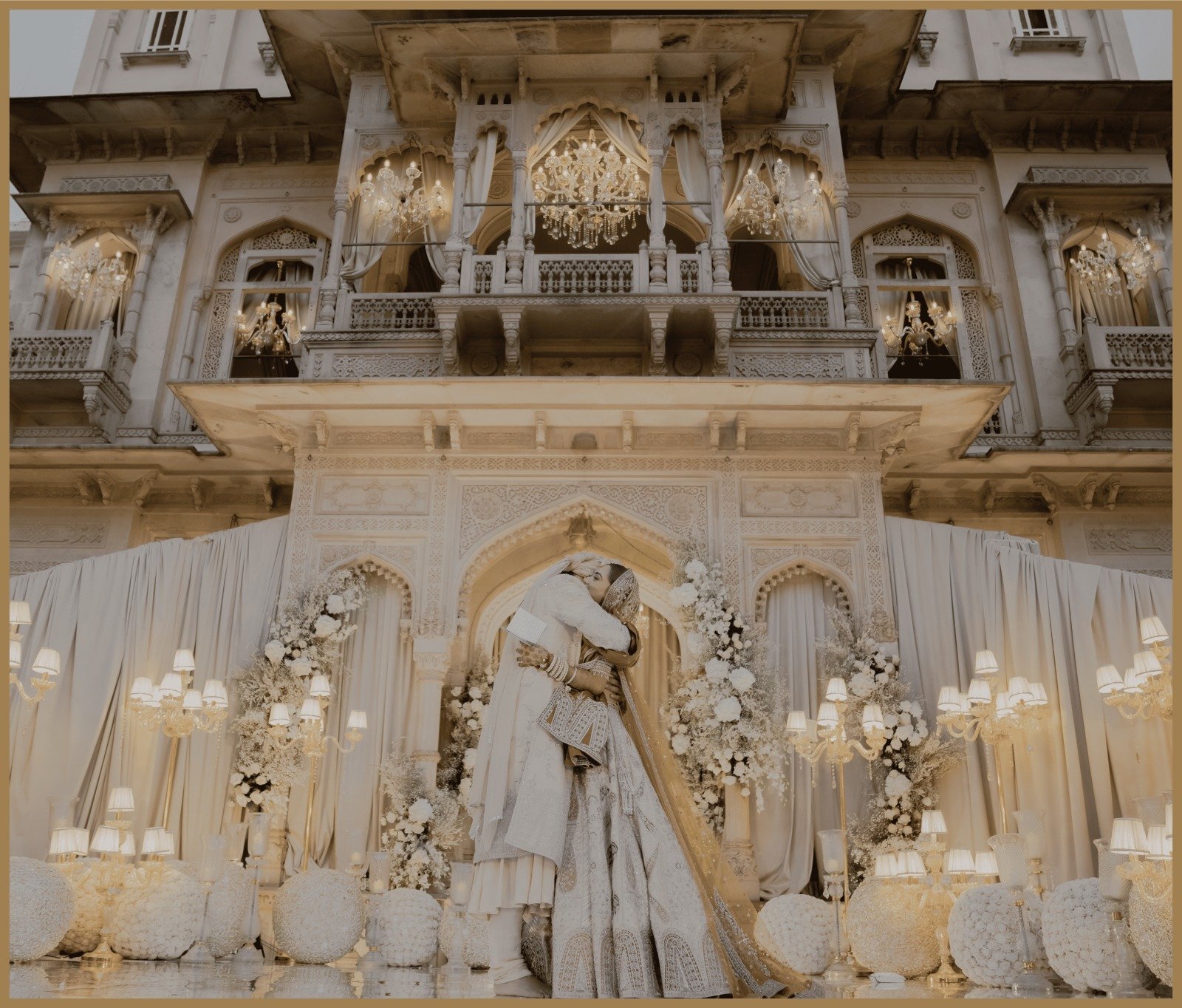
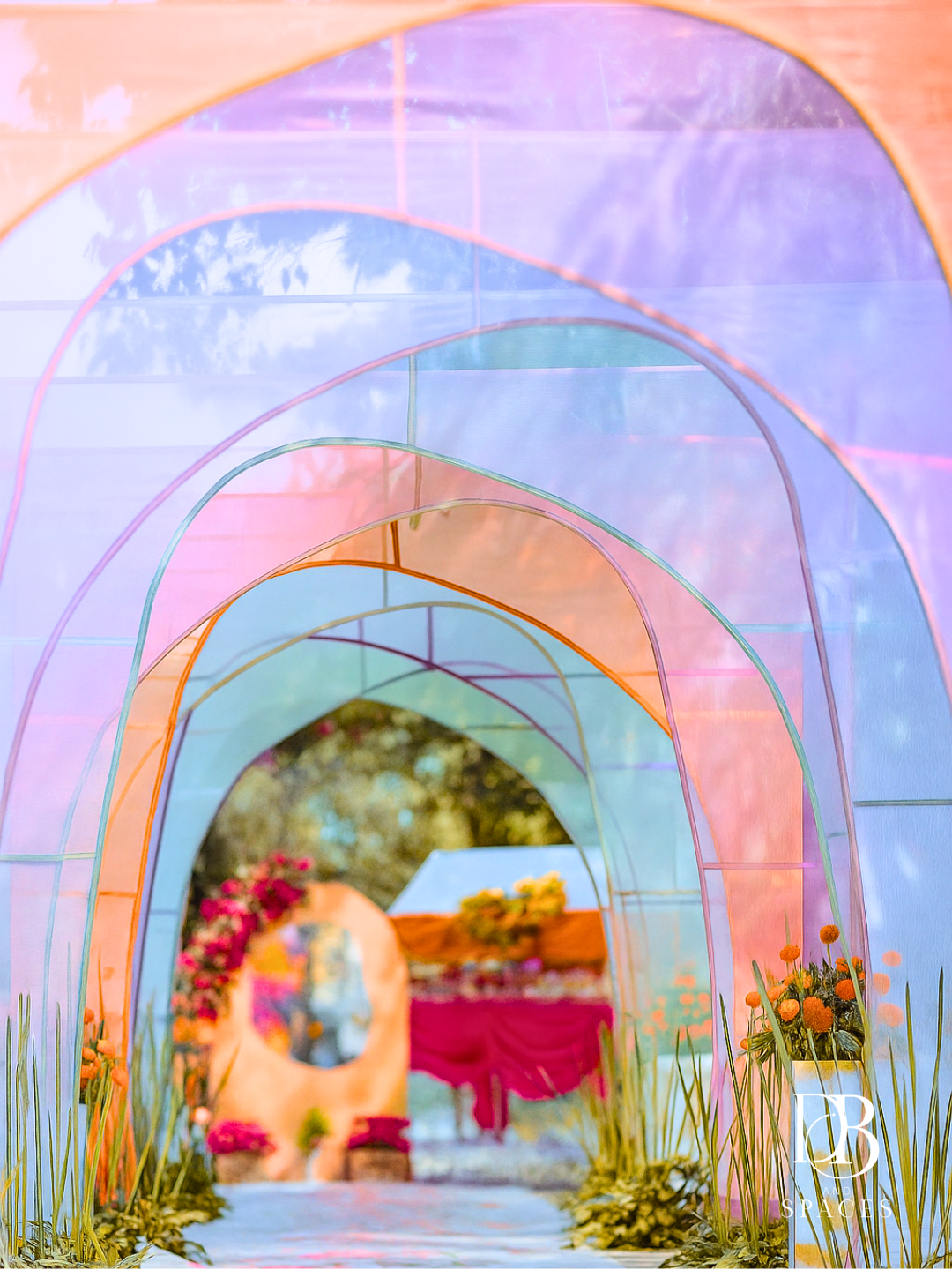
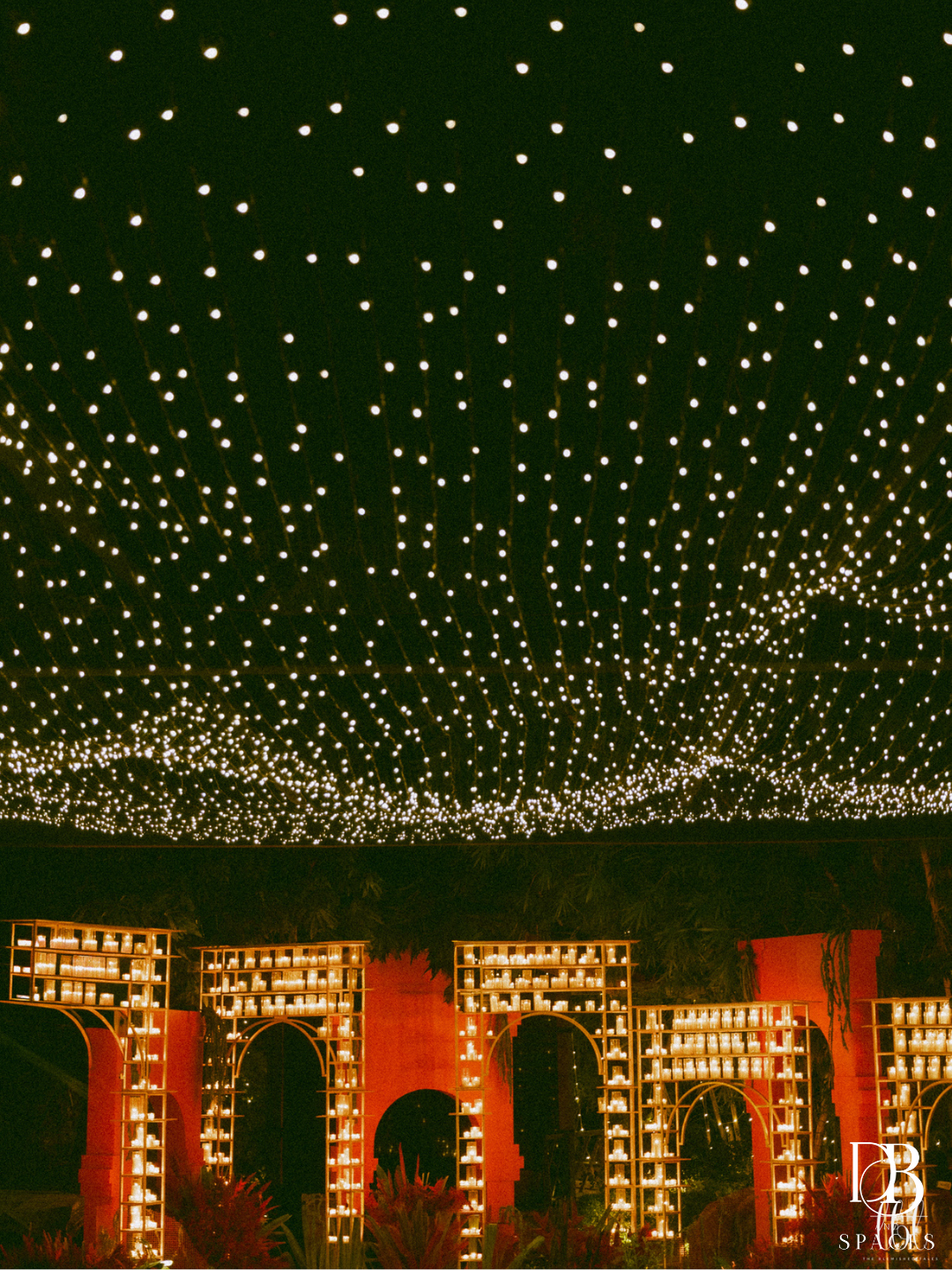
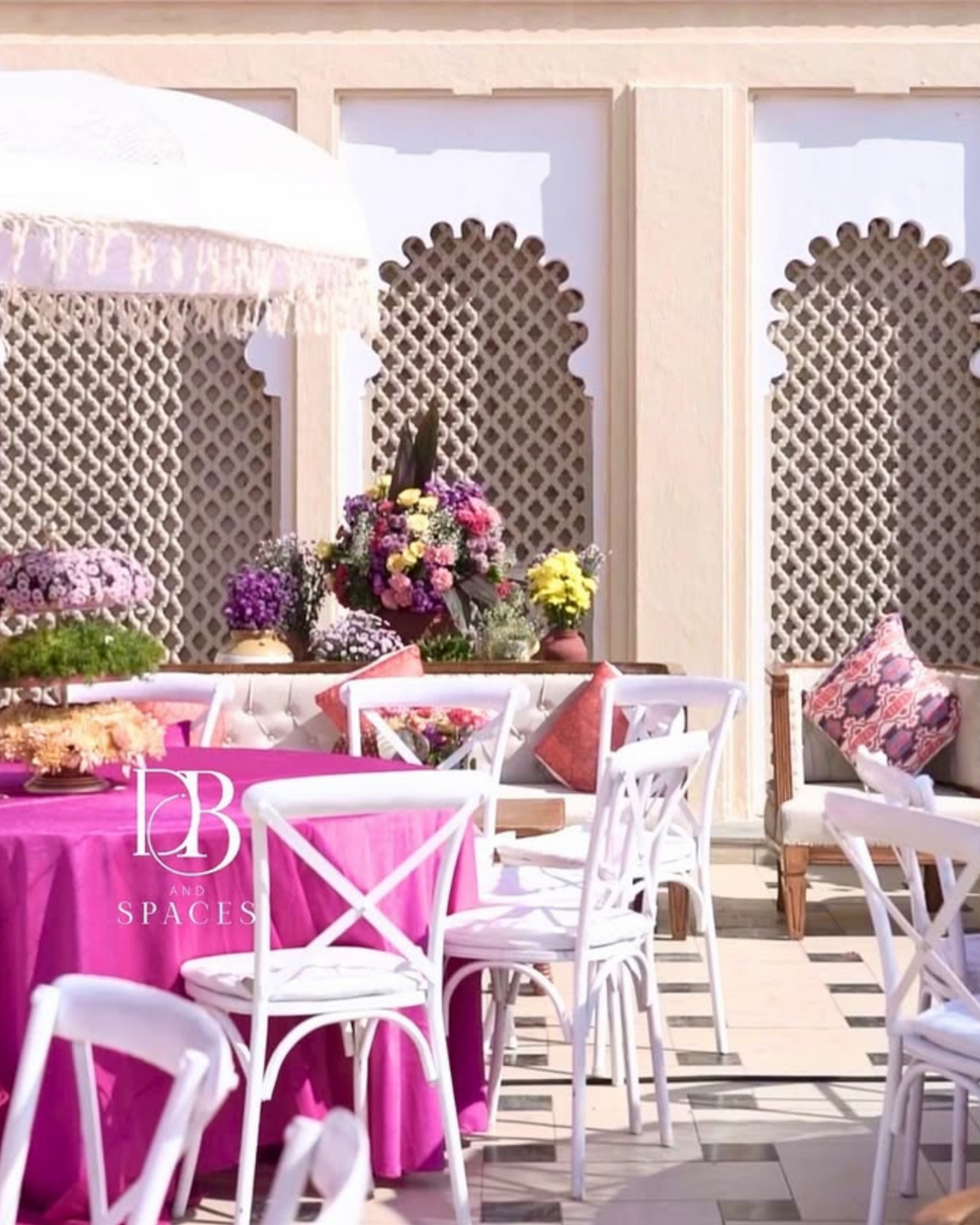
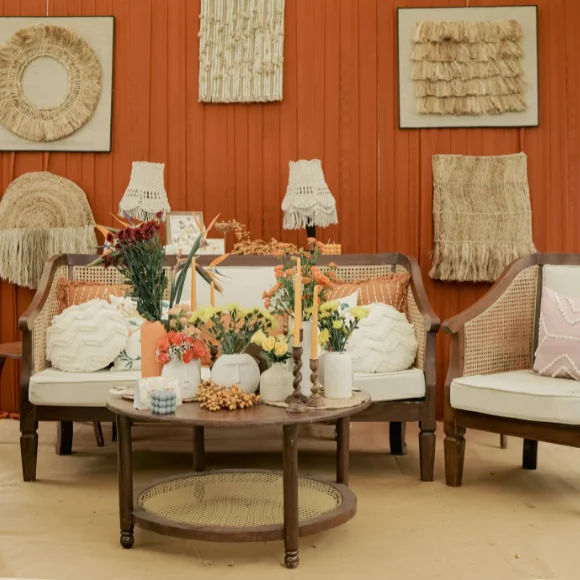
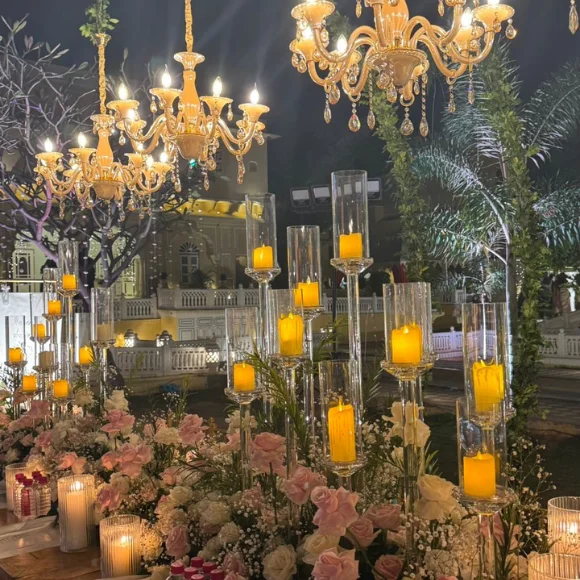
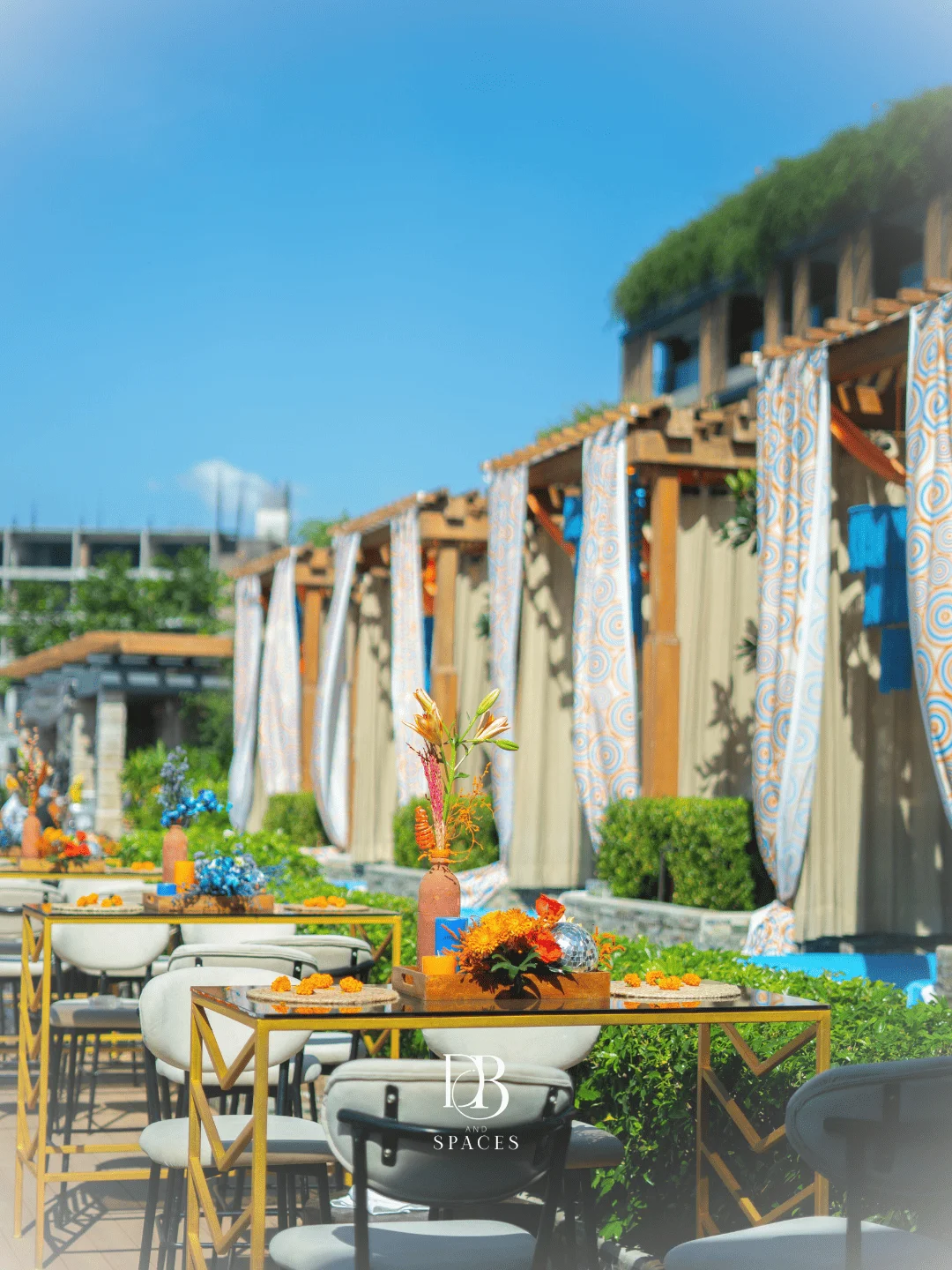
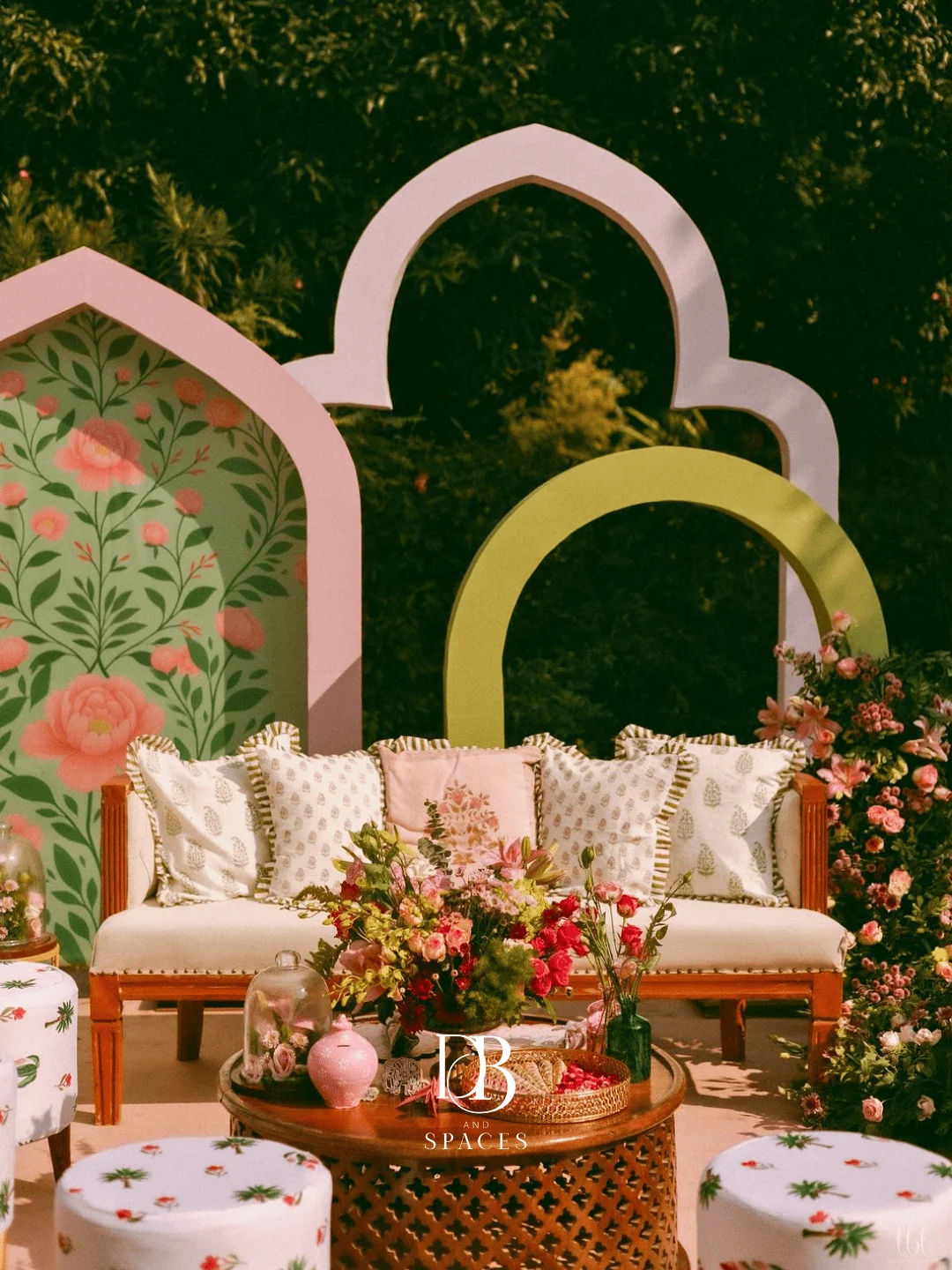
This is where the biggest aesthetic gains live. Modular mandap structures, fabric backdrops, brass and copper props, lighting fixtures, lounge furniture, all of these can be rented and reused across many weddings instead of being custom built and demolished.
Rental décor companies have come a long way in India. The pieces are gorgeous, the variety is real, and the rentals work out cheaper for the couple too. We default to rental for every minimalist and modern wedding we design at DB and Spaces.
For one off statement pieces, work with vendors who use sustainable materials. Wood that’s been certified responsibly sourced. Fabric that’s natural, dyeable, and reusable. Paper that’s recycled or seed embedded.
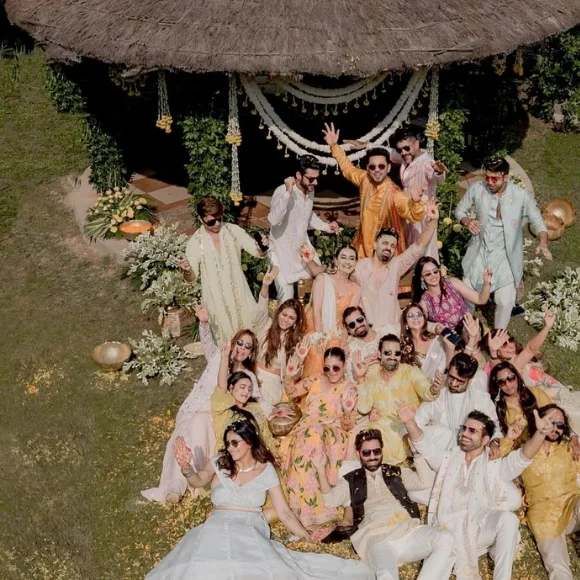
The lehenga is the lehenga. We’re not going to suggest you wear something rented for your wedding day. But for the sangeet and mehendi, renting outfits or wearing heirloom pieces from your mother and grandmother is having a real moment. It’s beautiful, it’s meaningful, and it dramatically reduces the fabric waste of a wedding week.
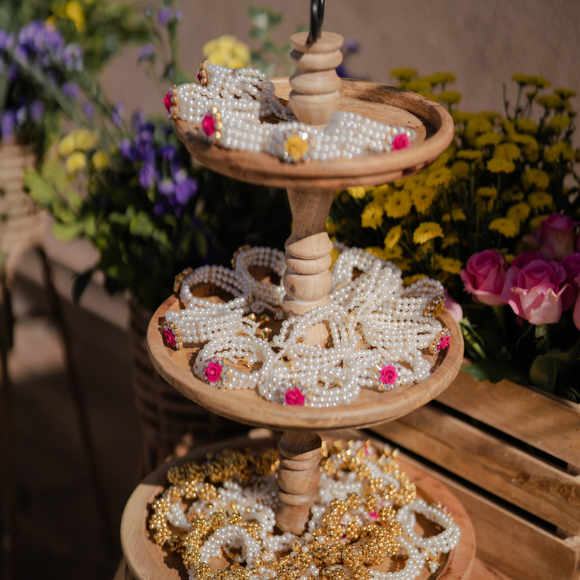
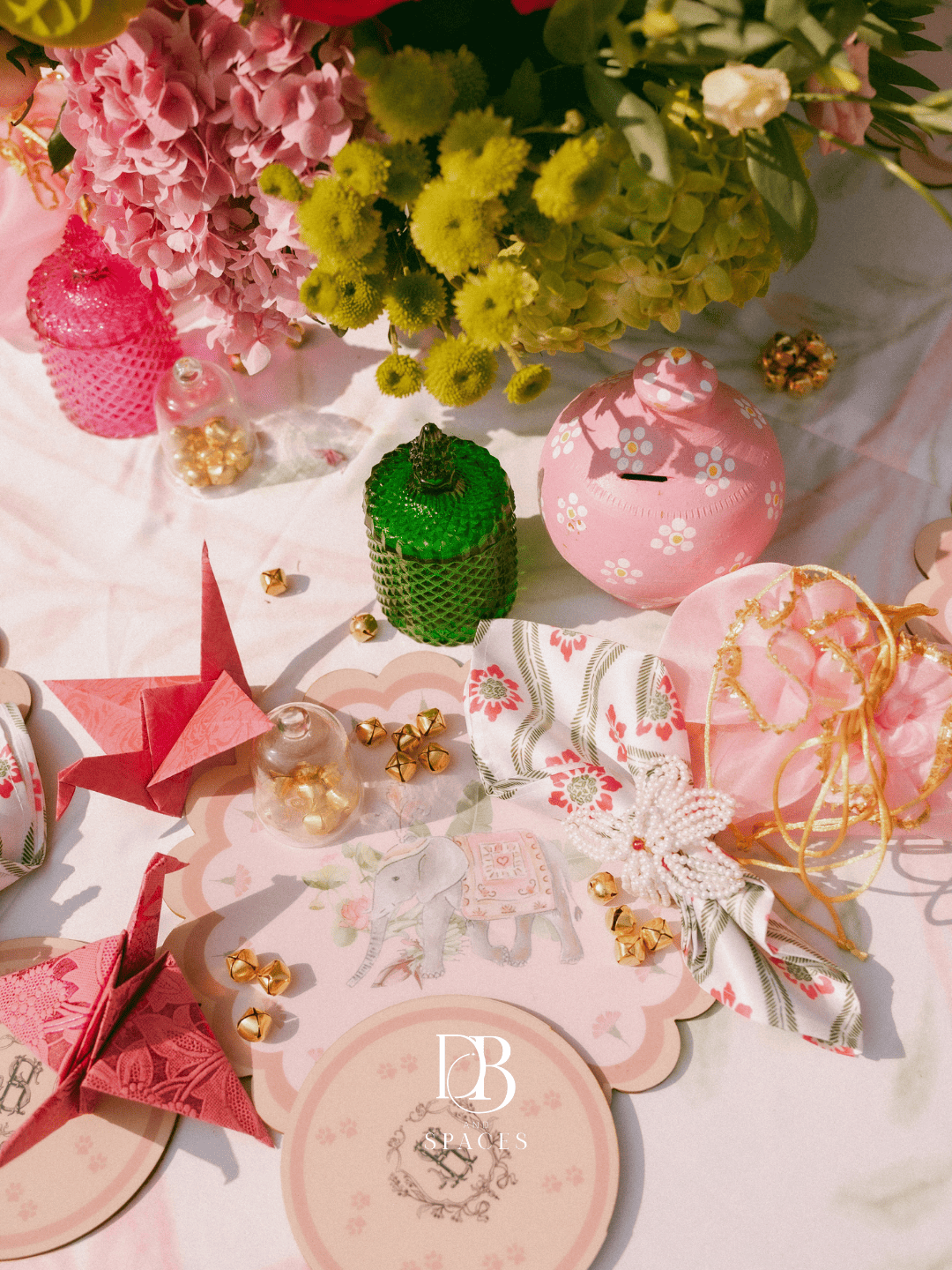
For favours, choose things that are useful and not packaged in plastic. Edible favours like jars of homemade pickle or chocolate. Plantable seed cards. A donation to a charity in each guest’s name. Small potted herbs. The bar for a memorable favour is so low that almost anything thoughtful exceeds it.
Send digital invites to most of your guest list and reserve printed ones for close family. Choose recycled or handmade paper for the printed cards. Skip the elaborate boxes that get thrown out the same day.
The single biggest sustainability decision in your wedding is who you hire. A planner, decorator, or caterer who genuinely cares about sustainability will make a hundred small decisions on your behalf that add up to enormous difference. The same team without that lens will default to wasteful choices simply out of habit.
Ask vendors directly. What do you do with leftover flowers? Where does food waste go? Do you reuse your décor? Their answers will tell you whether they belong in your wedding.
We’ve quietly built sustainability into the way we plan every wedding now, whether or not the couple specifically asks for it. Floral recycling tie ups, food rescue coordination, rental first décor philosophy, local seasonal sourcing. These are no longer the “eco friendly” option. They’re just the way we work.
If you want a wedding that’s stunning, soulful, and doesn’t leave a mountain of waste behind, come talk to us. The most beautiful weddings we’ve ever designed have also been the gentlest ones.
DB and Spaces. Beautiful weddings. Lighter footprints.
Recent Post
Any Query? Reach Us
Follow our latest stories.

 (1).webp "https://dbandspaces.com/storage/blogs/1792063061-compressed_DB Spaces Blog Cover (Sept) (1).webp")