Have Query ? Reach Out Us!


Have Query ? Reach Out Us!
Minimalist Indian Weddings: Less Decor, More Meaning
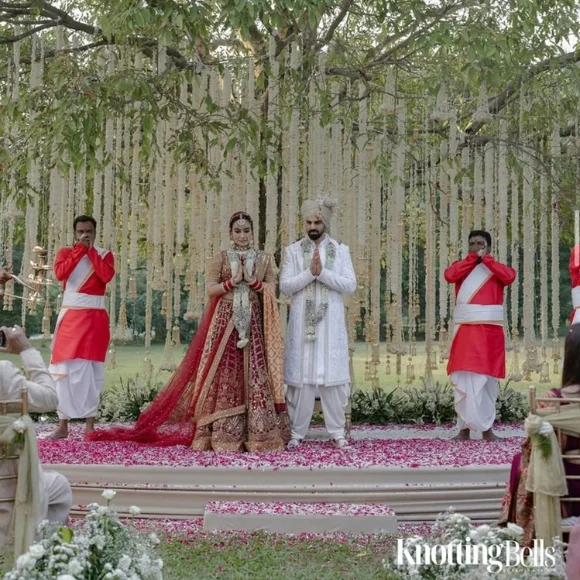
Minimalist Indian Weddings: Less Decor, More Meaning
22 Jun , 2026
Something interesting is happening in Indian weddings right now. Couples are walking into our office asking for something we hardly ever heard a decade ago. Less. Less décor. Less drama. Less of everything that the wedding industry has trained an entire generation to expect.
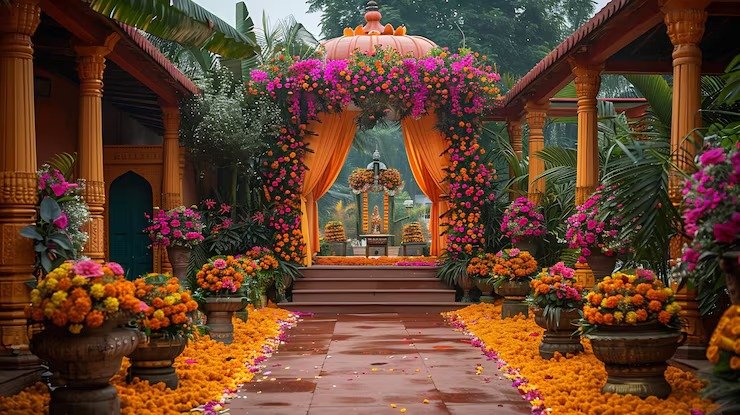
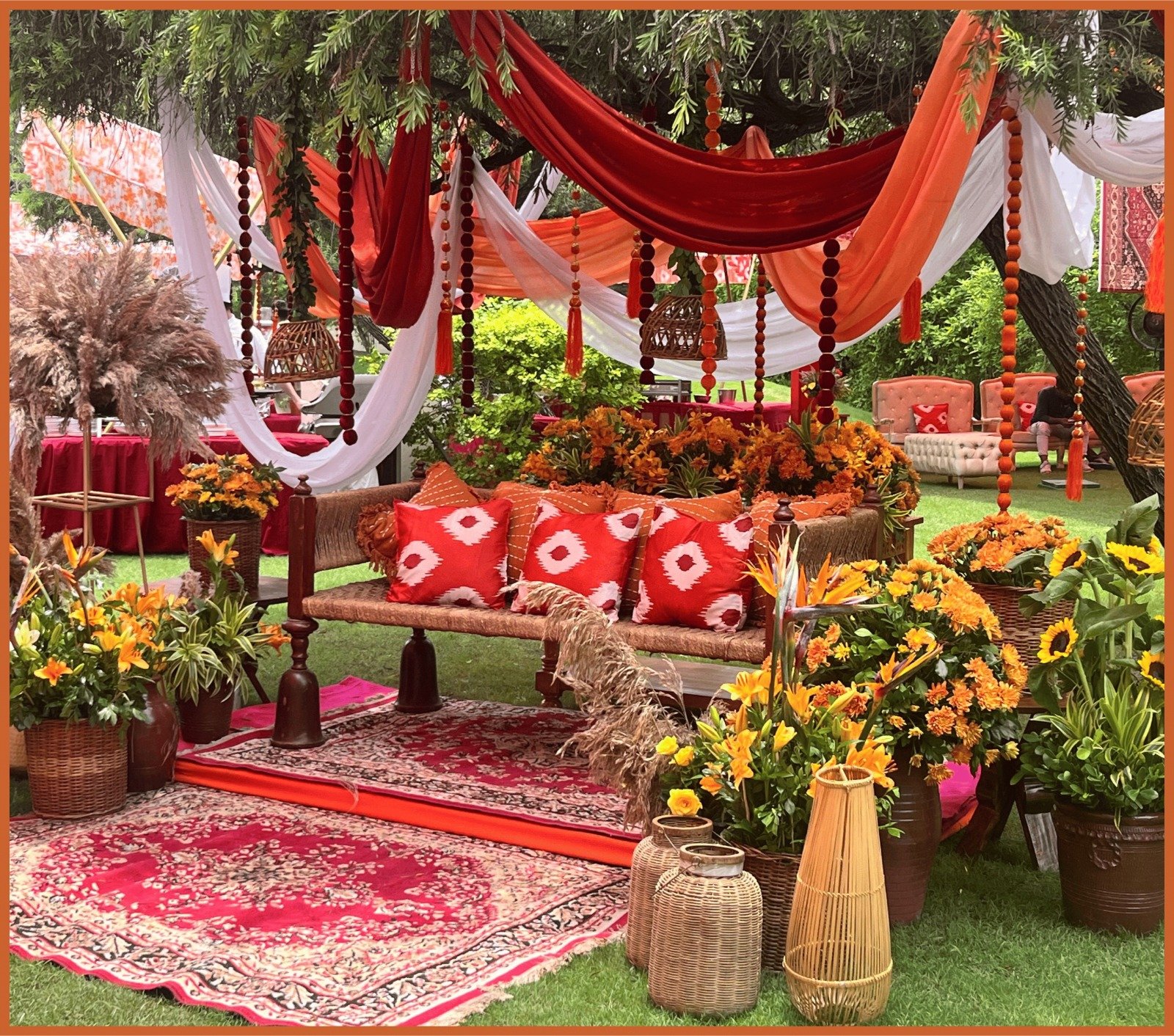
At first, this surprised us. The Indian wedding has always been a maximalist affair. Marigolds piled to the ceiling. Mandaps dripping in roses. Lights everywhere, fabric everywhere, gold everywhere. It’s our cultural language of celebration, and for a long time, more was simply the only option.
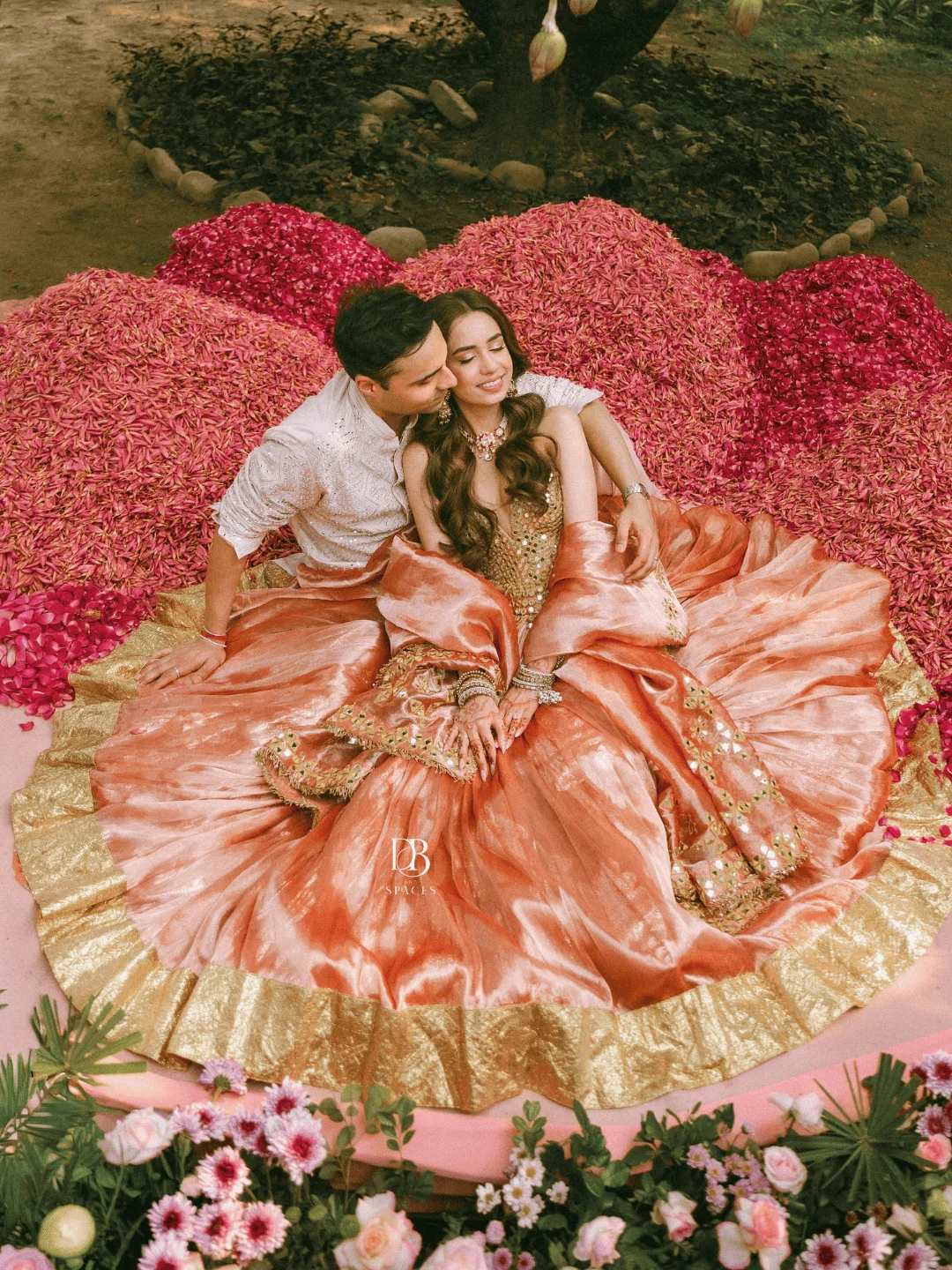
But over the last few years at DB and Spaces, we’ve seen a steady, quiet shift. Couples who want a wedding that feels like them, not like a film set. Couples who want guests to remember the moments, not the props. Couples who, when given the choice between a hundred orchid centrepieces and a single stunning installation, choose the one.
This is the rise of the minimalist Indian wedding. And it isn’t what most people think.
Let’s clear this up first. A minimalist wedding is not a cheap wedding. It is not a sparse wedding. It is not a wedding where you’ve cut corners and hope nobody notices.
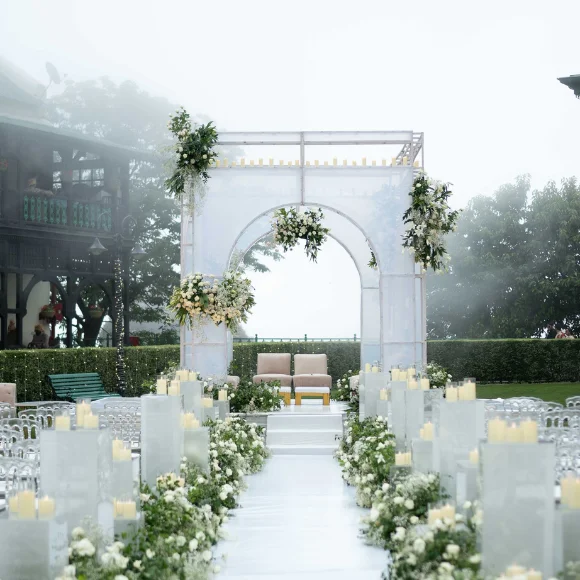
A minimalist wedding is one where every single element has been chosen with intention. Where the things that are there are exceptional, and the things that aren’t there are missing on purpose. Where the design rests, breathes, and lets the people in the room be the focus.
Done well, minimalist weddings often cost almost the same as maximalist ones. The money just shifts. Less on quantity, more on quality. Less on a hundred small things, more on a few extraordinary ones.
The reasons couples come to us asking for minimalism are remarkably consistent.
They’ve been to enough weddings to know that the décor blurs after the first ten. They want their wedding to feel different, not by trying harder but by trying less.
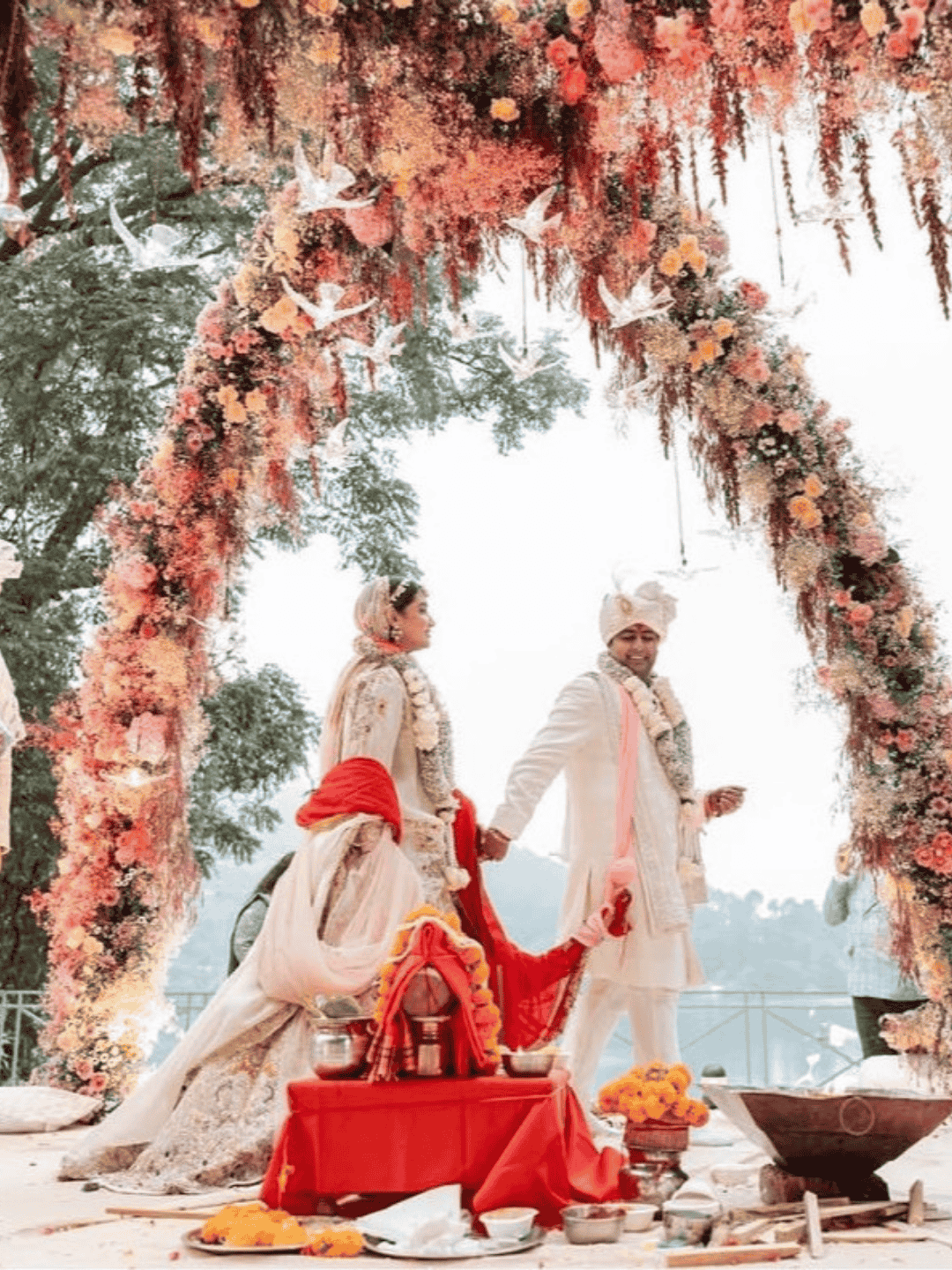
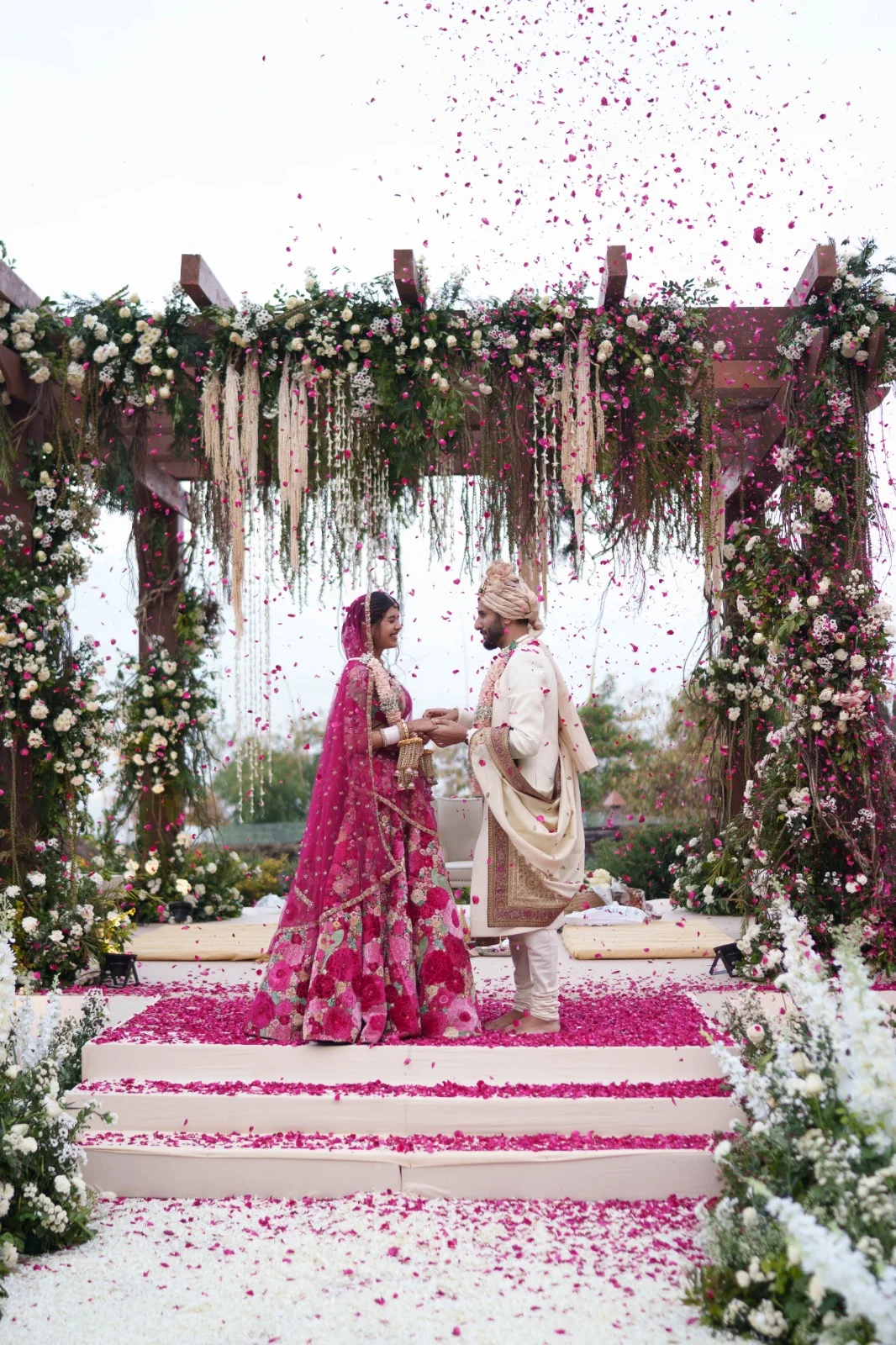
They want their rituals seen. In a maximalist setup, the pheras can sometimes feel buried under décor and lights and movement. In a minimalist one, the fire is the centre of attention, exactly as it was always meant to be.
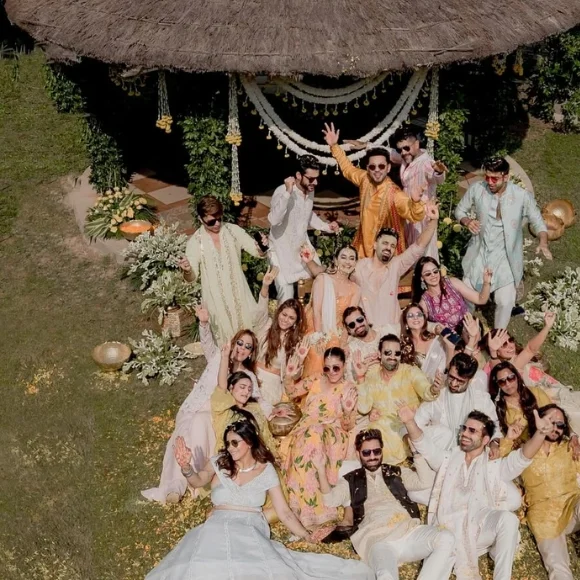
They want their guests to be present, not overwhelmed. There’s a tiredness that sets in at over decorated weddings. The eye doesn’t know where to rest. The minimalist wedding gives guests room to actually be at the wedding.
They want to spend their money on things that last. The photographer. The food. The honeymoon. The first home. Not on three hundred flower arrangements that will be in the dustbin by morning.
Minimalism in Indian weddings is harder to do than maximalism, not easier. With maximalism, you can hide mistakes behind more. With minimalism, every choice is exposed.
Here are the principles we follow at DB and Spaces when designing one.
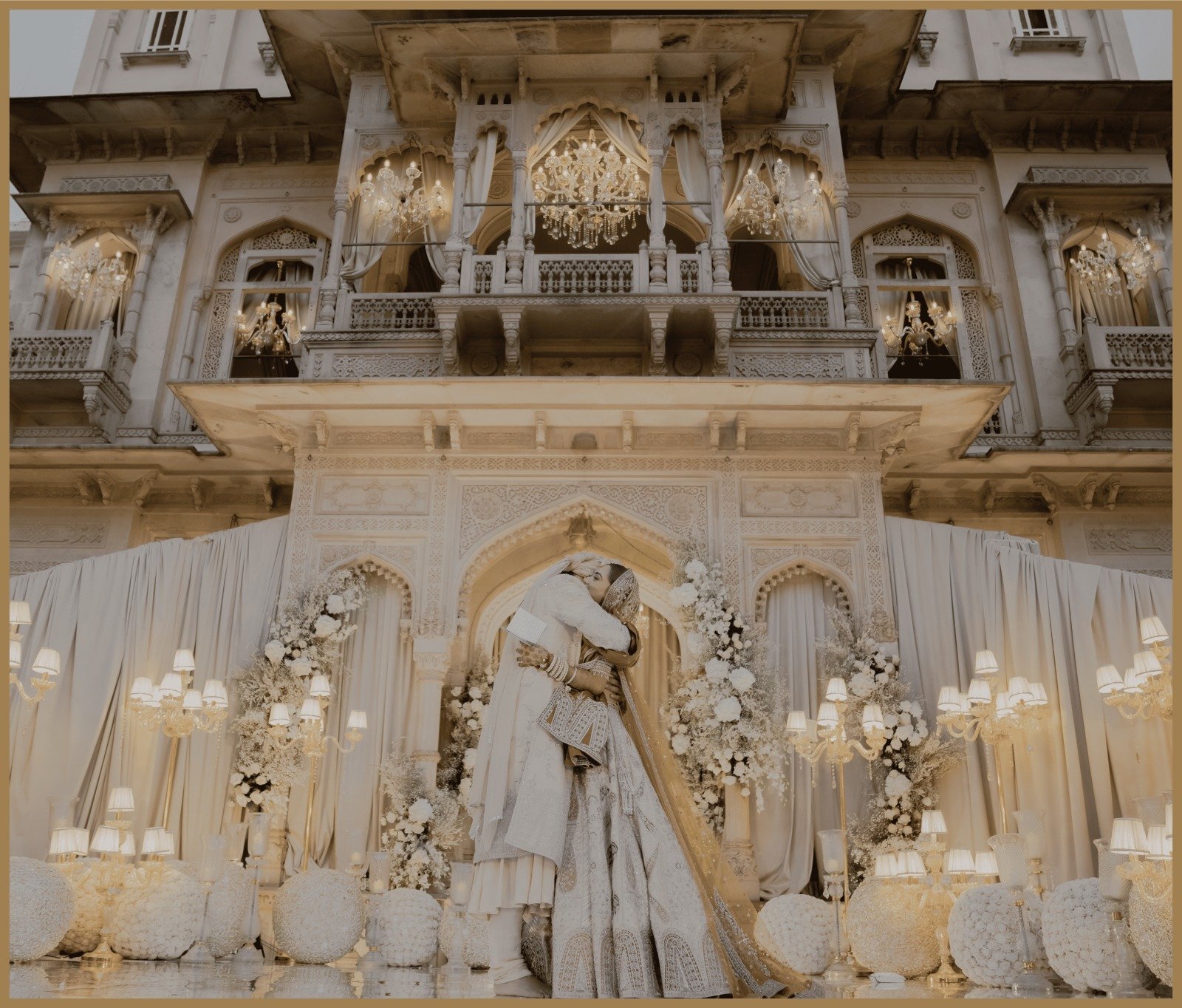
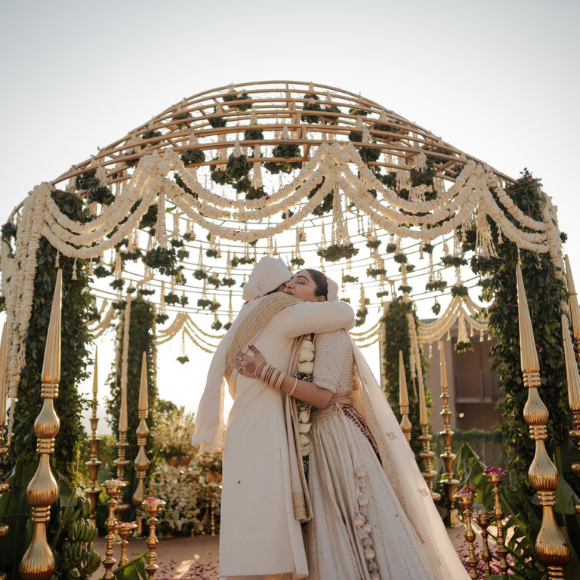
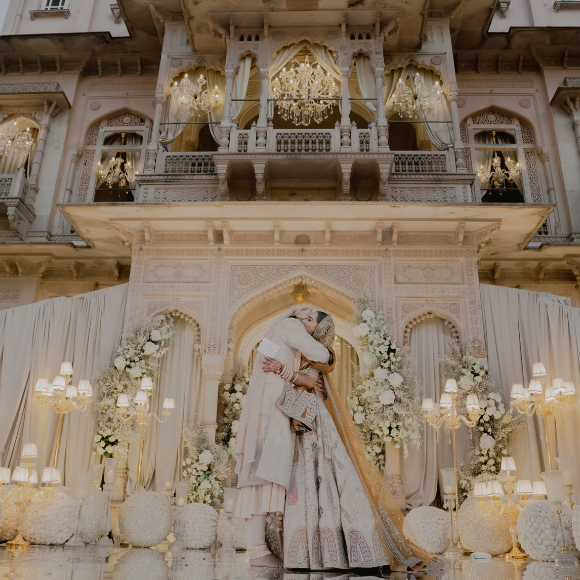
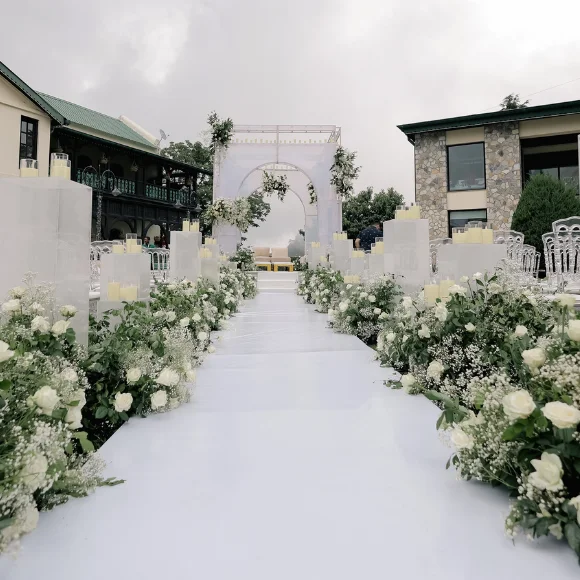
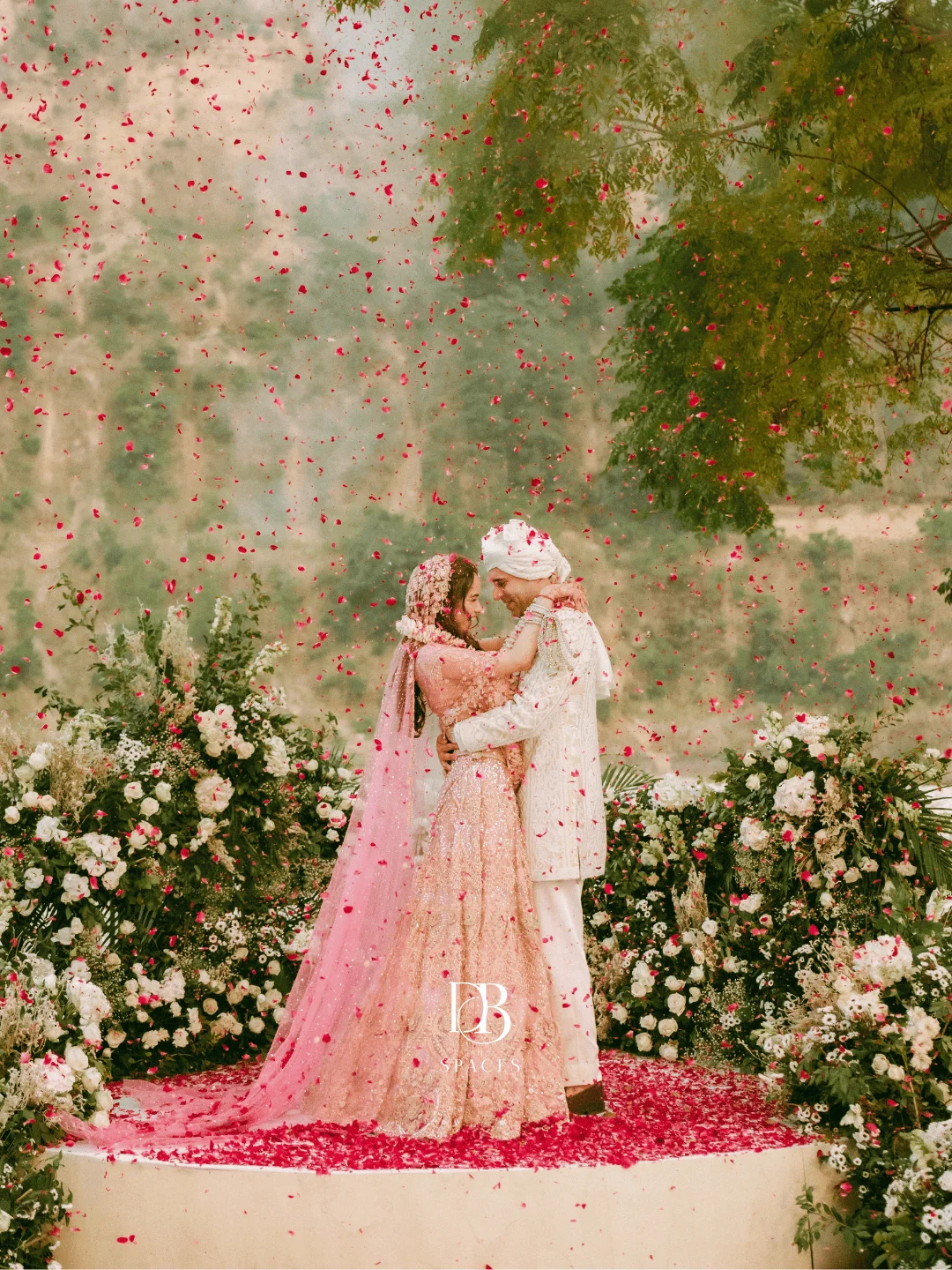
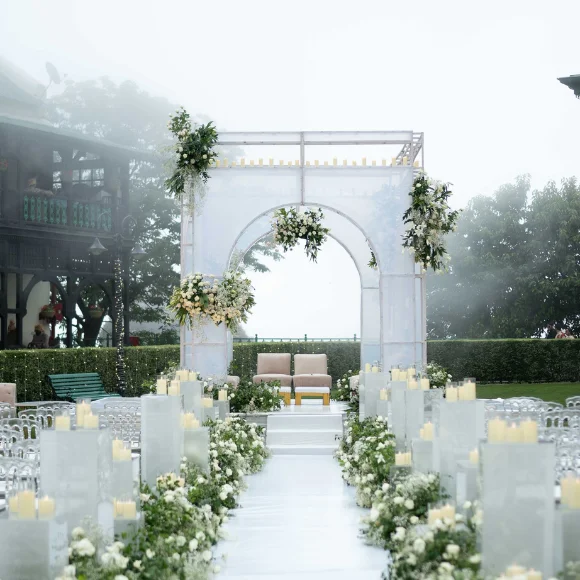
Negative space is the luxury. A minimalist mandap stands alone, surrounded by emptiness, allowing it to be fully seen. Filling that space with extra decor is what people instinctively want to do, and it’s exactly what ruins the look. Trust the emptiness.
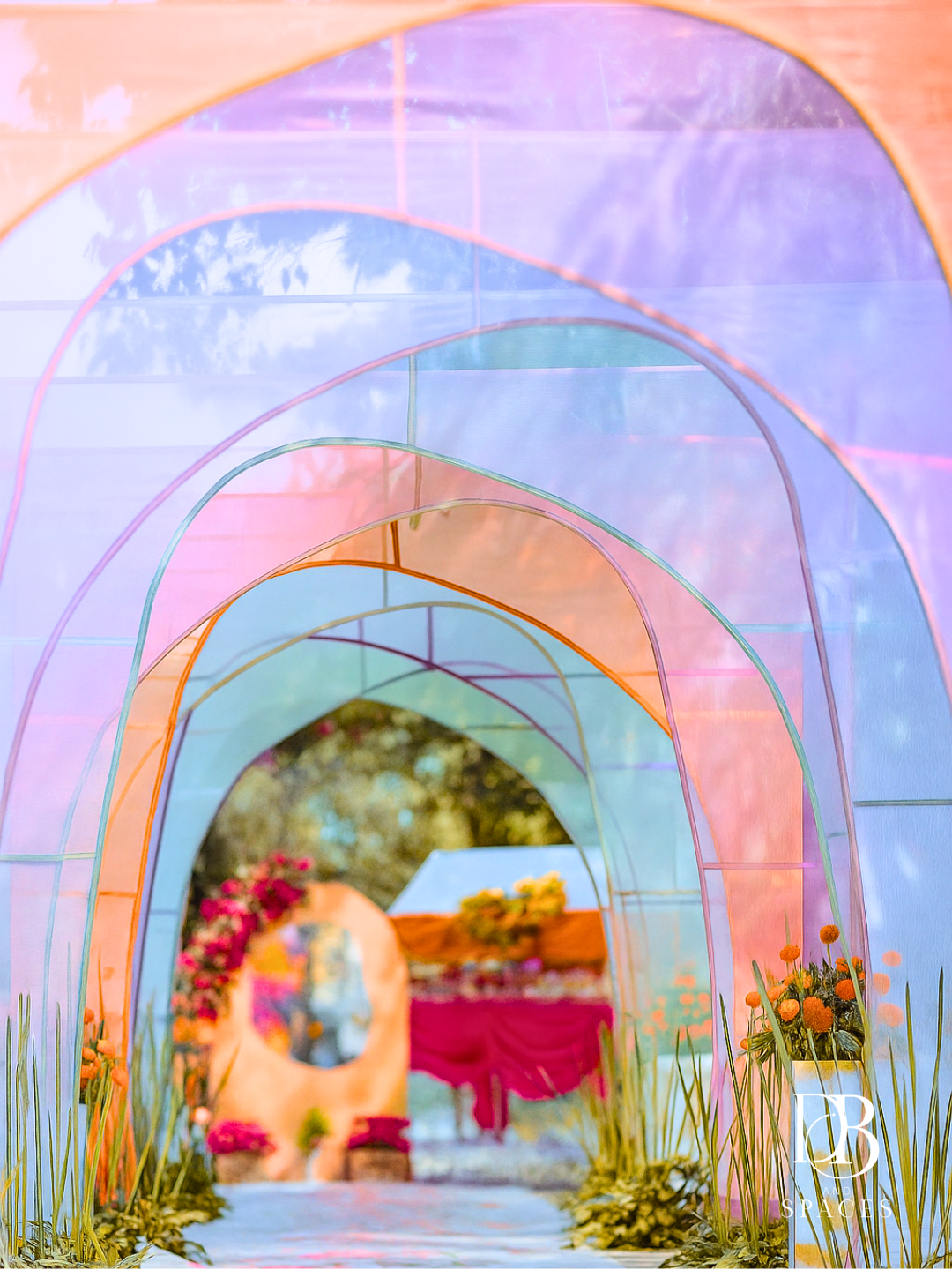
One statement, not ten small ones. Pick one decorative moment and let it be extraordinary. A single hanging floral installation. One sculptural mandap. A long uninterrupted floral runner down a banquet table. Build the entire visual experience around it, and let everything else stay quiet.
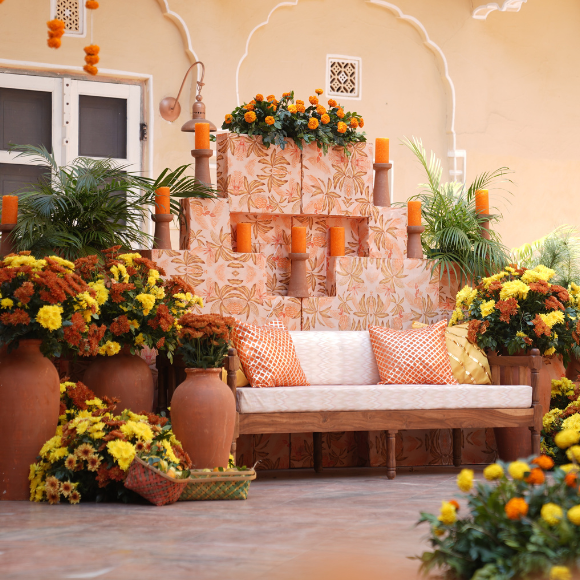
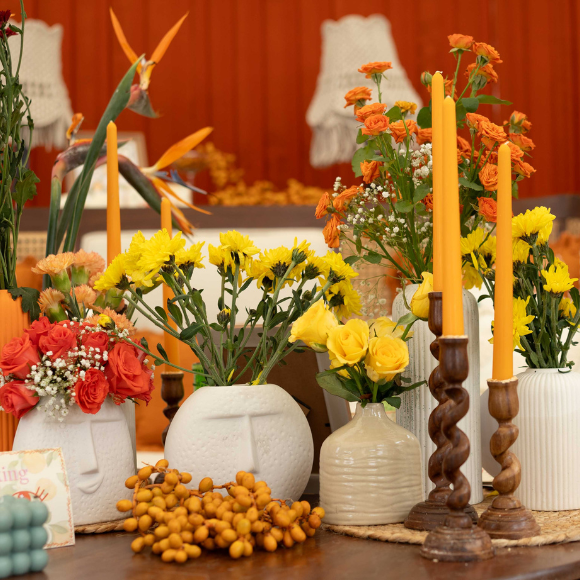
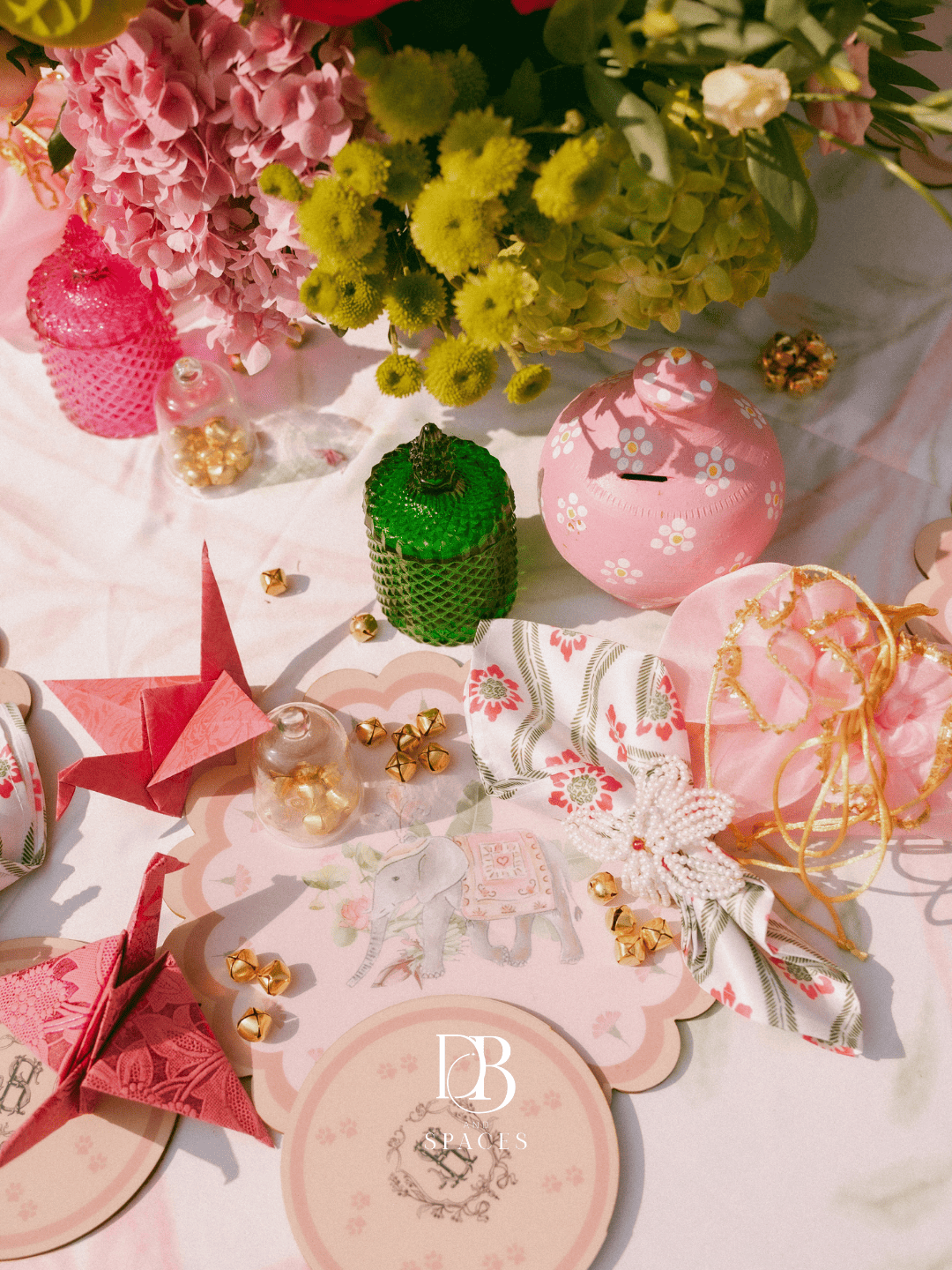
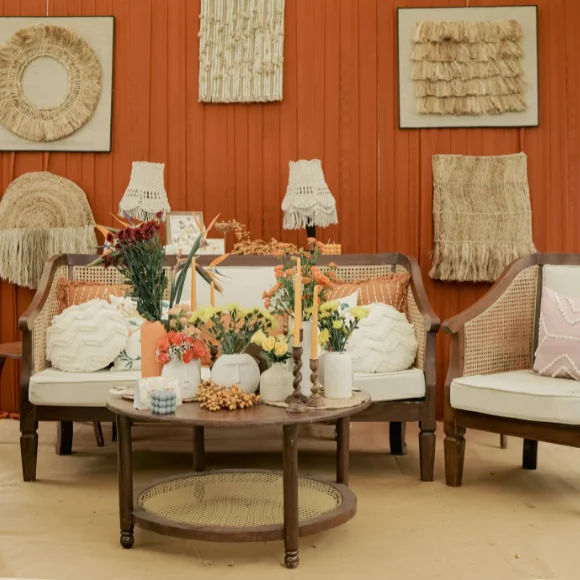
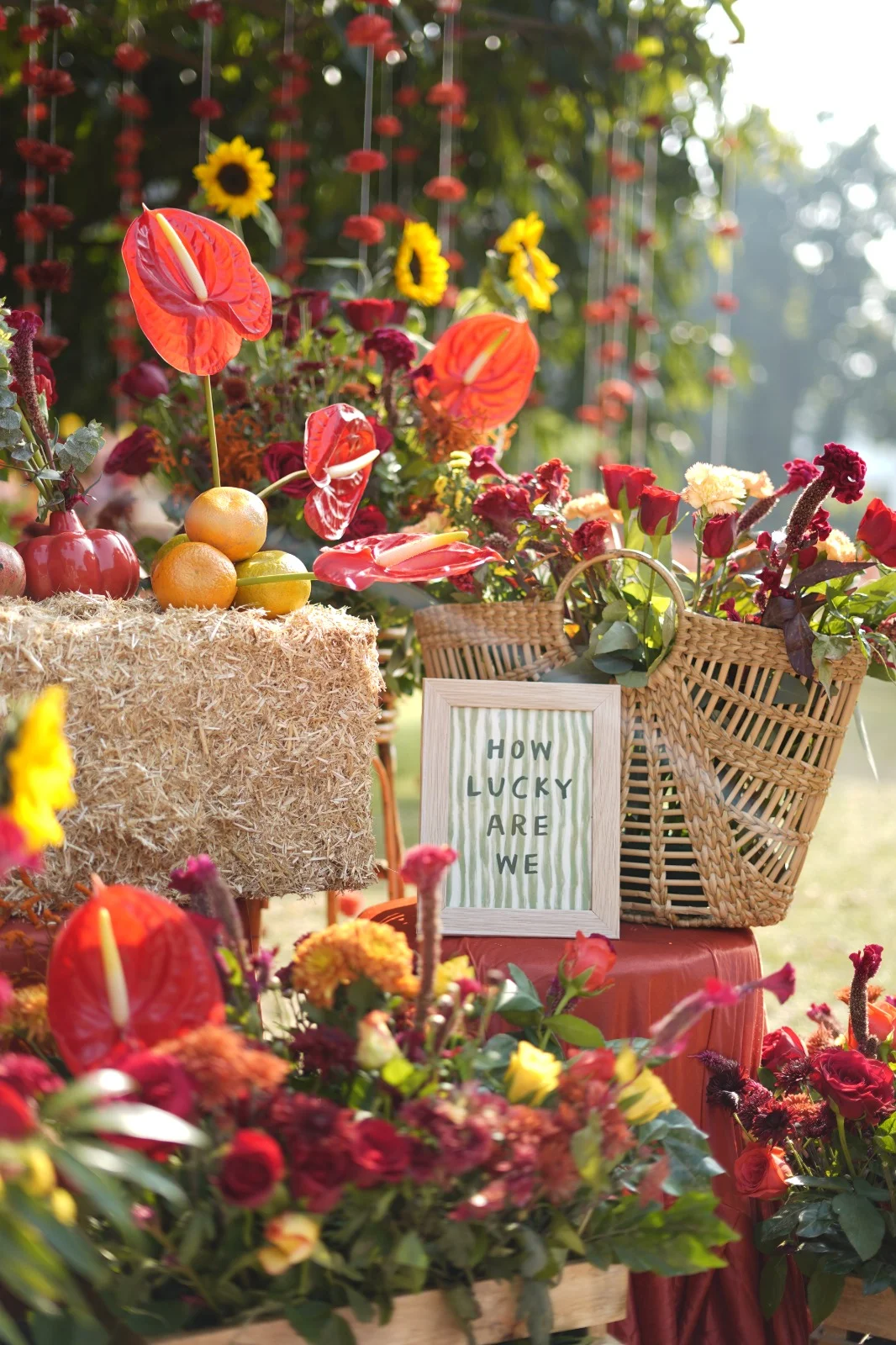
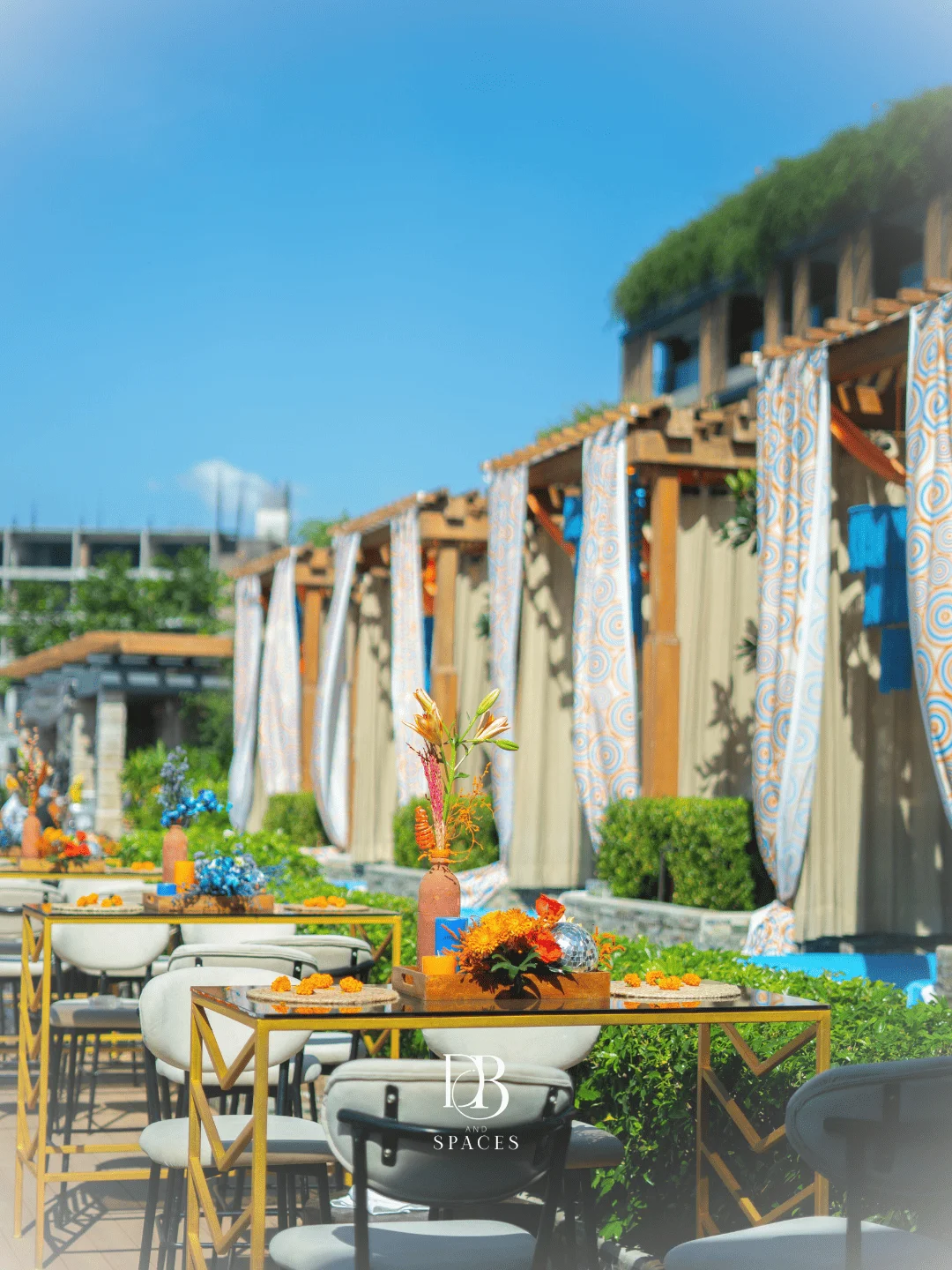
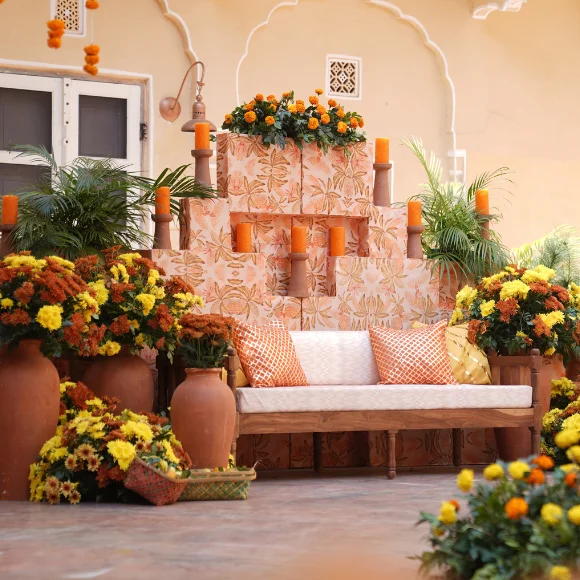
Material honesty is everything. Raw linen instead of synthetic satin. Brass and copper instead of plastic gold. Terracotta and unfinished wood instead of glittered surfaces. Real candles instead of LED ones. The textures of natural materials photograph beautifully and feel substantial without trying.
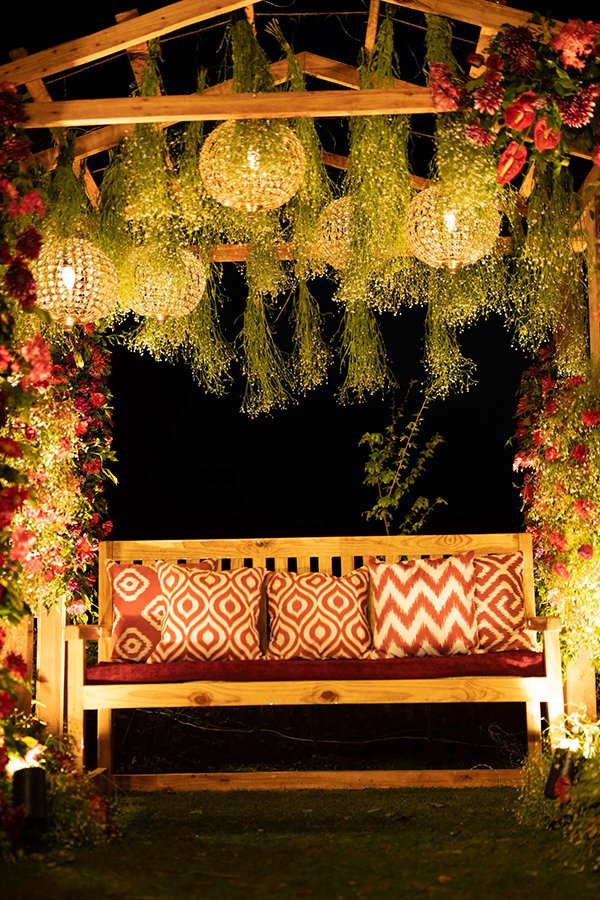
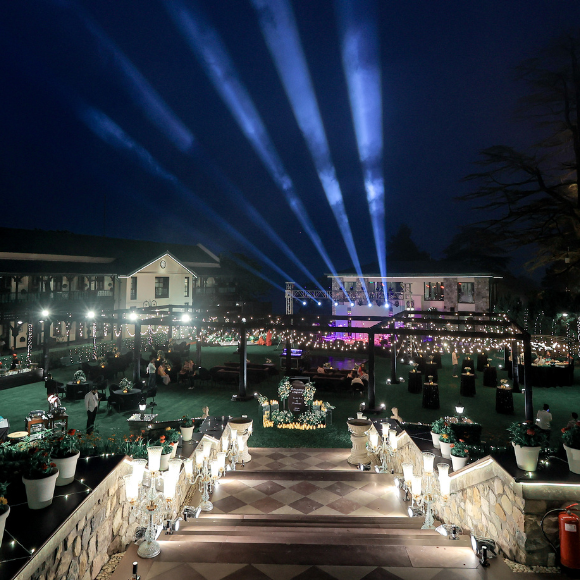
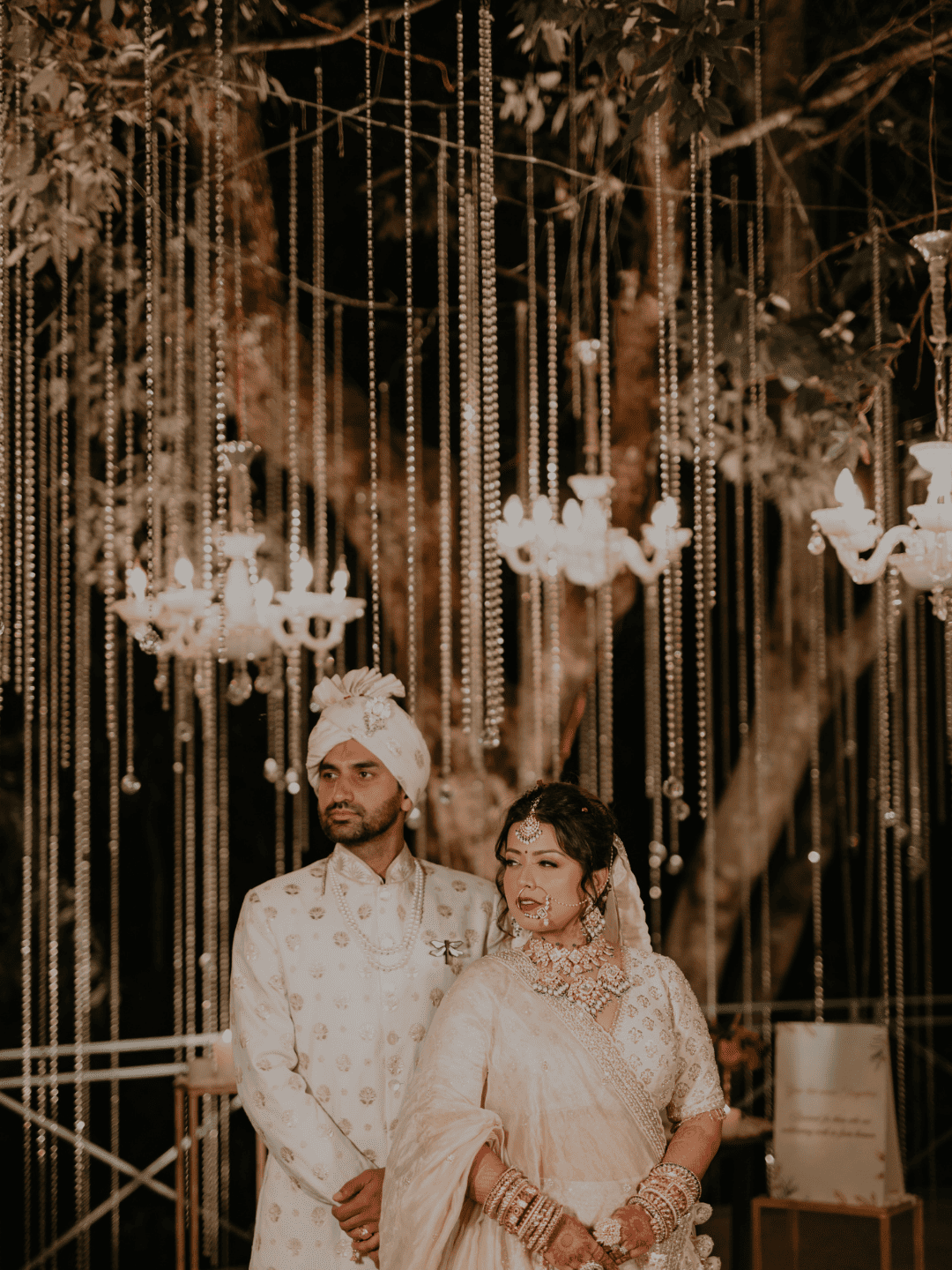
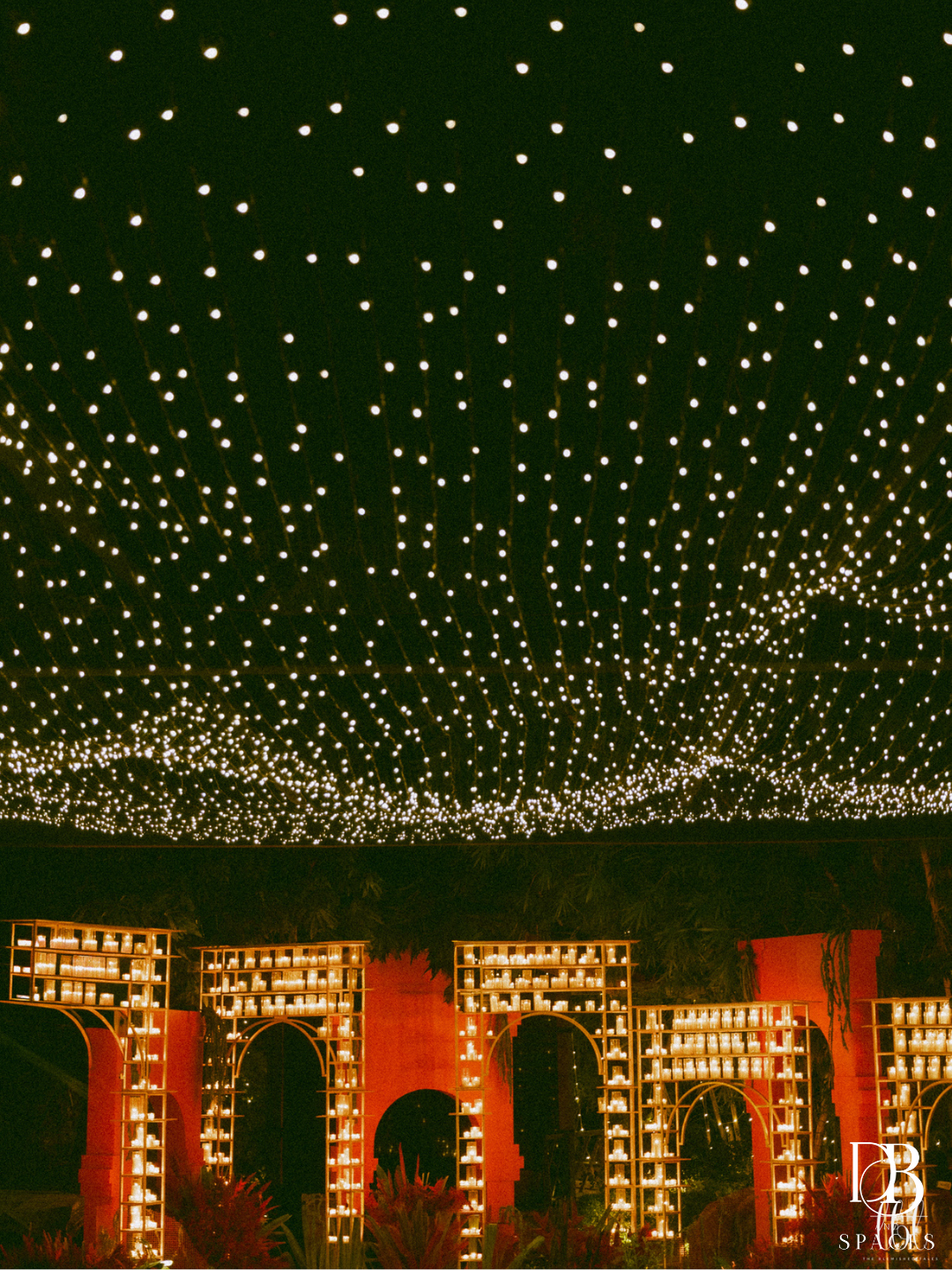
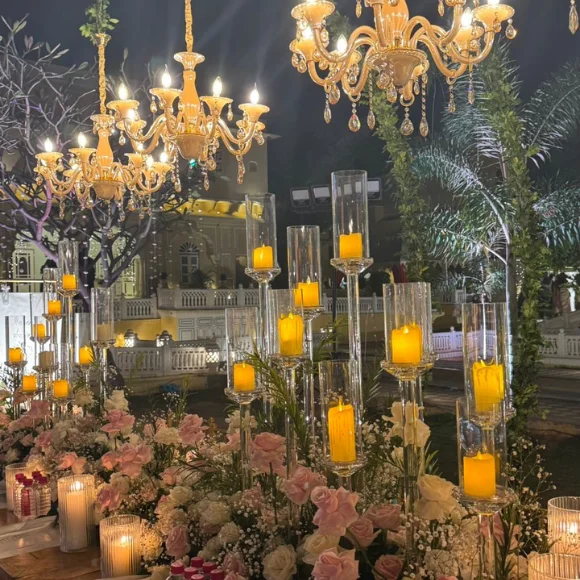
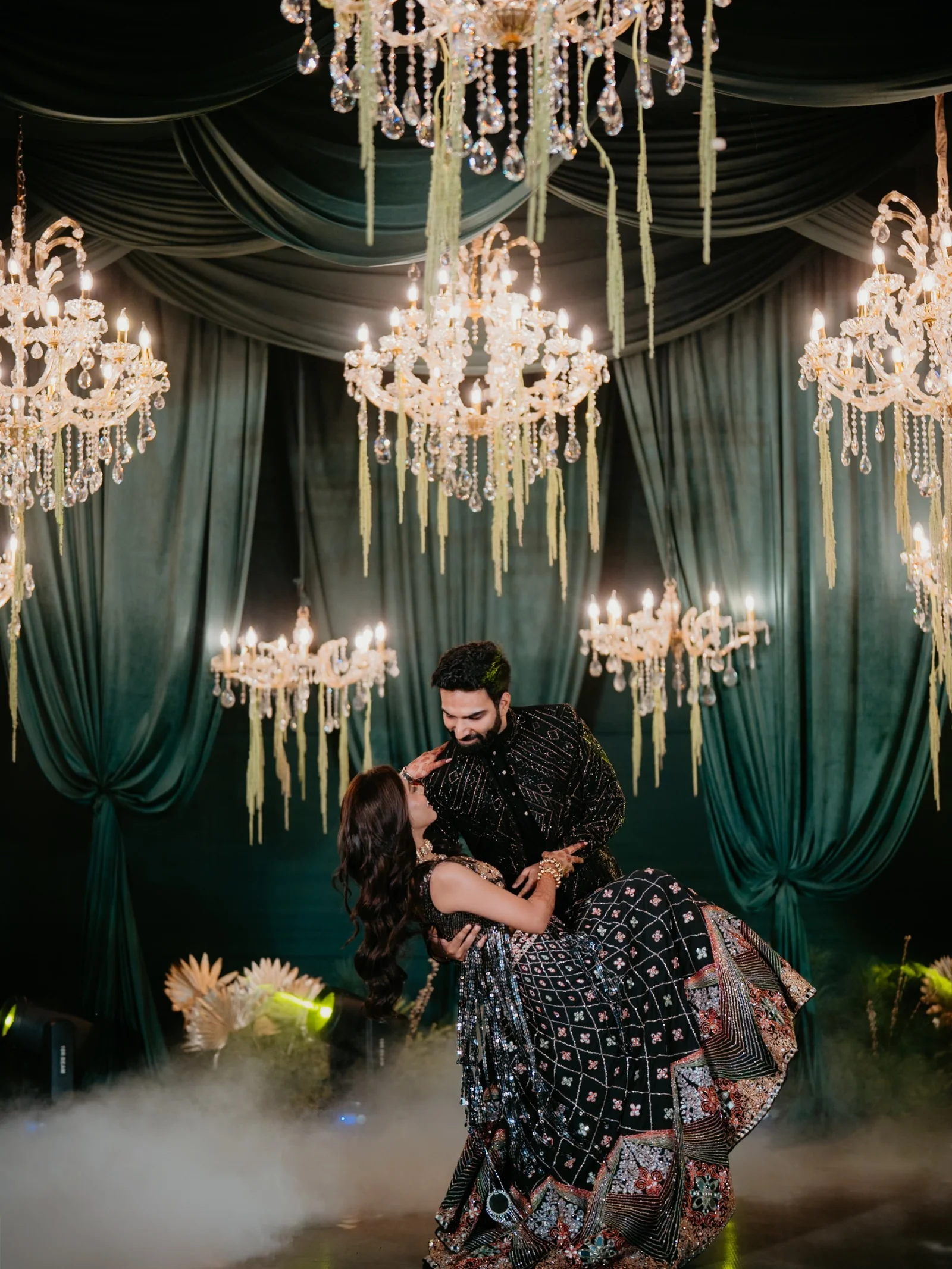
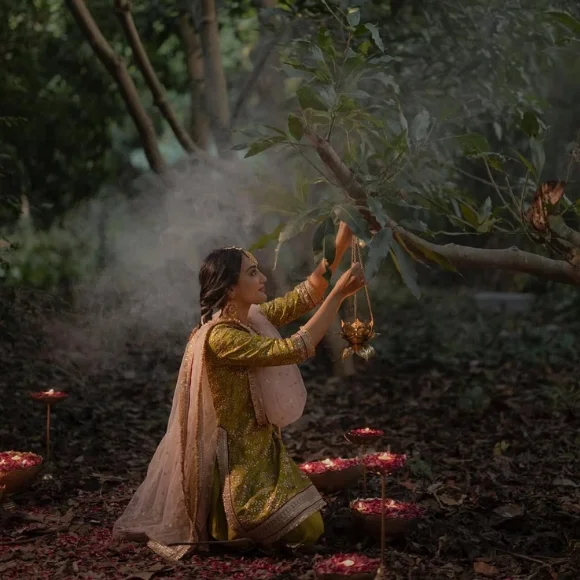
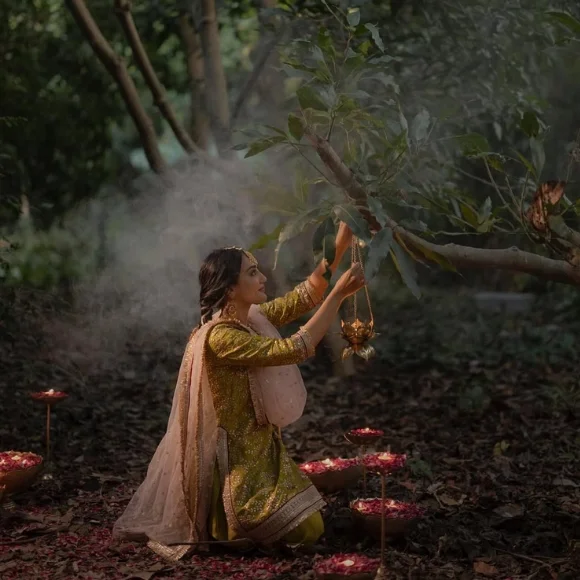
Light replaces décor. Where a traditional Indian wedding adds objects, a minimalist one adds light. Warm uplighters. Hanging filament bulbs. Hundreds of real diyas. A single chandelier of pure light over the mandap. The mood comes from how the space is lit, not what’s inside it.
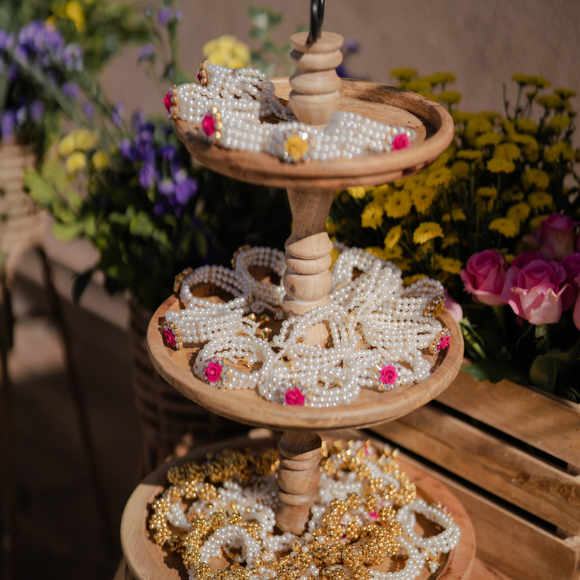
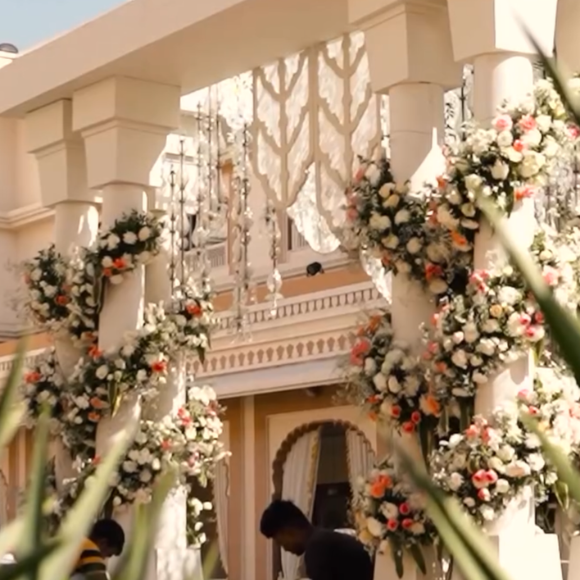
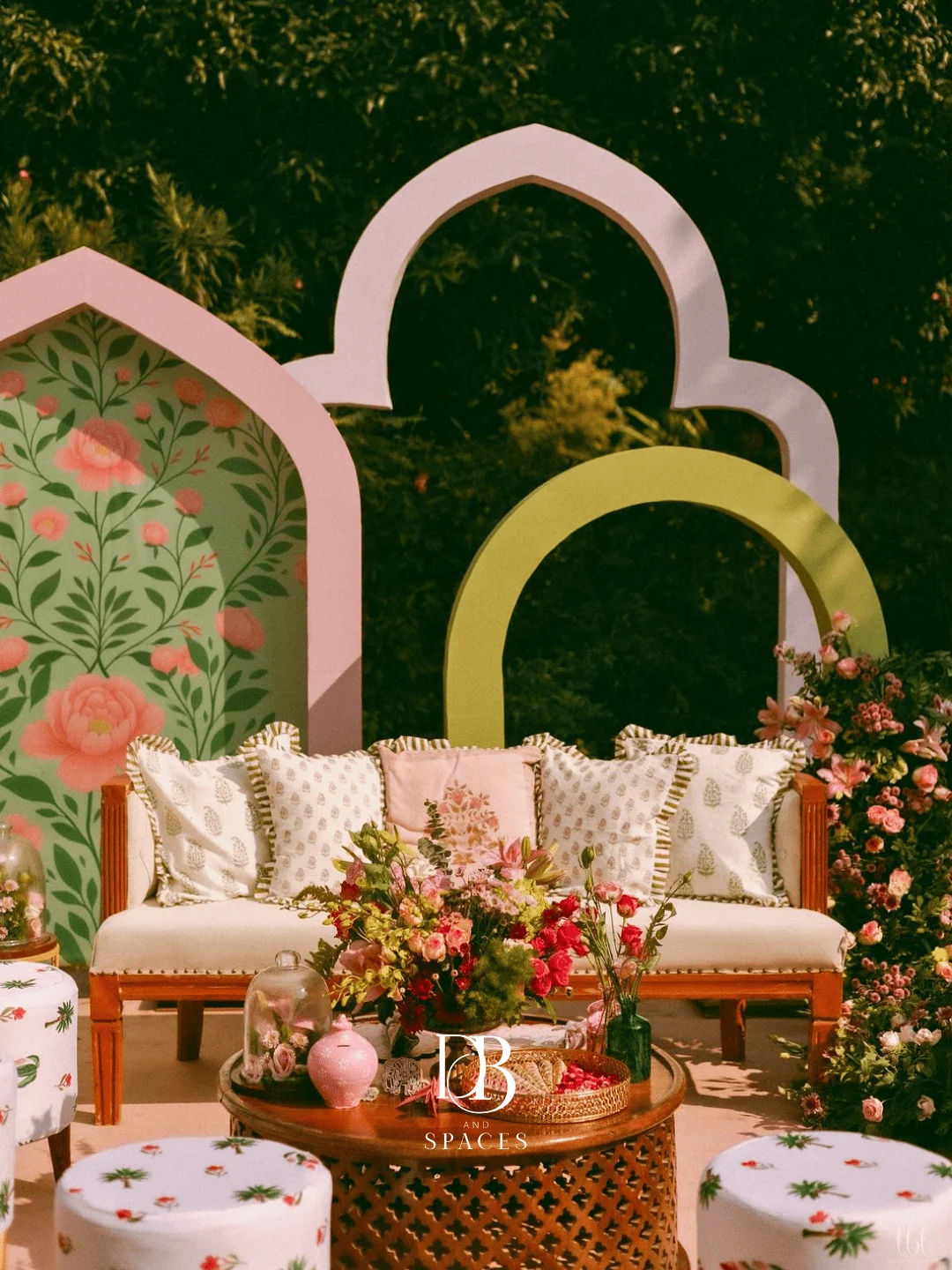
Florals in restraint, not absence. Minimalism doesn’t mean no flowers. It means flowers used differently. Single varieties instead of mixed bouquets. Stems standing tall in tall vases. Wild greens trailing down a long table. One bloom per place setting. Local, seasonal, and arranged with confidence rather than density.
This is the part of a minimalist Indian wedding that hits couples most powerfully. When you take the visual noise away, the ceremony itself becomes louder.
The seven rounds around the fire feel different when the fire isn’t fighting for attention with a forty foot floral backdrop. The varmala feels different when guests aren’t looking past the couple at the décor. The sindoor moment feels different when the eye has nowhere else to go.
Brief your priest to slow down. Brief your photographer to capture stillness rather than spectacle. Brief your guests to actually watch, not chat through it. The ceremony becomes the design.
If you’re saving on traditional décor, here’s where we recommend redirecting that budget.
Excellent food, beautifully presented. Plated meals or curated stations beat overflowing buffets every time.
A truly skilled photographer and cinematographer who understands quiet beauty. Not every photographer can shoot a minimalist wedding well. Look for one whose existing work has the same restraint you want.
A serious lighting designer. We cannot say this enough. The entire mood of a minimalist wedding lives or dies on the lighting.
A live musician for the ceremony. A flautist, a sitarist, a vocalist. Live music in a quiet, restrained setting is one of the most beautiful things a wedding can offer.
Comfortable, intentional seating. Not packed rows, but spaced and styled chairs that look as good as they feel.
A few traps we actively help couples avoid.
Confusing minimalism with bareness. A wedding with nothing in it isn’t minimalist, it’s unfinished. The difference is intention.
Forgetting cultural touchpoints. A minimalist Indian wedding still needs to feel Indian. The marigold is there, just used differently. The diya is there, just placed thoughtfully. Strip away the warmth of culture and you end up with a sterile event that satisfies nobody.
Underestimating the family conversation. Older generations often hear minimalist and assume small, cheap, or somehow disrespectful. Have the conversation with parents early. Show them references. Help them understand that less can be more powerful, not less significant.
Trying to do it without an experienced team. Maximalism is forgiving. Minimalism is exposing. The vendors you choose, especially the designer and photographer, need to genuinely understand the aesthetic. A maximalist decorator forced to do minimalism will simply do less of the same thing, and the result will feel cheap rather than refined.
We love minimalist weddings because they bring the focus back to what weddings were always meant to be about. Two people. Their families. A few rituals that have lasted thousands of years. And a room that holds all of it gently, beautifully, and without competing for attention.
If you’ve been quietly wondering whether you can plan a wedding that feels different from the ones you’ve been attending all your life, the answer is yes. You just need a team that knows how to make less feel like more.
Come tell us what you’re imagining. We’ll help you build a wedding where the people are the décor and the moments are the design.
DB and Spaces. Less, but more.
Recent Post
Any Query? Reach Us
Follow our latest stories.



 (1).webp "https://dbandspaces.com/storage/blogs/1792063061-compressed_DB Spaces Blog Cover (Sept) (1).webp")